
Photographer Aida Namukose captures the intergenerational stories of three women who rely on Lake Victoria in Jinja, Uganda for their livelihoods.
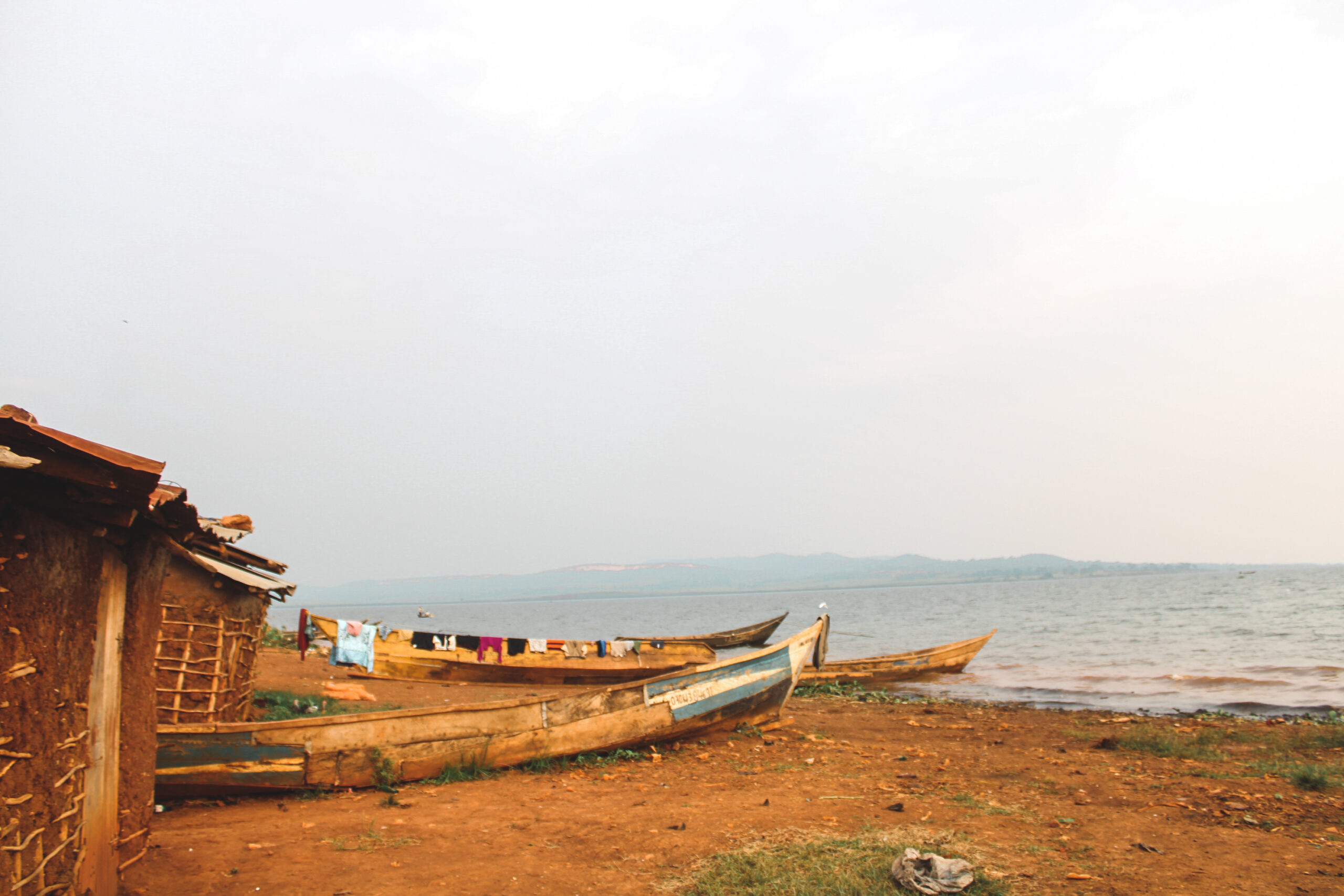
Nalubale Village is a small informal fishing village on the shores of Lake Victoria, less than 10km from central Jinja in Eastern Uganda. The humble settlement has little more than 30 homes, two shops, and a mobile money stand. As with other lakeside fishing villages in Uganda, it was formed slowly as families moved from rural areas closer to the outskirts of Jinja in order to make a better living. The homes are mostly semi-permanent, made from mud and sticks. Children run around barefooted, playing by the lake or fetching water.
Nalubale
Lake Victoria is the largest lake in Africa, and it has an estimated 30 million people living on its shores, trying to make a living. But the ability to do so dwindles as time goes by and climate change continues to be a growing problem in Uganda’s urban areas.
Fishing is typically done either early in the morning or after the sun has gone down, as this is when the fish feed and swim closer to the surface. The most common fish that come out of
the lake are the Nile Perch and Tilapia. The population of both are fast declining, however. Competition from Chinese fishing companies as well as changes in the weather and landscape have caused the Ugandan government to impose strict regulations on where, how and by whom fishing can take place.
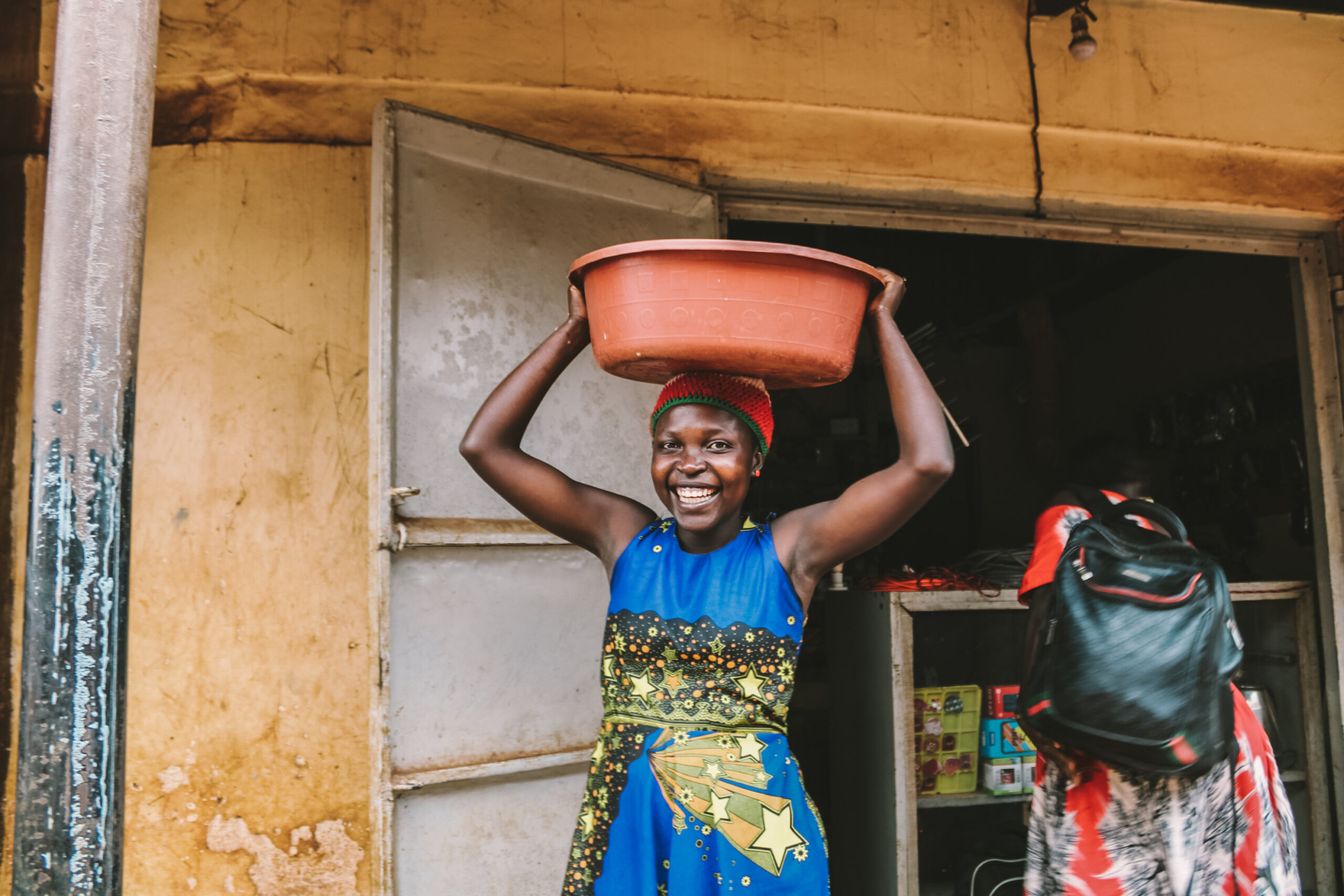
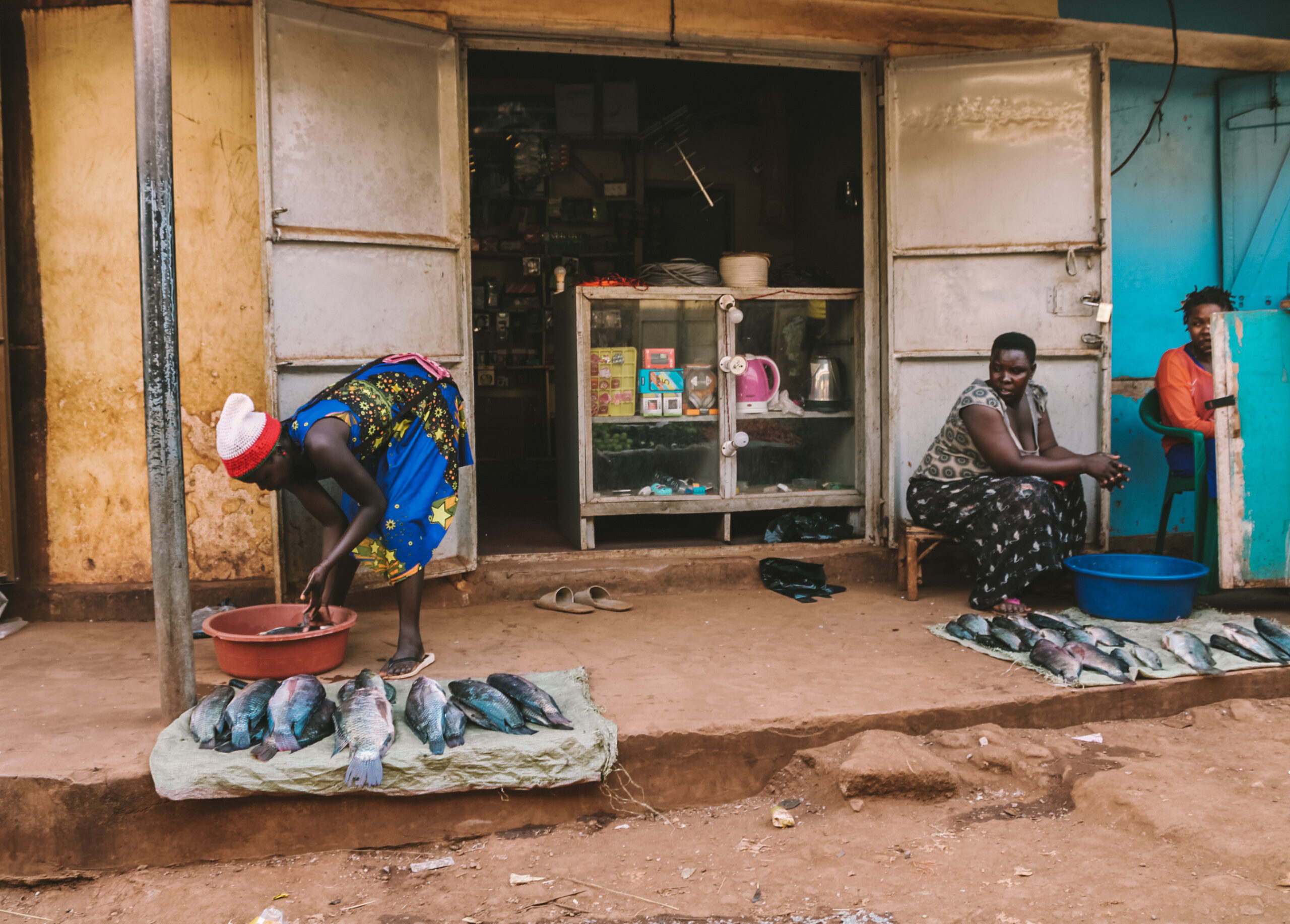
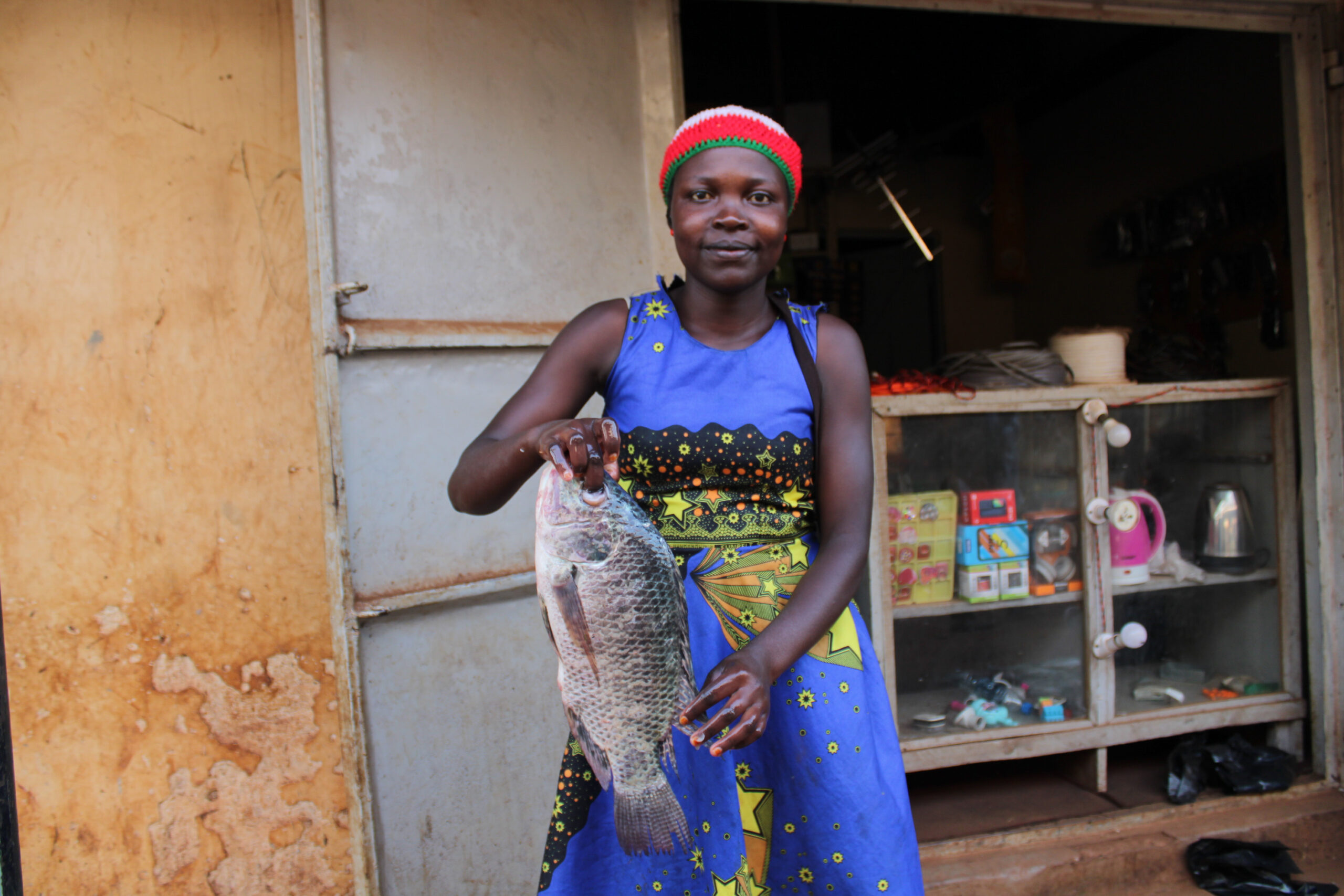
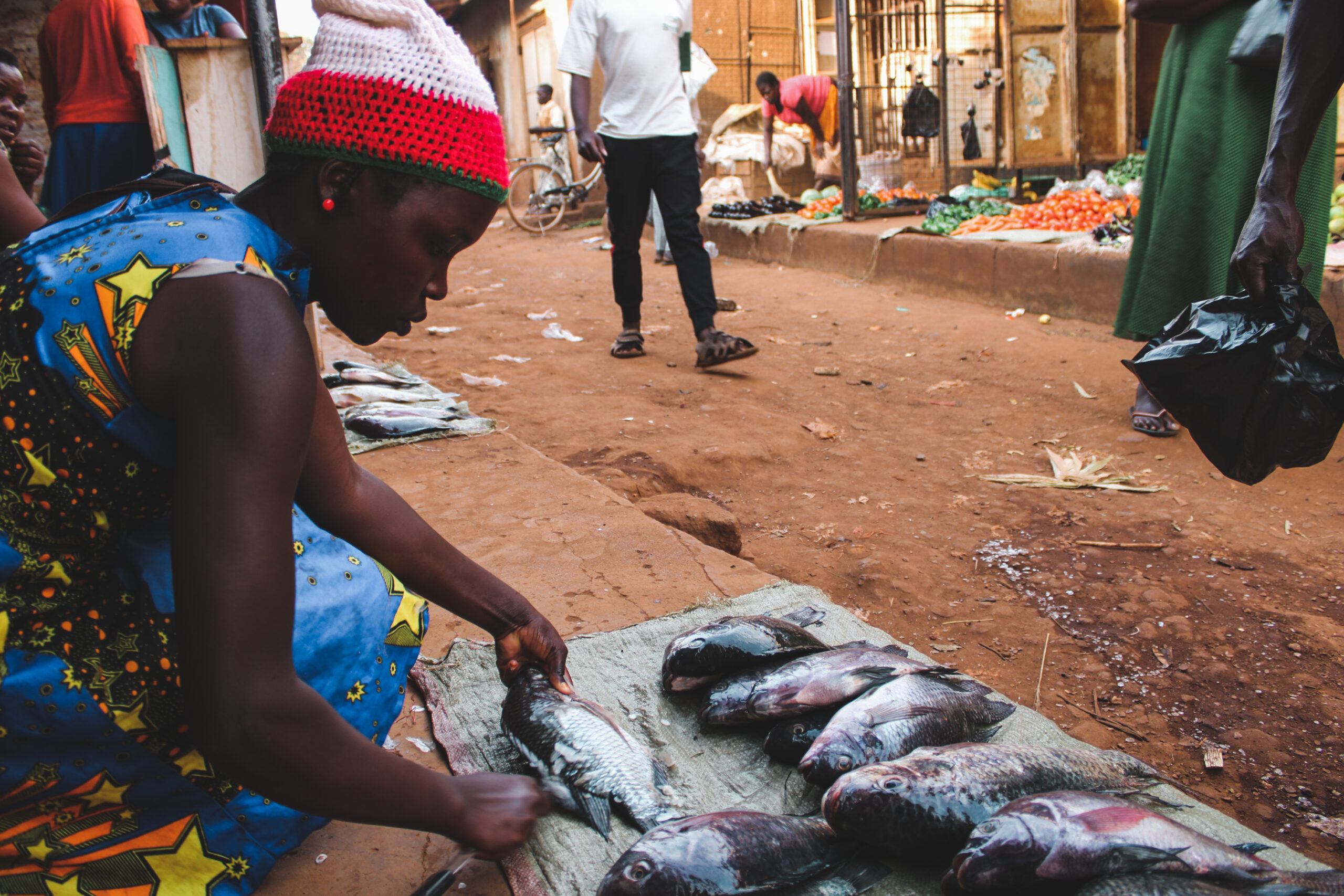
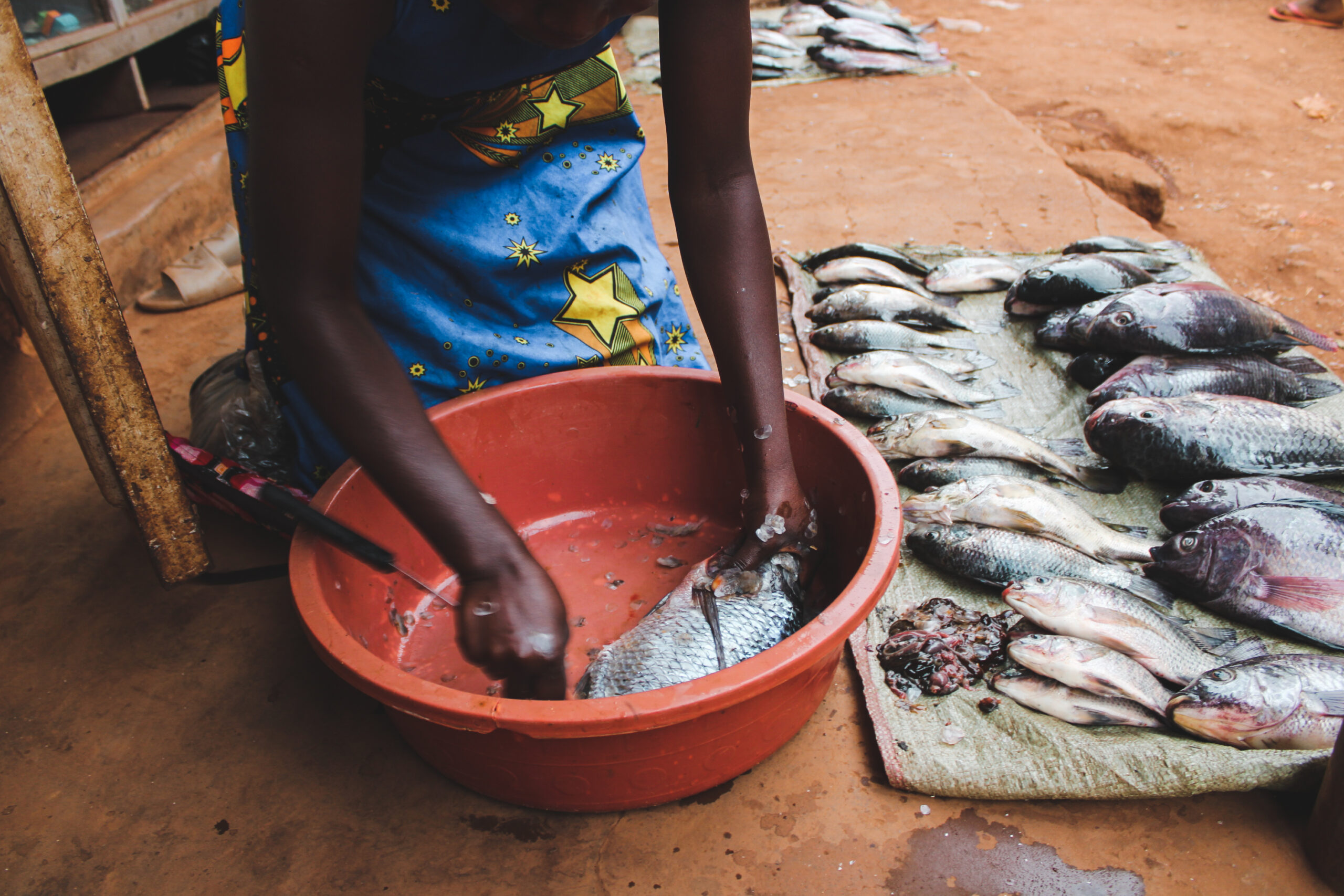
In early January 20202, I spent an evening with Grace, a 23-year-old fishmonger from the village of Nalubale. She has been in this trade for three years, buying fish from the fishermen and taking these to the nearest market to sell. The market is located in Bugembe is a town council located approximately 7 km from the centre of Jinja City. It is a bustling town with its own market and economy as well being the residence for workers in nearby Jinja. “Selling fish is what everyone around me (in Nalubale) does, it was the easiest job I could think of in order to be able to feed my child,” Grace says of her profession.
Grace buys the fish from the fishermen very early in the morning, when they have a fresh catch. She buys consistently from a few fishermen who know her, but the price has been increasing steadily over the past three years as fish disappear and the military becomes stricter.
When I asked Grace about climate change, what she knows about it and its role in the scarcity of fish, she talked about her own observations and experience on the matter: “The environment is definitely changing, I have seen it in my short life already and the few years I’ve spent living and working by the lake. The sun is getting hotter, January sun wasn’t hot and relentless like this. The rainy season is getting shorter, and it’s like the lake is drying up. Things are definitely not how they used to be before”.
Asked how this changing landscape affects her career, choices for work, and a place to live, Grace says: “Yes, eventually I will have to find something else to do in order to make enough money. The competition for fish is too high and now companies are taking over the market. There’s no space for people like us and customers don’t understand when we tell them why prices are rising”. She continues: “I’m lucky I live near town, and now Jinja has become a city. Maybe I can find work there”.
Lake Victoria continues to be an invaluable resource, source of livelihood and transport for many people in East Africa. The changing landscape and availability of natural resources may push even more people to migrate towards urban areas for employment, which brings about its own challenges. Women like Grace and their families are some of the many victims of the impact of climate change on the lake. It is an issue that affects urban dwellers more than we often think about.