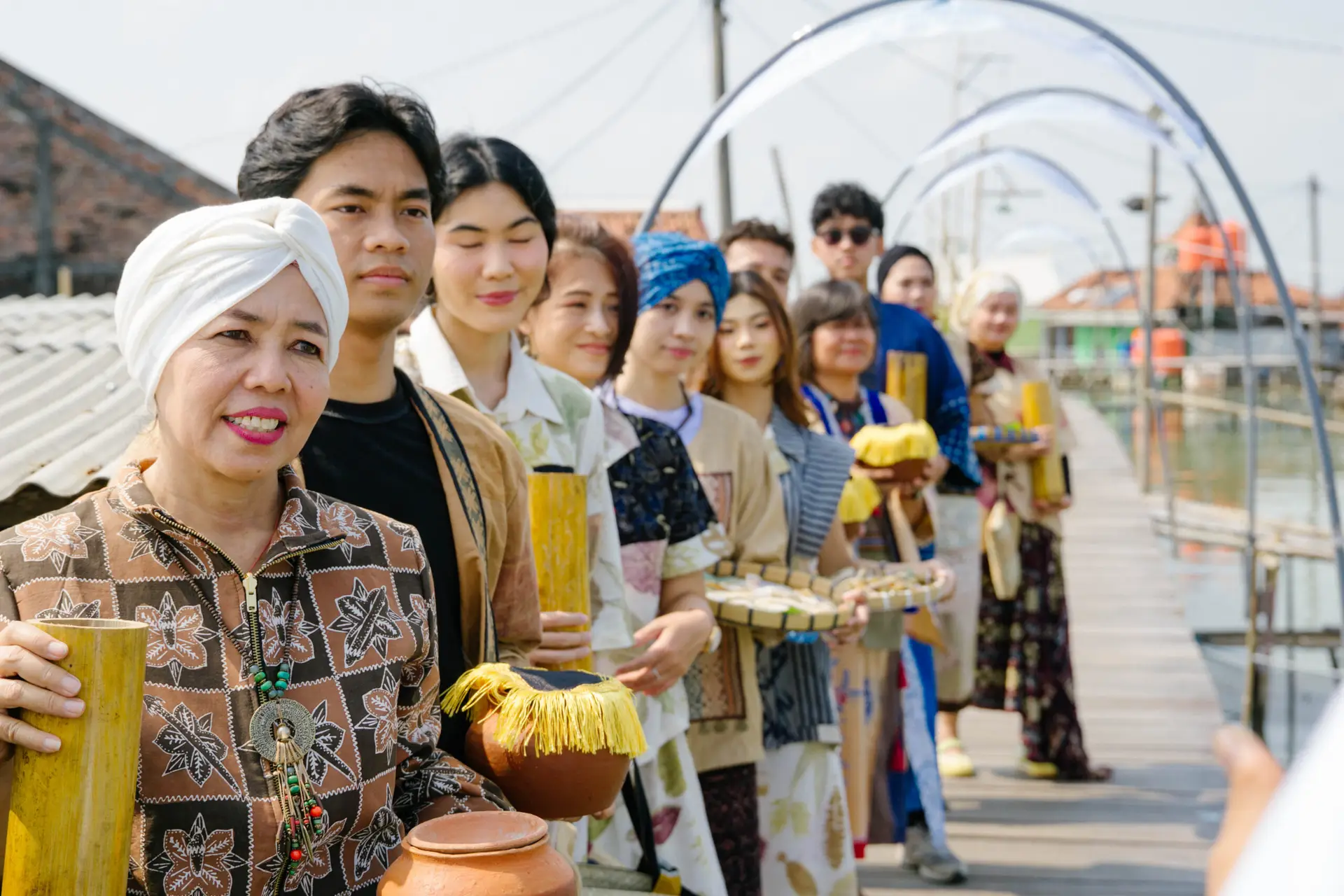
Coastal Women Caring for (Mother) Earth and Sea Festival

Image credit: Daffa/Demak Berdikari (2026).

Coastal Women Caring for (Mother) Earth and Sea Festival

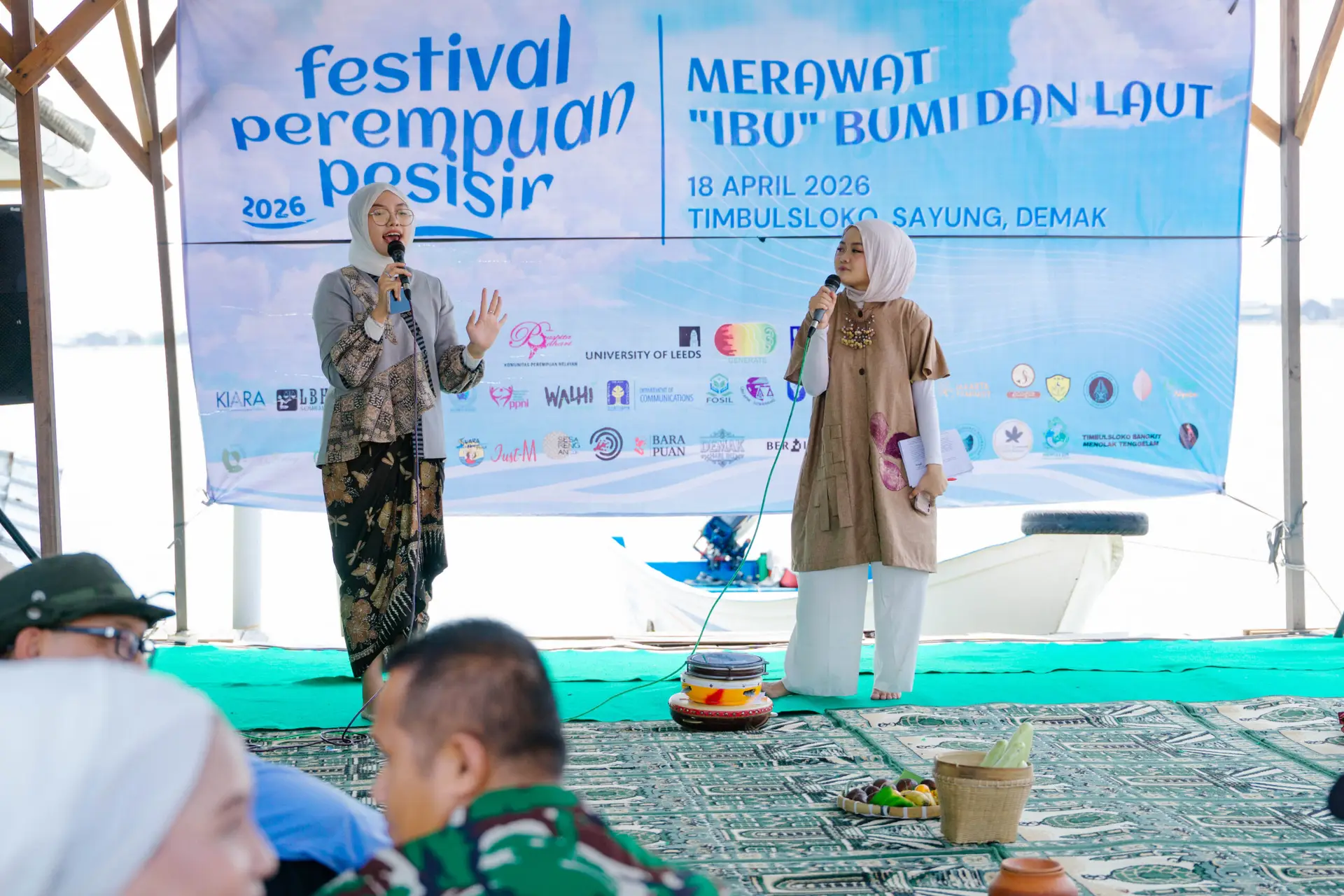
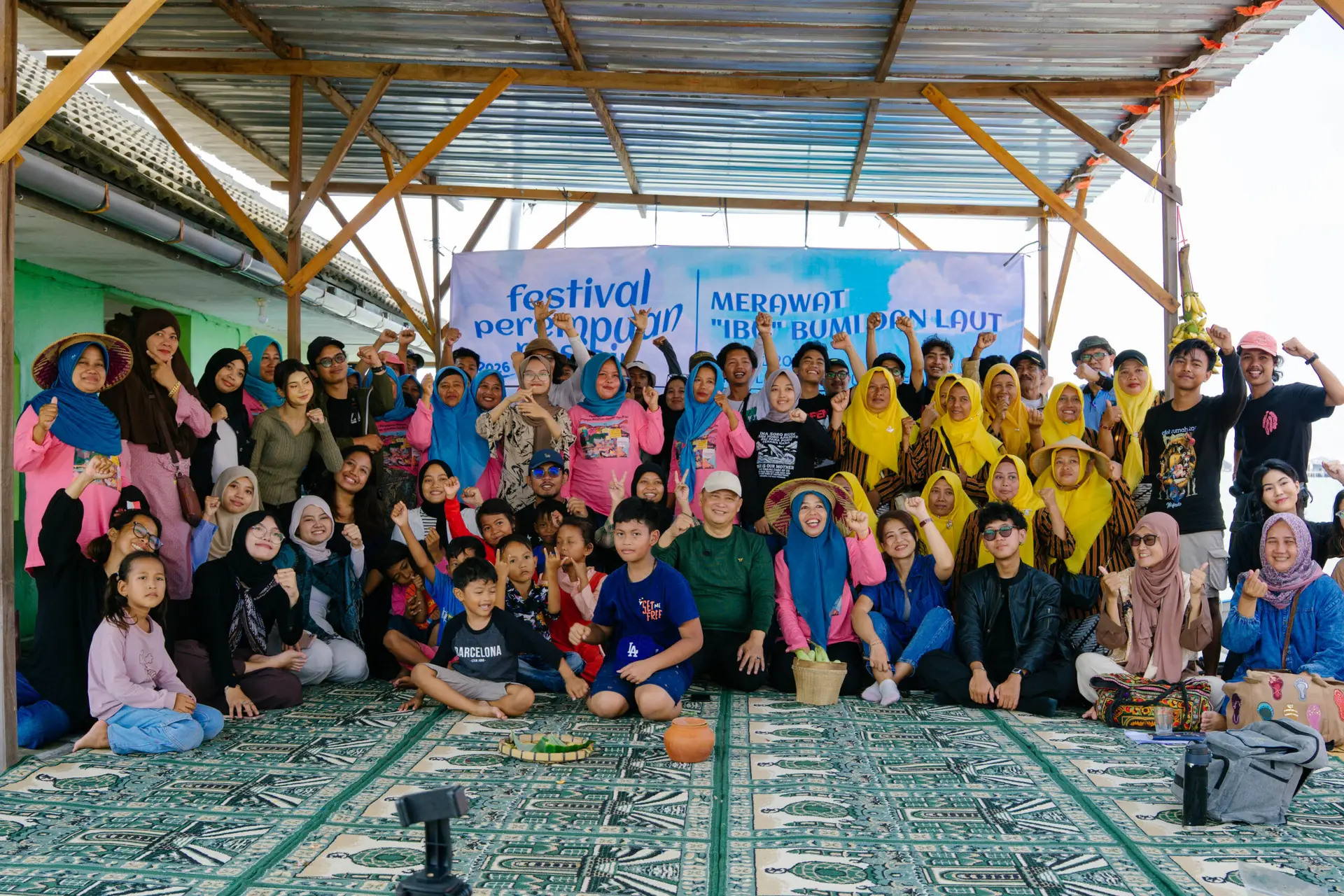
On 18 April 2026, more than 150 people gathered in the sunken village of Timbulsloko, Demak Regency, Indonesia, for the Festival “Perempuan Pesisir Merawat (Ibu) Bumi dan Laut”  or “Coastal Women Caring for (Mother) Earth and Sea”. Organised by Puspita Bahari, a fisherwomen’s movement, the event combined fashion, cultural practice, dance and climate justice dialogue to highlight grassroots women’s leadership in addressing climate change, gender inequalities, and coastal environmental crises. The Festival was supported by Katie McQuaid and Andi Misbahul Pratiwi from the UKRI-funded GENERATE project at the University of Leeds.

The Festival was held in collaboration with more than 30 organisations and community groups, including Koalisi Rakyat untuk Keadilan Perikanan (KIARA), Persaudaraan Perempuan Nelayan Indonesia (PPNI), Komunitas EMPU Sustainable Fashion (EMPU), Indonesian Legal Resource Center (ILRC), Jakarta Feminist, LBH Semarang, BARAPUAN, LBH APIK Semarang, U-INSPIRE, Walhi Jateng, Forum Demak Hijau (FDH), FOSIL Demak, Demak Berdikari, Demak Hari ini, Aliansi Demak Menggugat (ADEM ), Timbulsoko Bangkit, Suara Ibu Peduli, Mother Bank, Ruang Studi Gladak, Harapan Mandiri Disabilitas (HMD), Pasar Ngabei, Indonesia Brand Activits Network (IBAN), Omah Petruk, Zie Batik Semarang, Mlati Wangi, Lusi Tjan, Collabox Creative Hub, Departemen Ilmu Komunikasi Universitas Islam Indonesia, World Forum of Fisher Peoples (WFFP), and World March of Women (WMW) Indonesia.

Responding to polycrises

Founded in 2005, Puspita Bahari has long advocated for the rights of women in fishing communities across Demak’s coastal region. In the last decade, communities in the area have experienced worsening tidal flooding, land subsidence, sea-level rise, and the impacts of uneven coastal development.

Based on report data and accompaniment records from Puspita Bahari, there were 19 cases of gender-based violence (GBV) documented in Demak between 2023 and 2025. Economic neglect and psychological violence were the most common forms, often occurring together. Many survivors experienced multiple forms of violence, highlighting the layered nature of GBV in climate-affected coastal areas. At the same time, survivors face significant barriers in accessing safe houses and reporting cases, as tidal flooding disrupts mobility, limits access to services, and intensifies vulnerability.
“Women in coastal areas face many challenges. They are responsible for caring for children, grandchildren, and managing the household, which creates a double burden, especially when combined with environmental impacts. During tidal flooding, everyday domestic tasks become much more difficult, such as bathing, cooking, and washing clothes and dishes.”

“Women in coastal areas are also vulnerable to sexual violence and domestic abuse. When problems arise, especially economic difficulties, women are often the ones who bear the burden. In many cases, Puspita Bahari also supports the handling of these situations.”

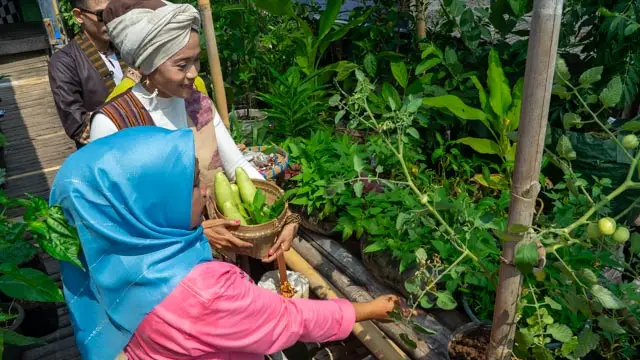
Image credit: Dayu/Ruang Studi Gladak (2026). Climate Resilient Food Garden in Timbulsloko.

Puspita Bahari has developed a range of community-based initiatives, including:

  • advocating for official recognition of women fishers and access to social protection

  • building cooperatives and developing and diversifying coastal food products

  • producing and distributing reusable cloth menstrual pads

  • mangrove nurseries to support coastal ecosystems and livelihoods

  • waste banks and food resilience gardens

  • supporting survivors of gender-based violence.


These integrated initiatives show that climate adaptation is not only about infrastructure or technical solutions, but also about justice, care, livelihoods, and dignity.

A festival of resistance, resilience, and dialogue

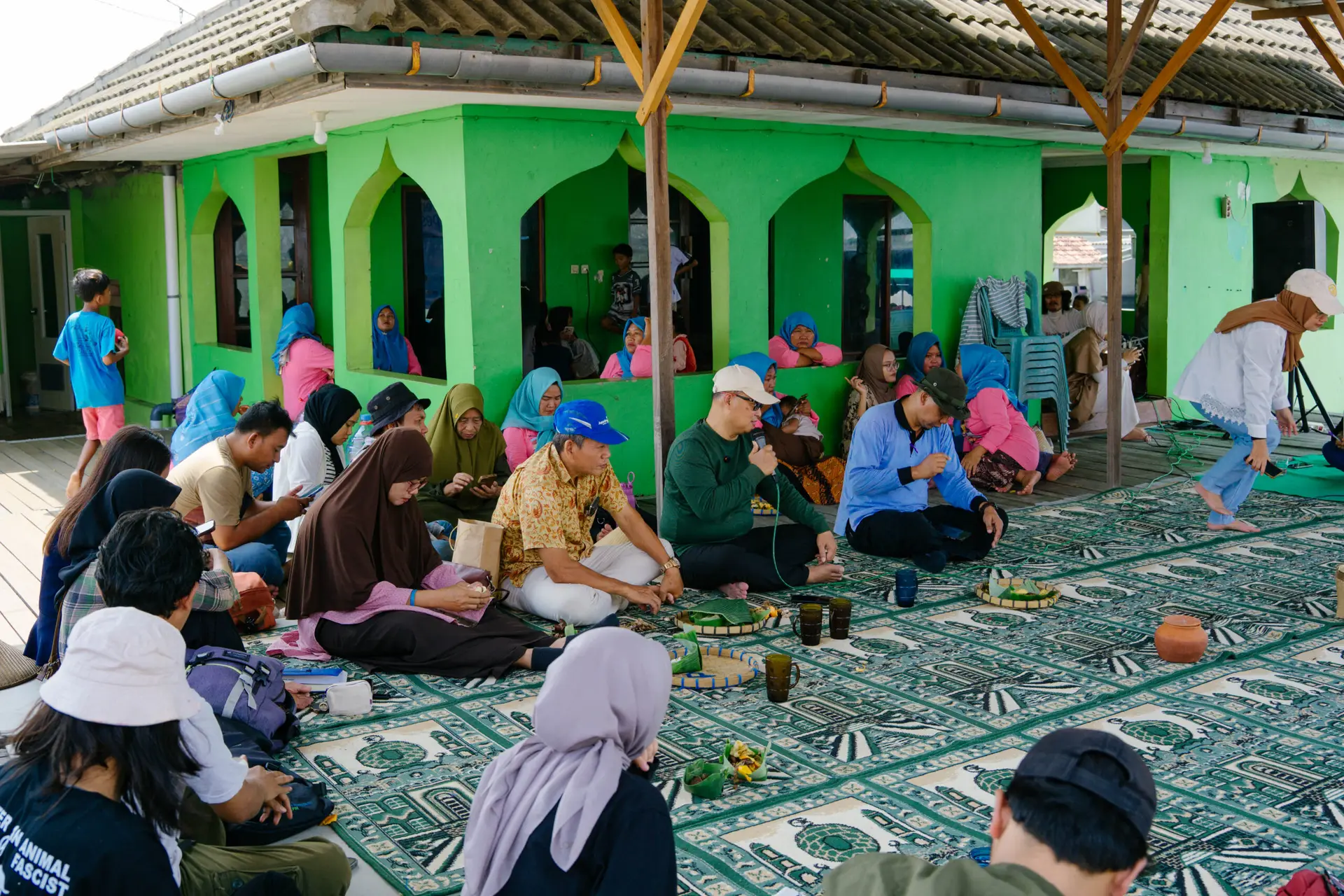
Held in Timbulsloko, a village heavily affected by tidal flooding, the Festival combined environmental action, cultural performance, and political dialogue. Just two decades ago, Timbulsloko was an agricultural village. Today, the remaining houses stand above water, connected by narrow bridges built by residents. Many homes have been raised repeatedly to keep pace with rising tides, making doorways appear lower and more compressed over time. This shifting landscape formed the backdrop of the Festival, where everyday survival is inseparable from climate change.

“Timbulsloko today is very different compared to 2020. At that time, the village was truly devastated, it felt like a ghost village, with no community activities. Access between residents was cut off, and even more so access out of the village. Collective activities such as religious gatherings and community events also stopped. At that time, together with Puspita Bahari, we reached out to a wider network, including LBH Semarang and KIARA, and worked collectively to rebuild roads and restore the village. We are still waiting for solutions from the government for our village.”

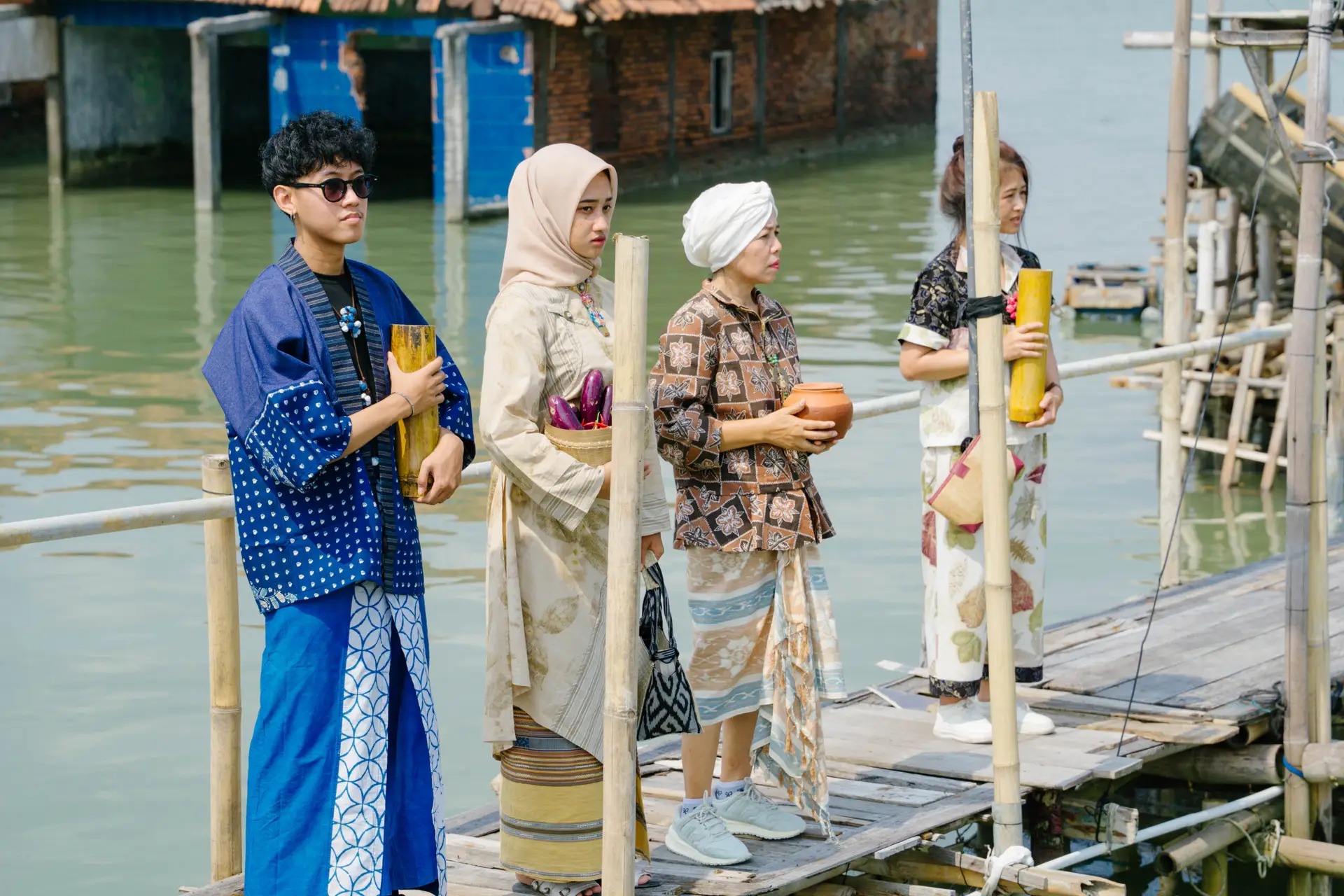
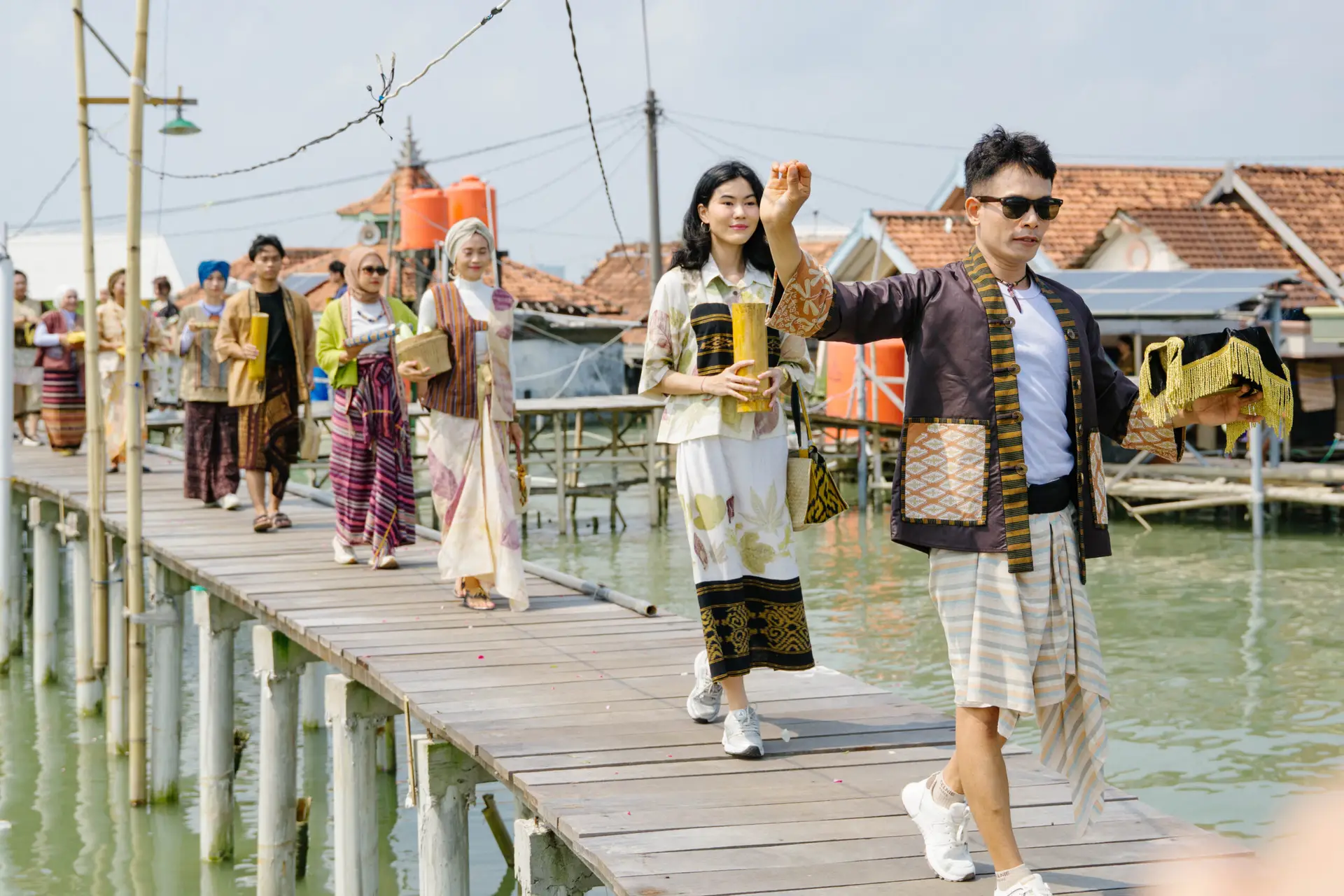
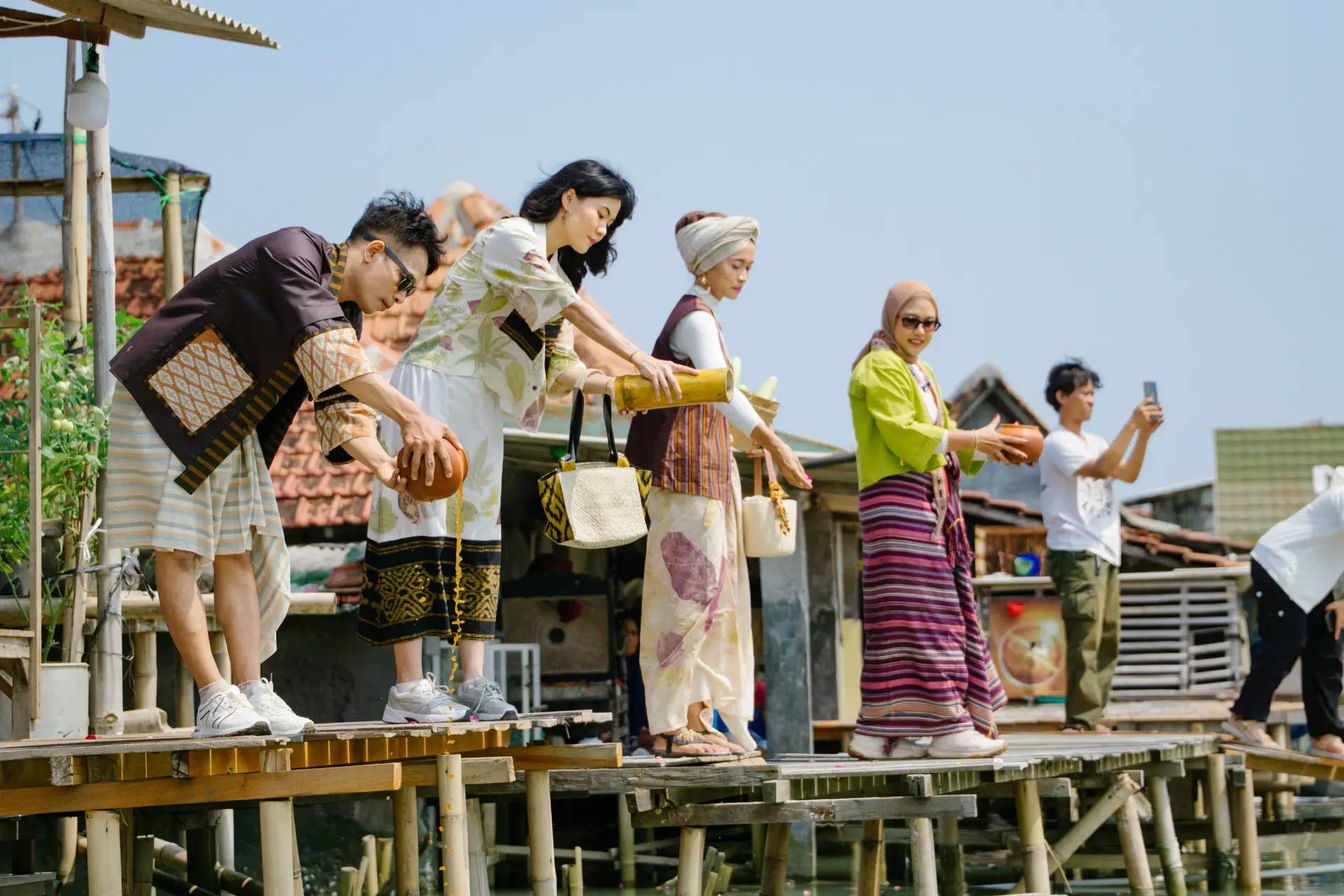
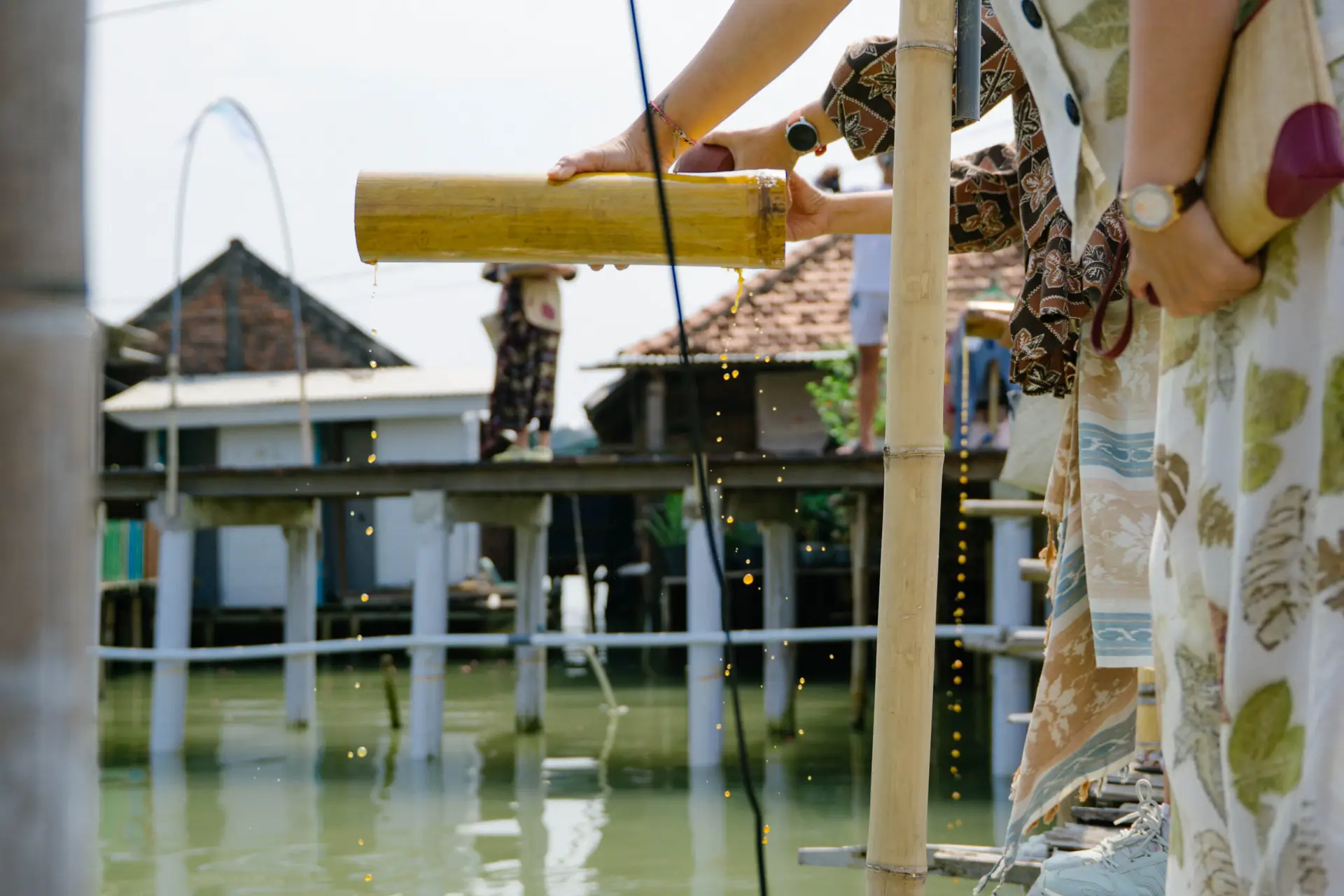
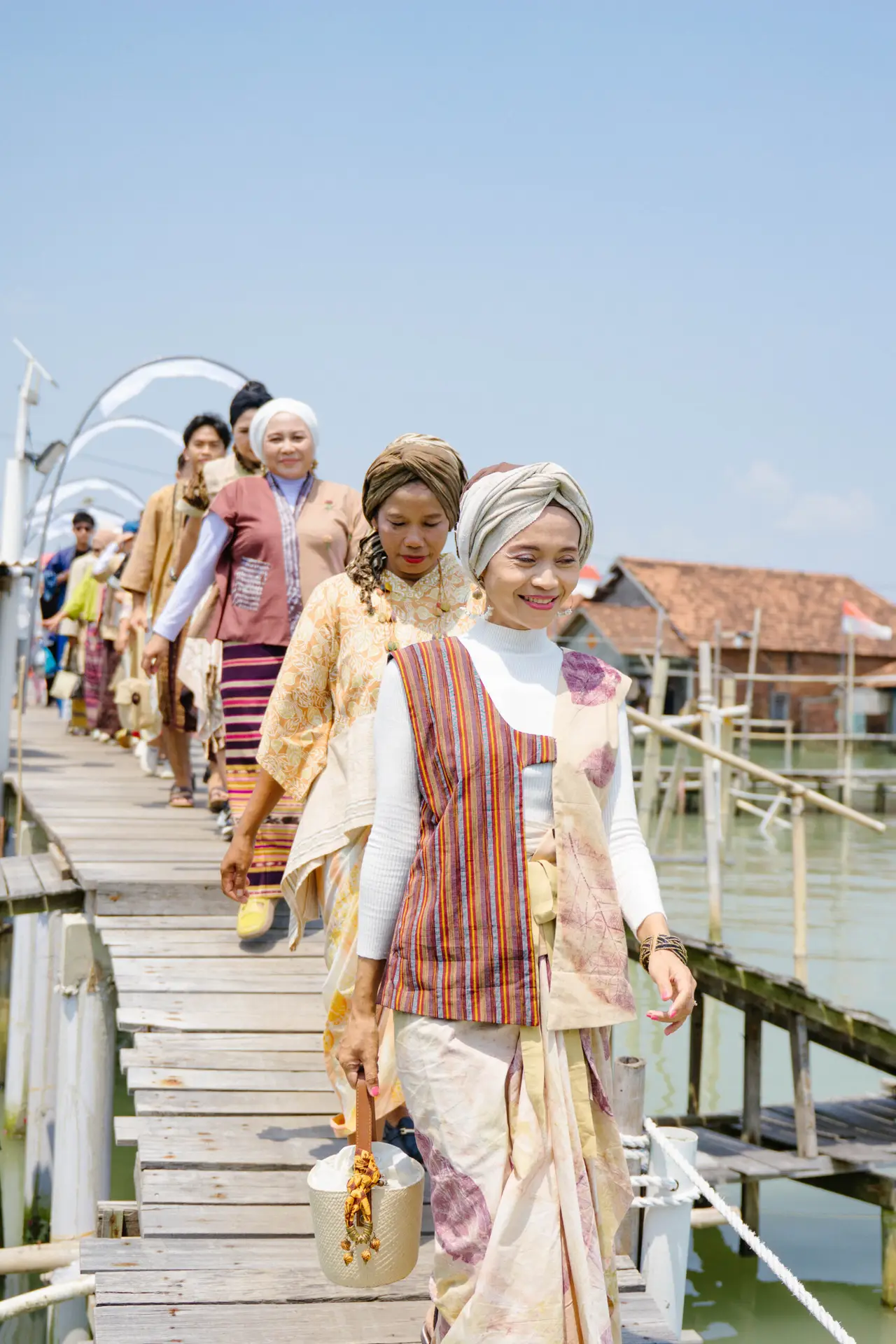
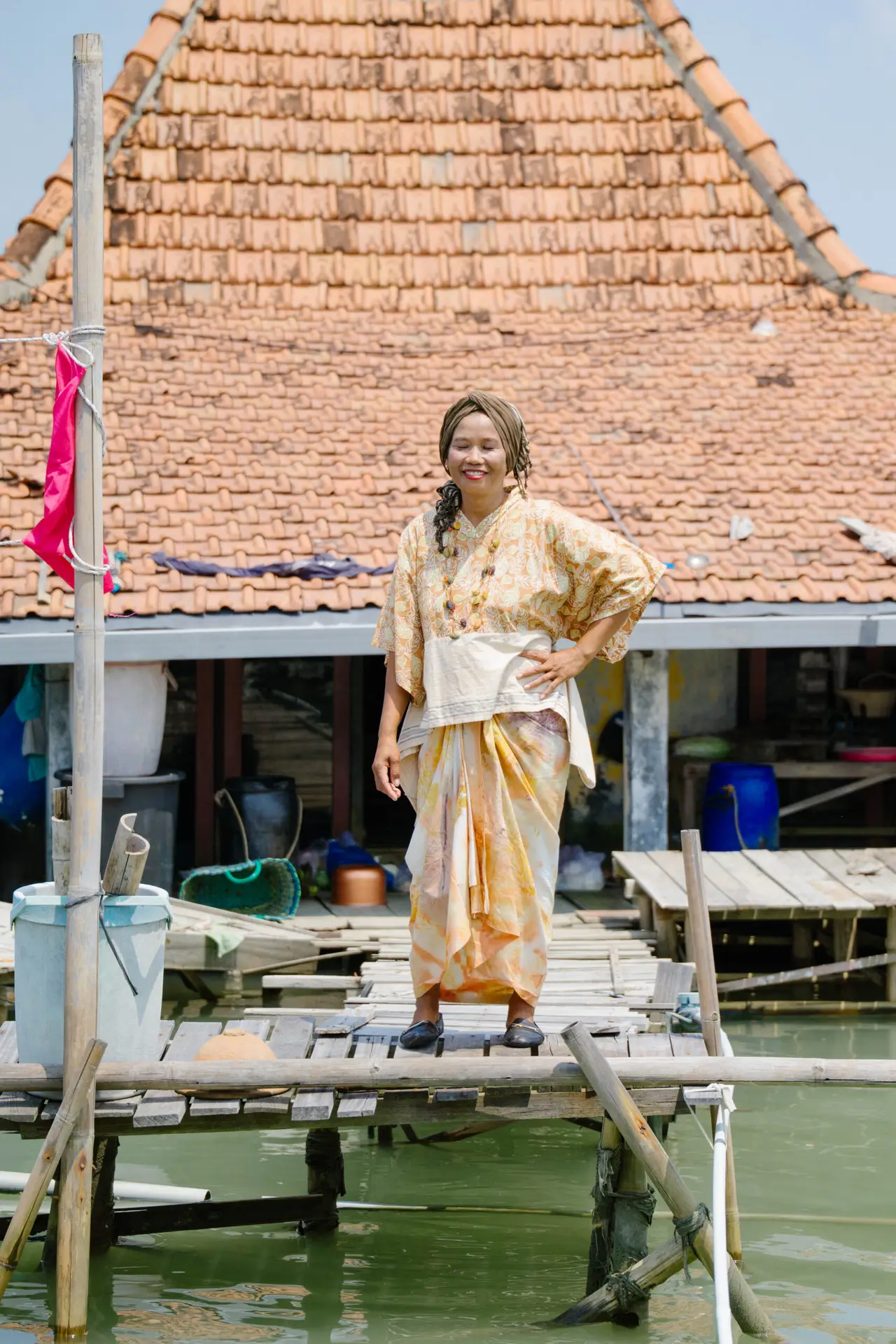
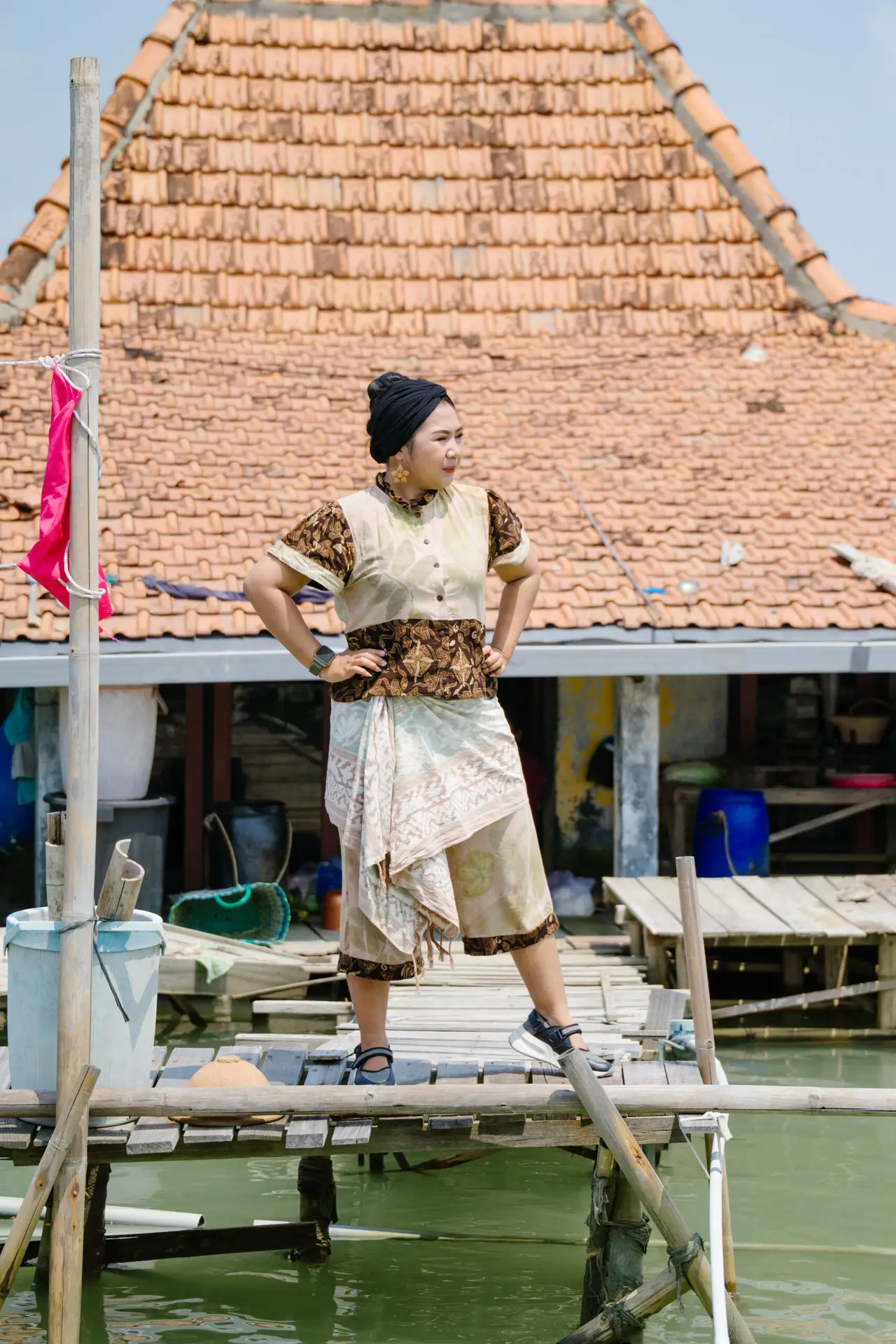
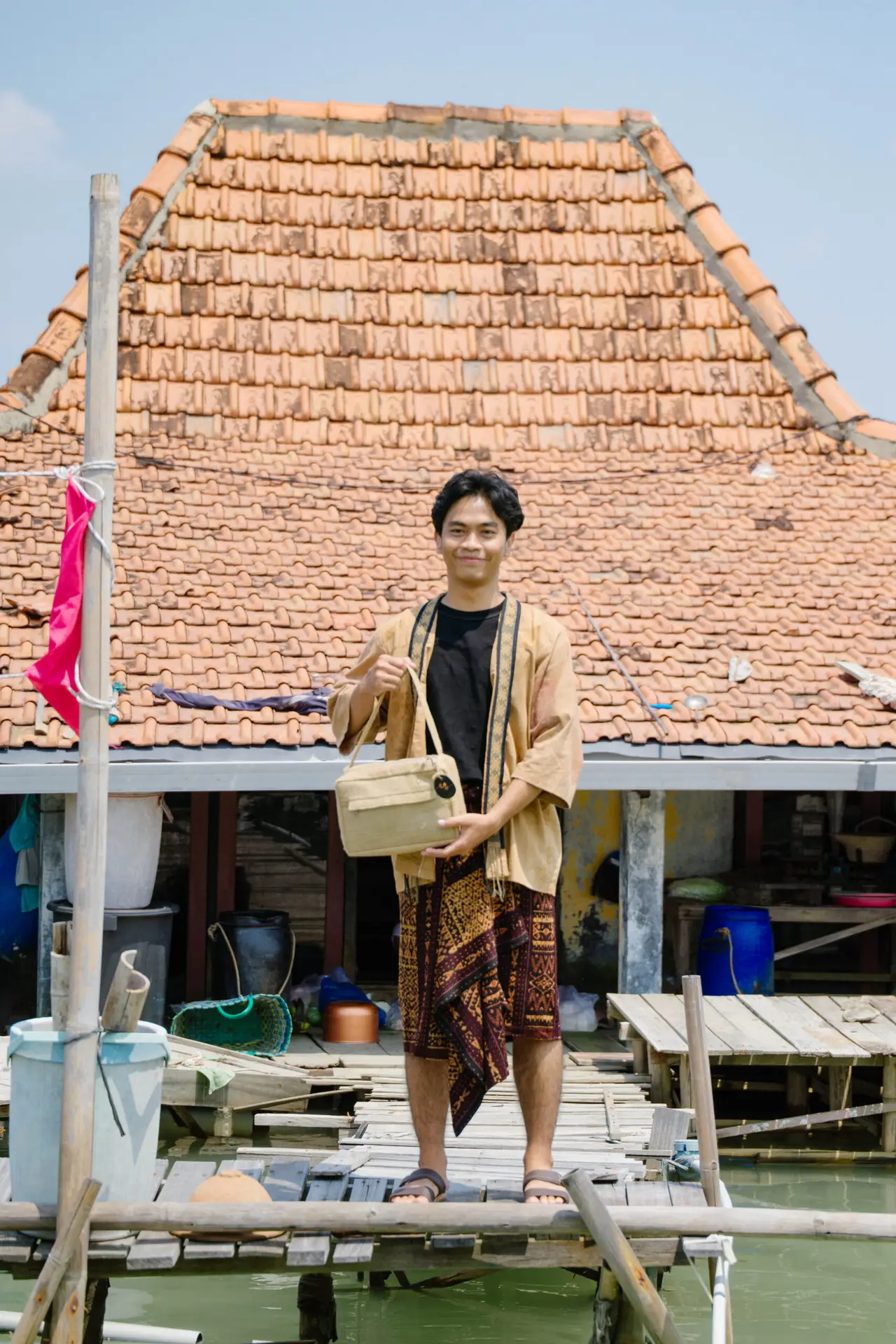
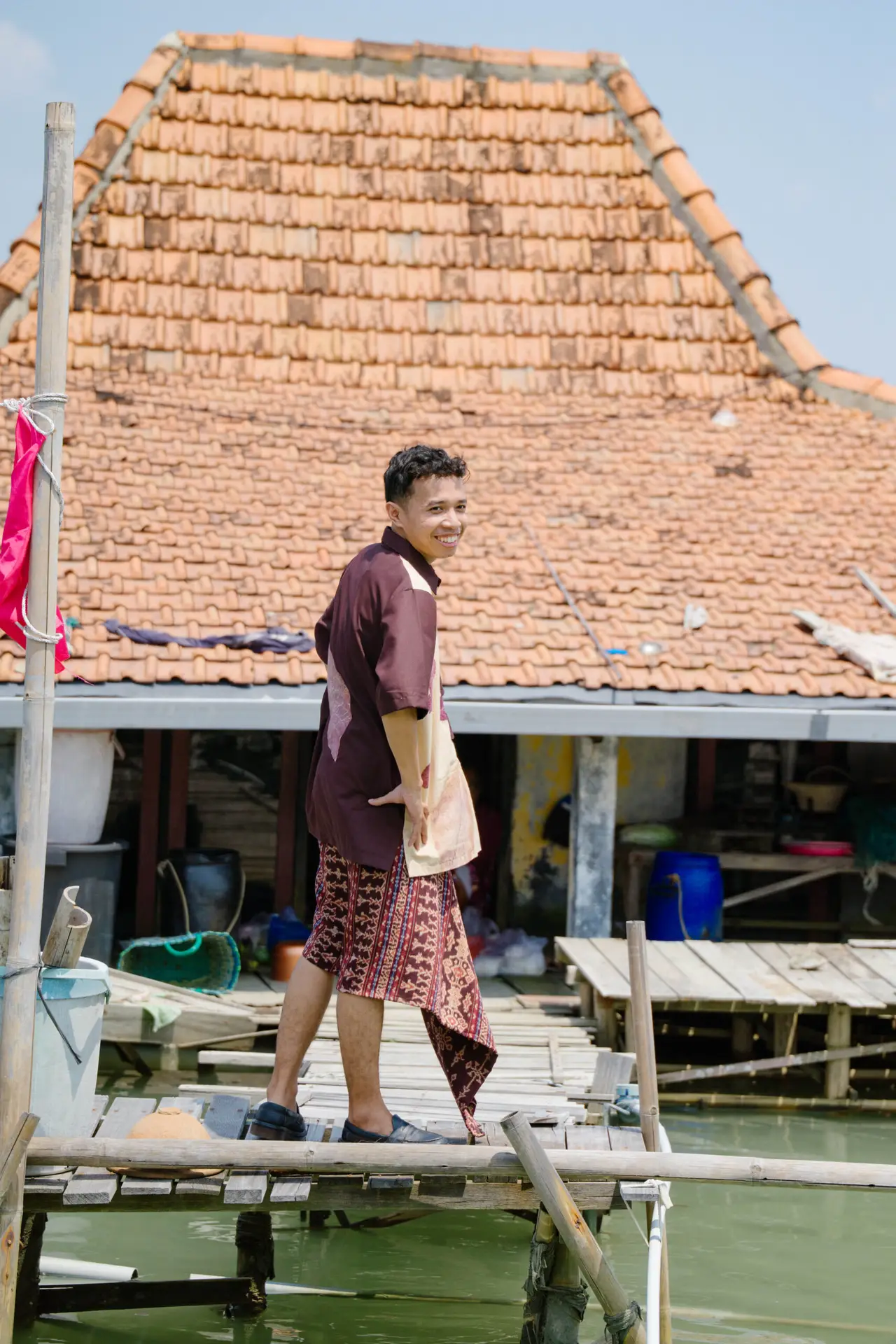
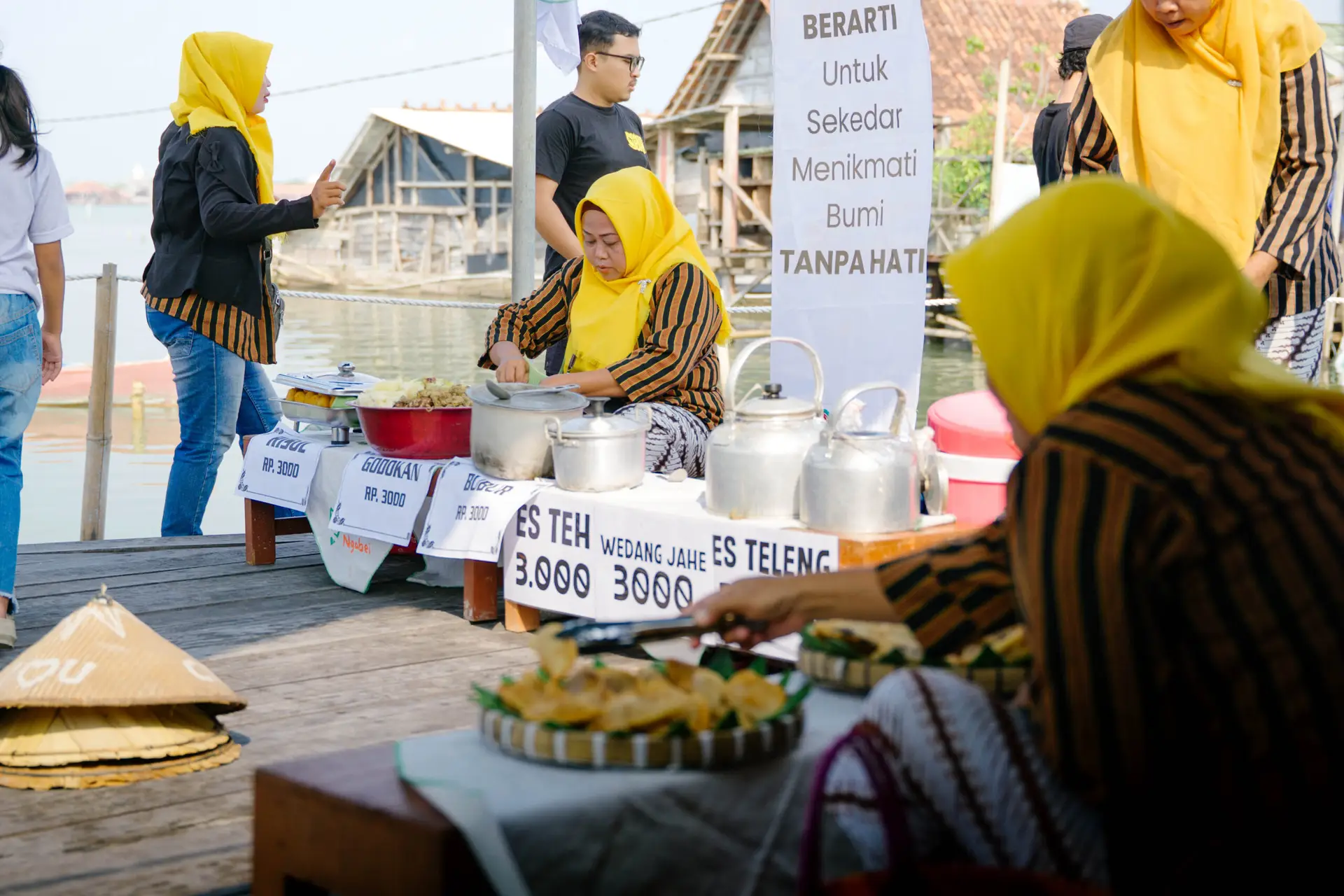
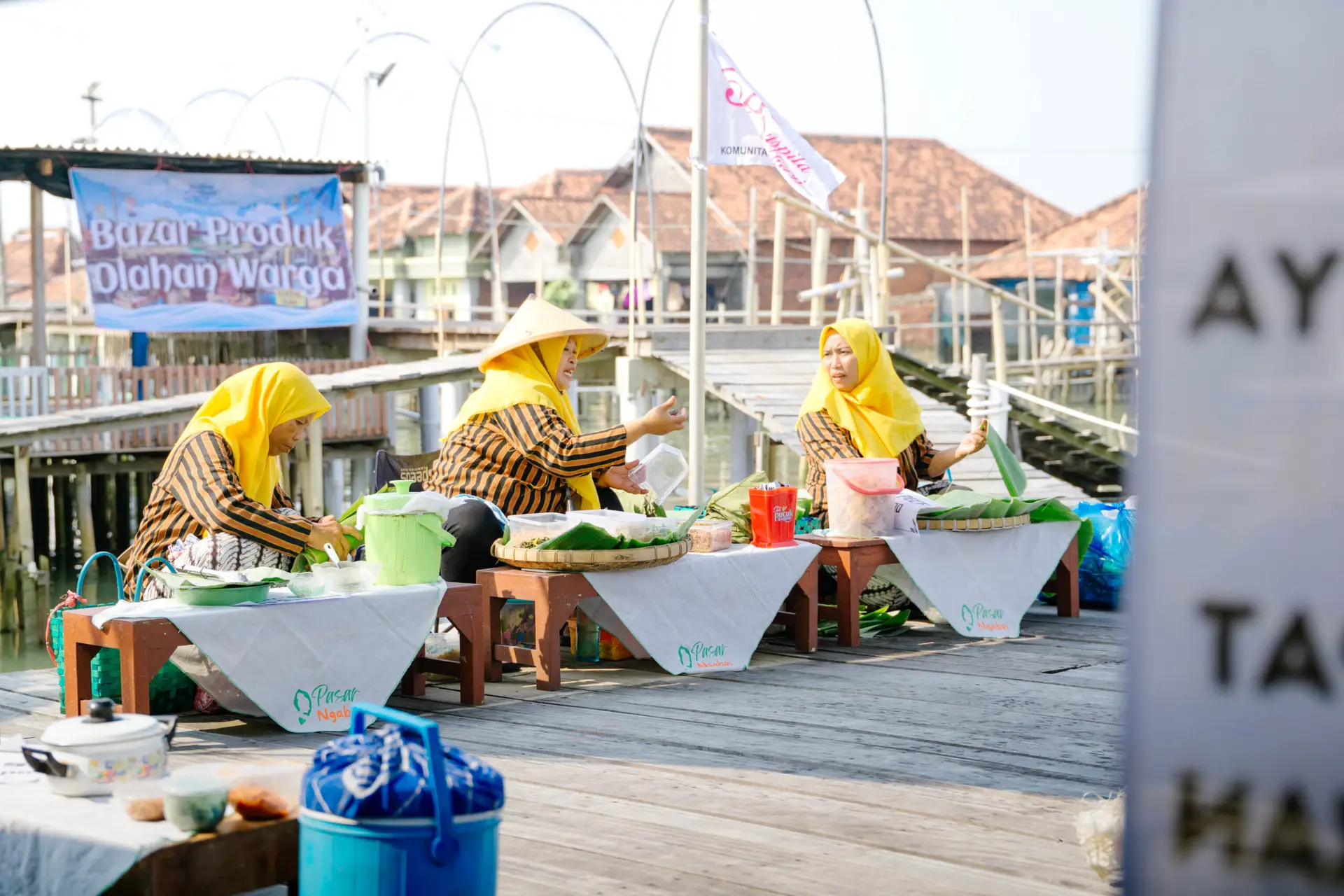
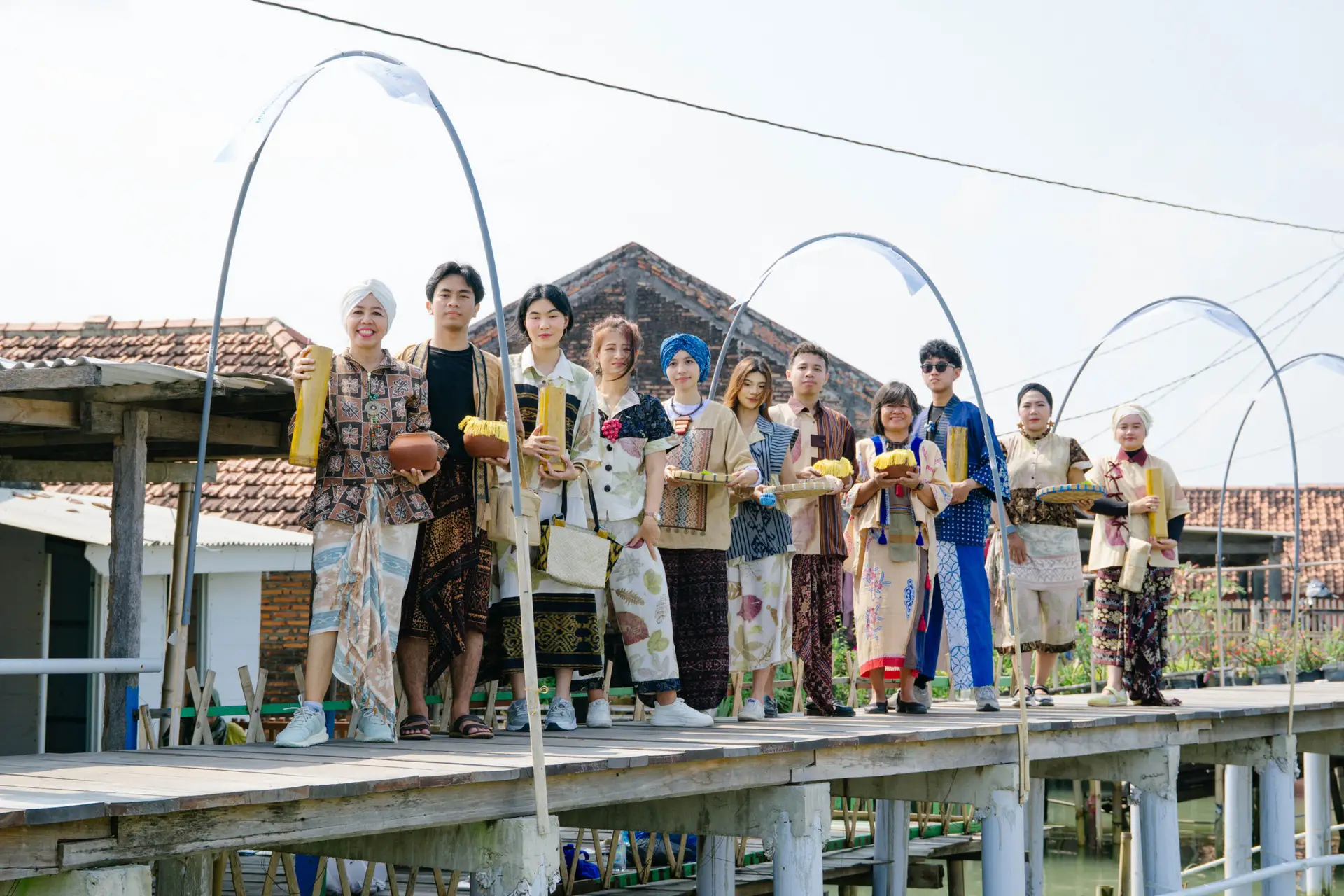
The Festival began with a community procession of coastal women, human rights activists, and members of a local youth movement. The procession featured an eco-fashion show led by Komunitas EMPU, with many participants modelling clothing coloured with natural dyes and designed and tailored by local women across Indonesia. This was followed by a symbolic earth-healing ritual, including a food-sovereignty harvest and the dispersal of eco-enzyme solutions into flooded waters as acts of restoration and hope.

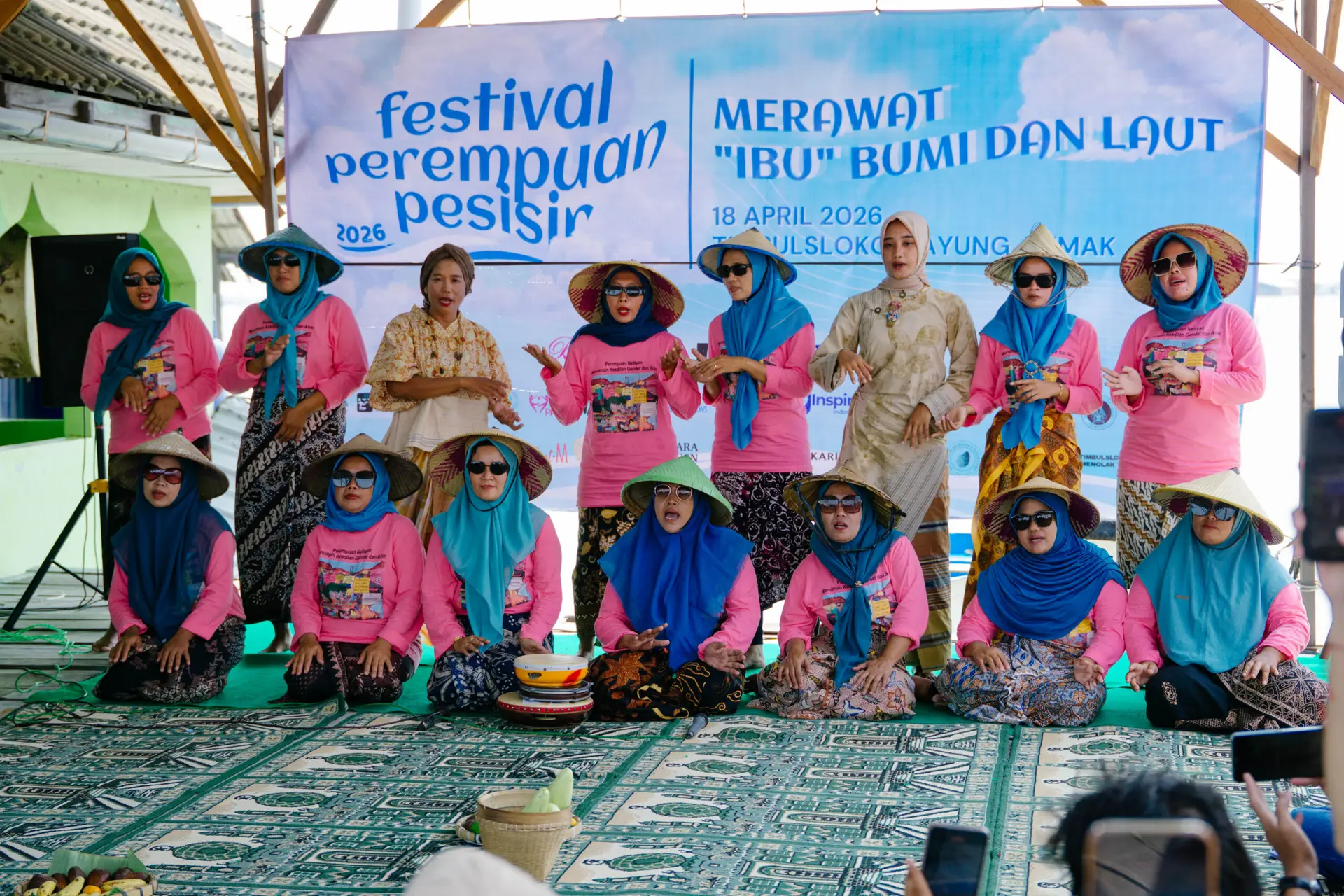
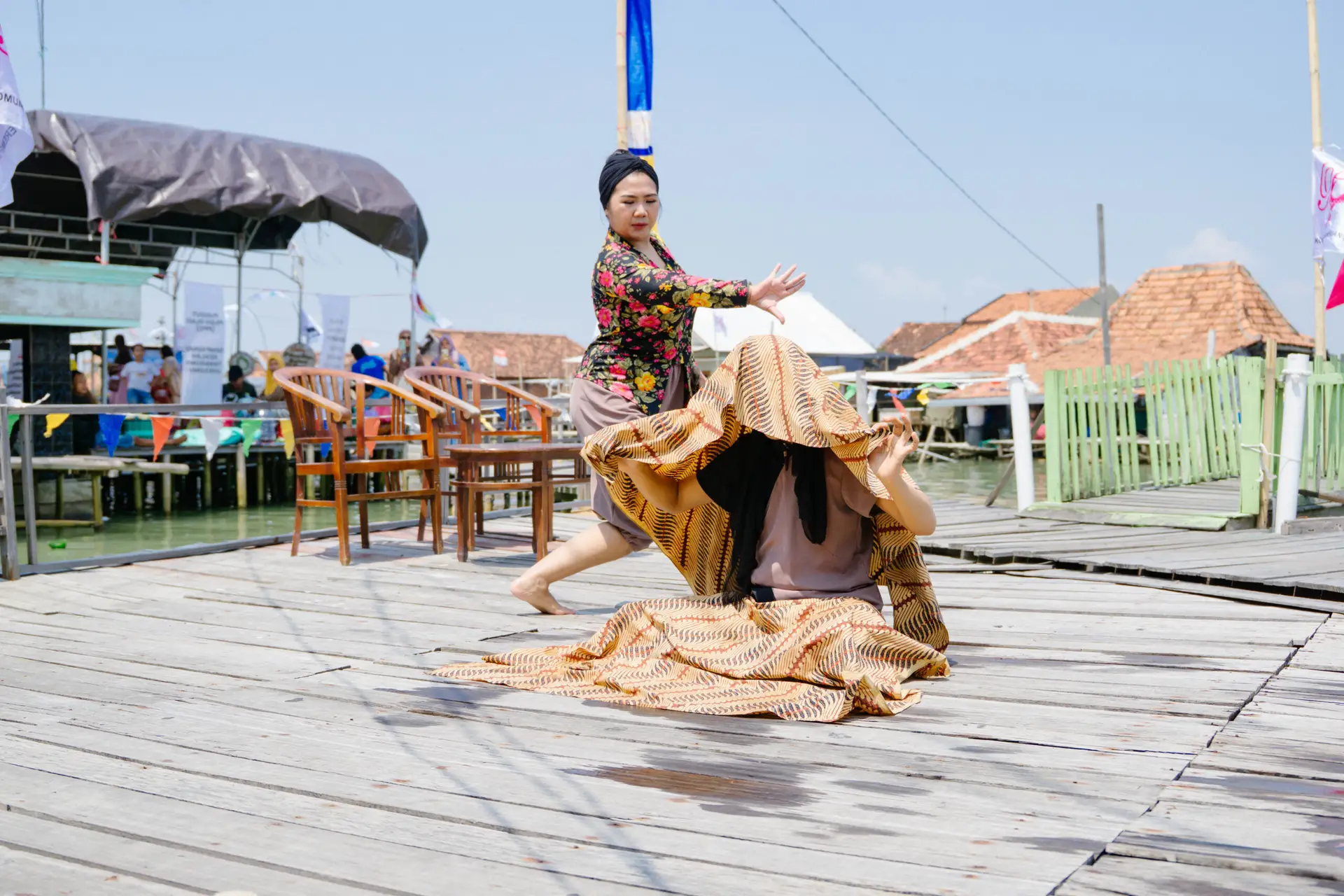
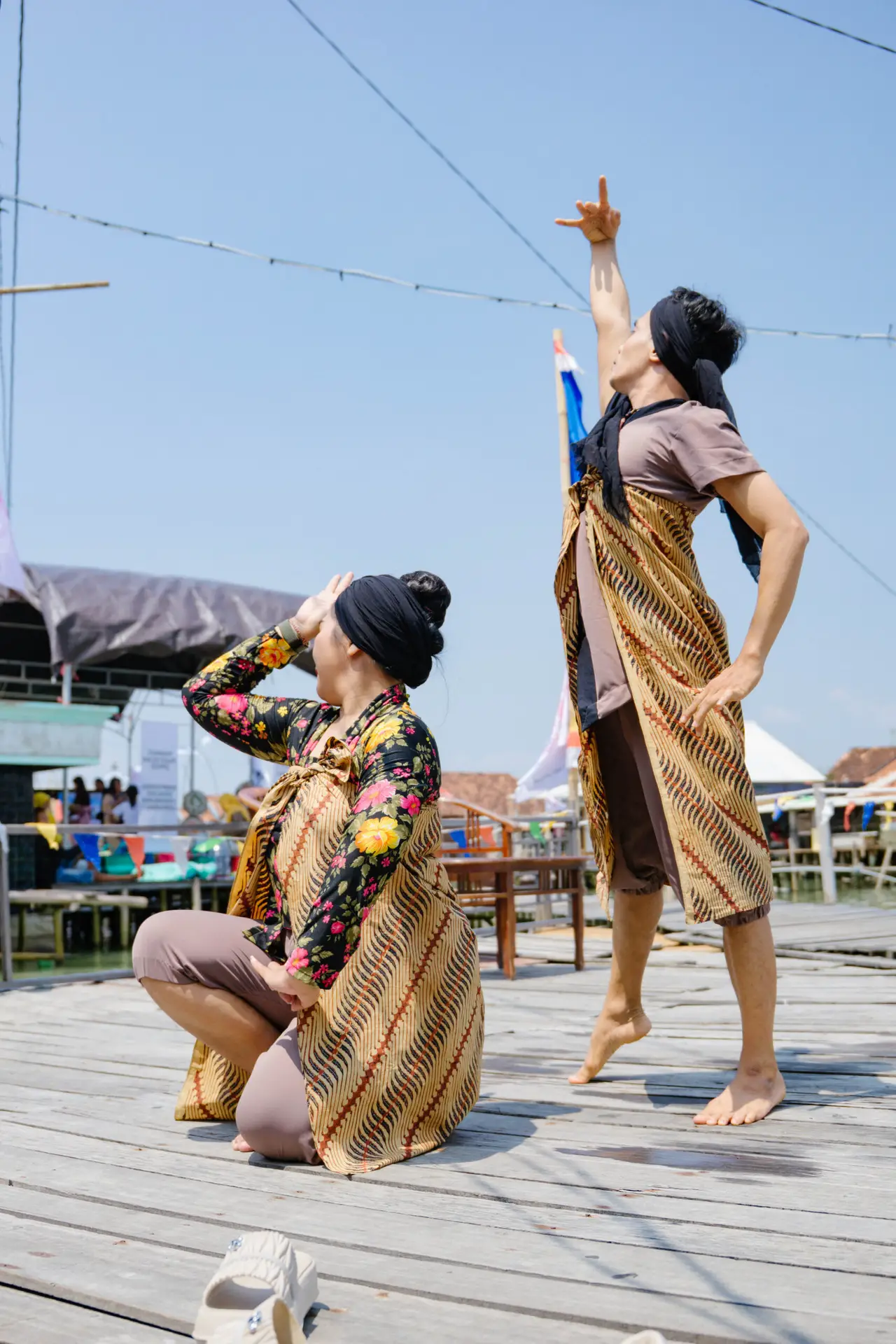
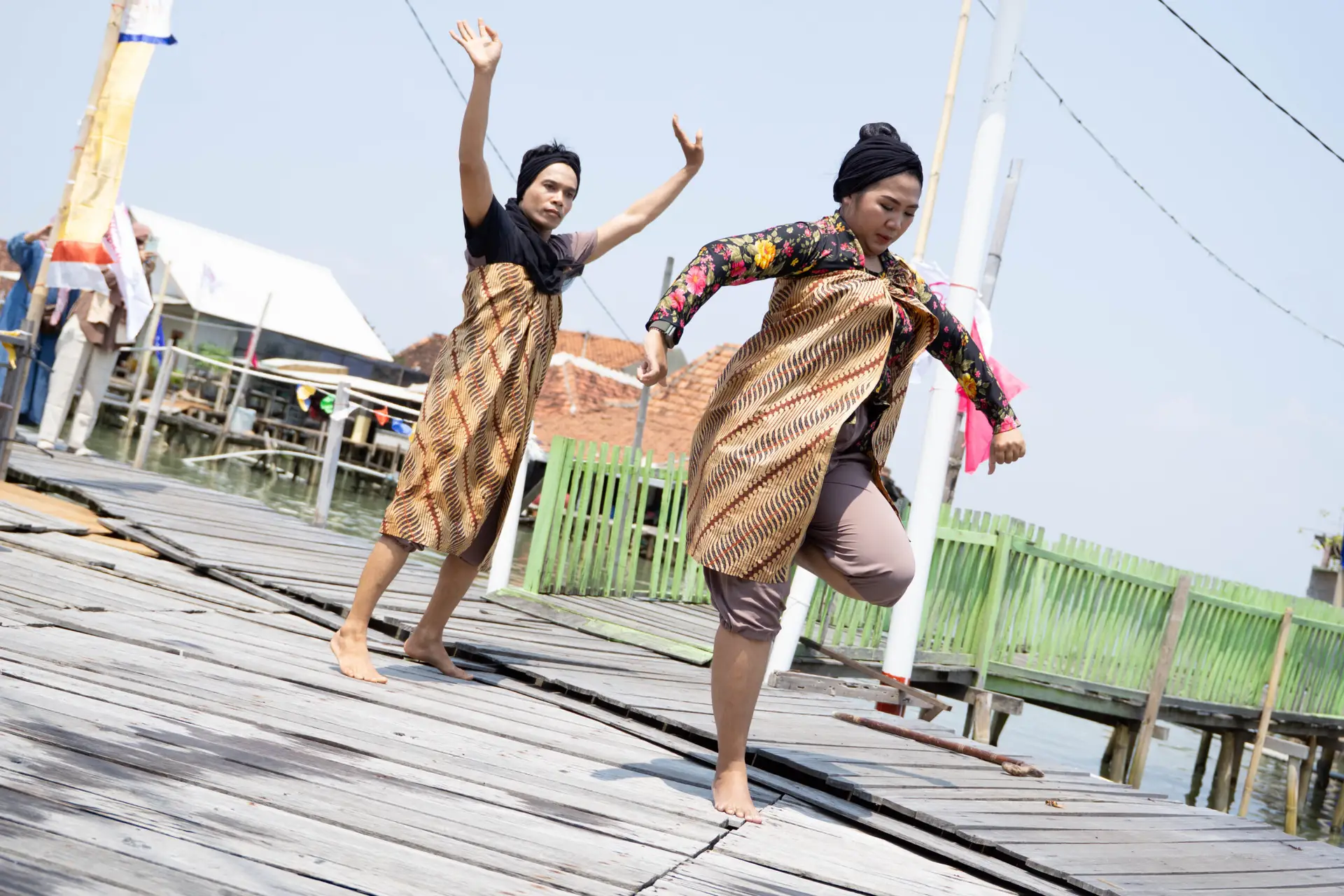
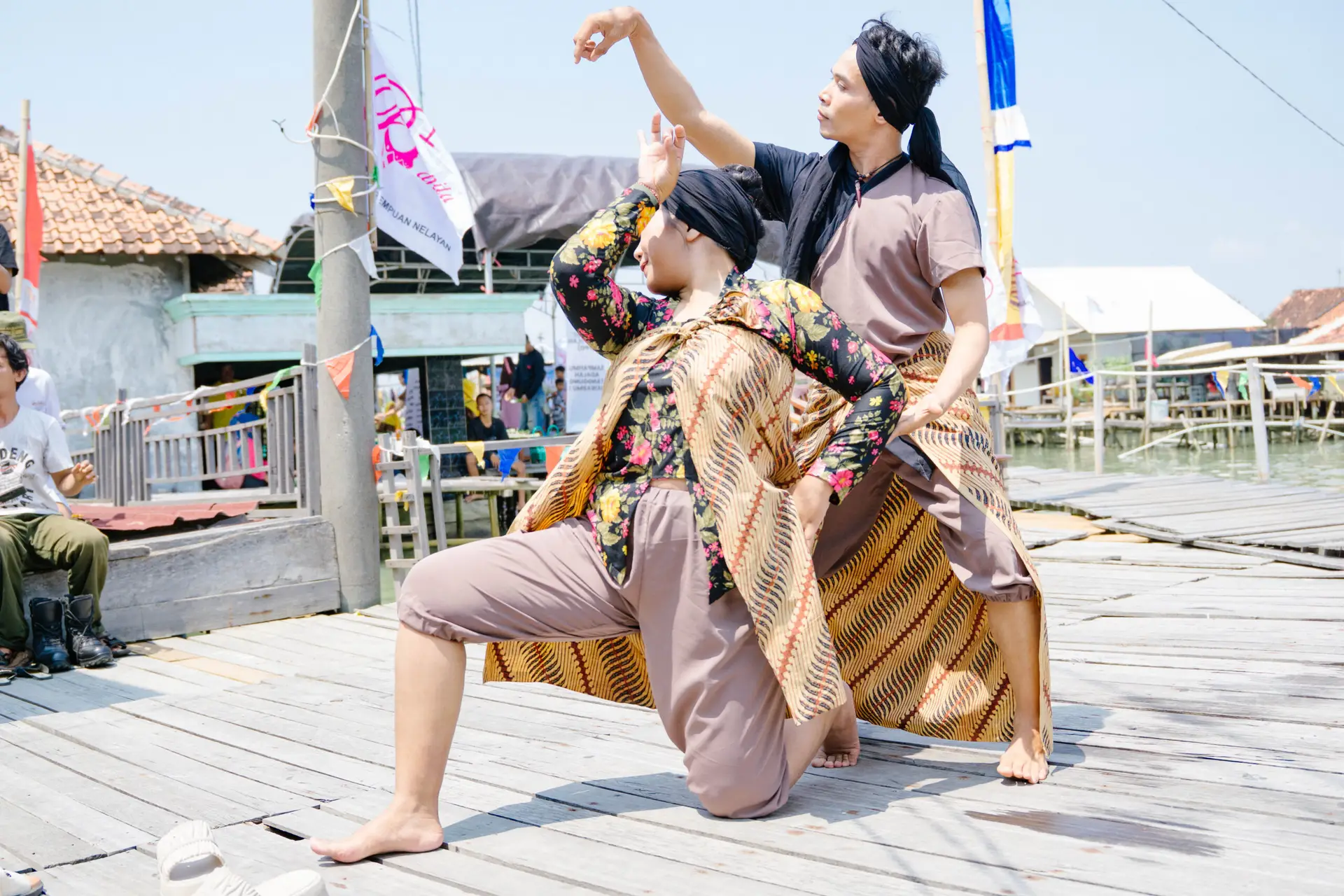
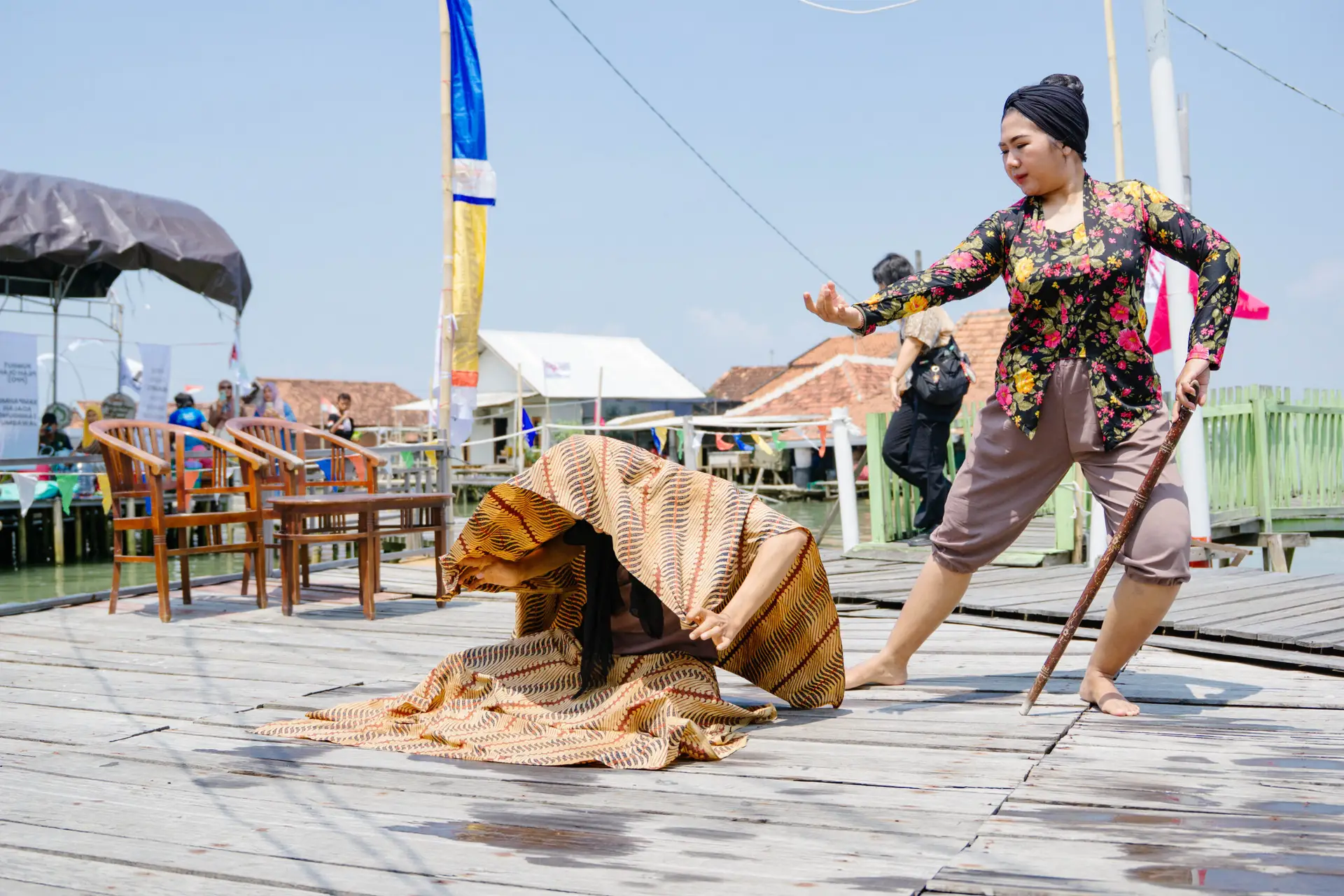
Cultural performances followed, including a dance performance by The Cangik illustrating the lives of coastal women during tidal floods.

Image credit: Daffa/Demak Berdikari (2026). Dance performance by The Cangik.

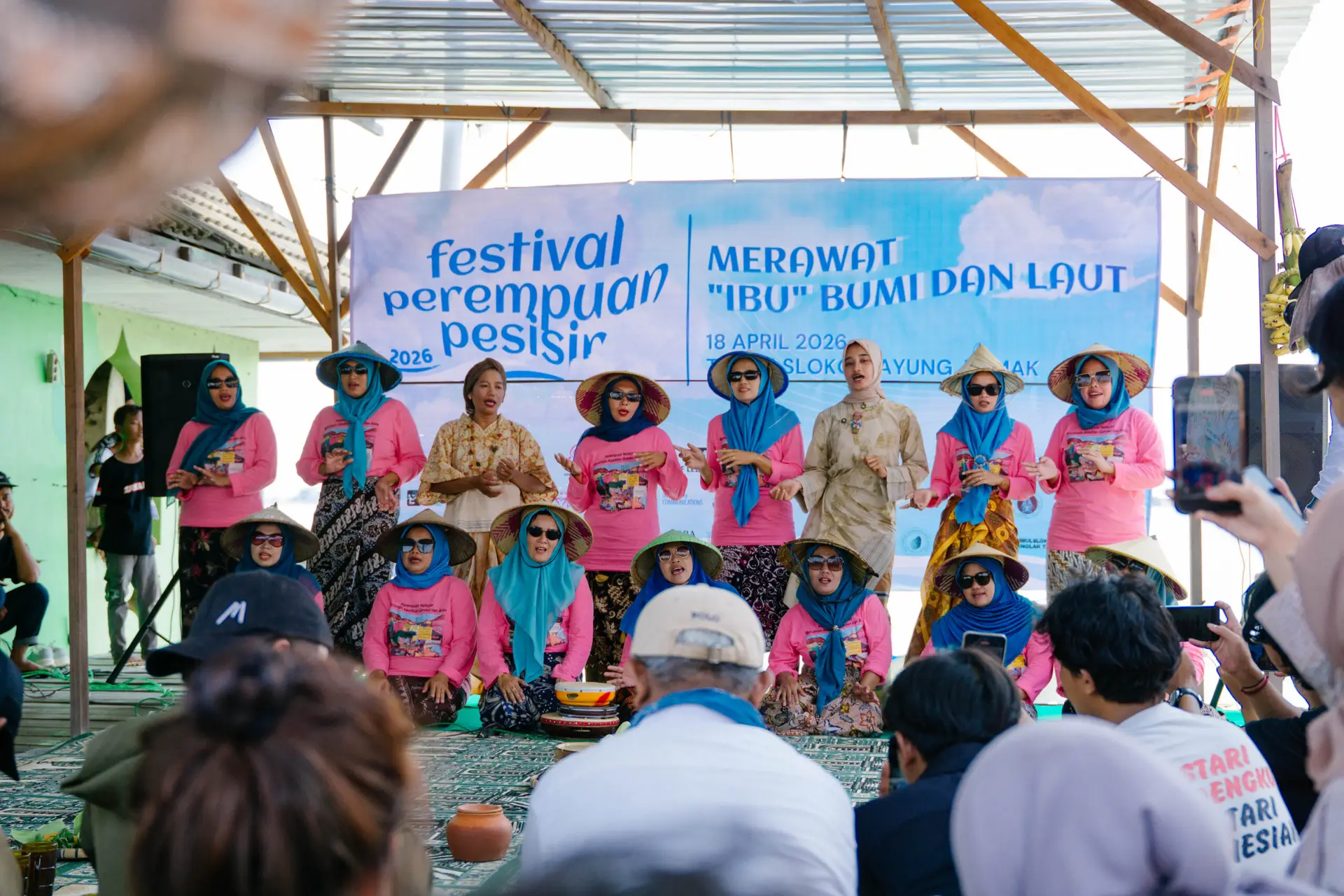
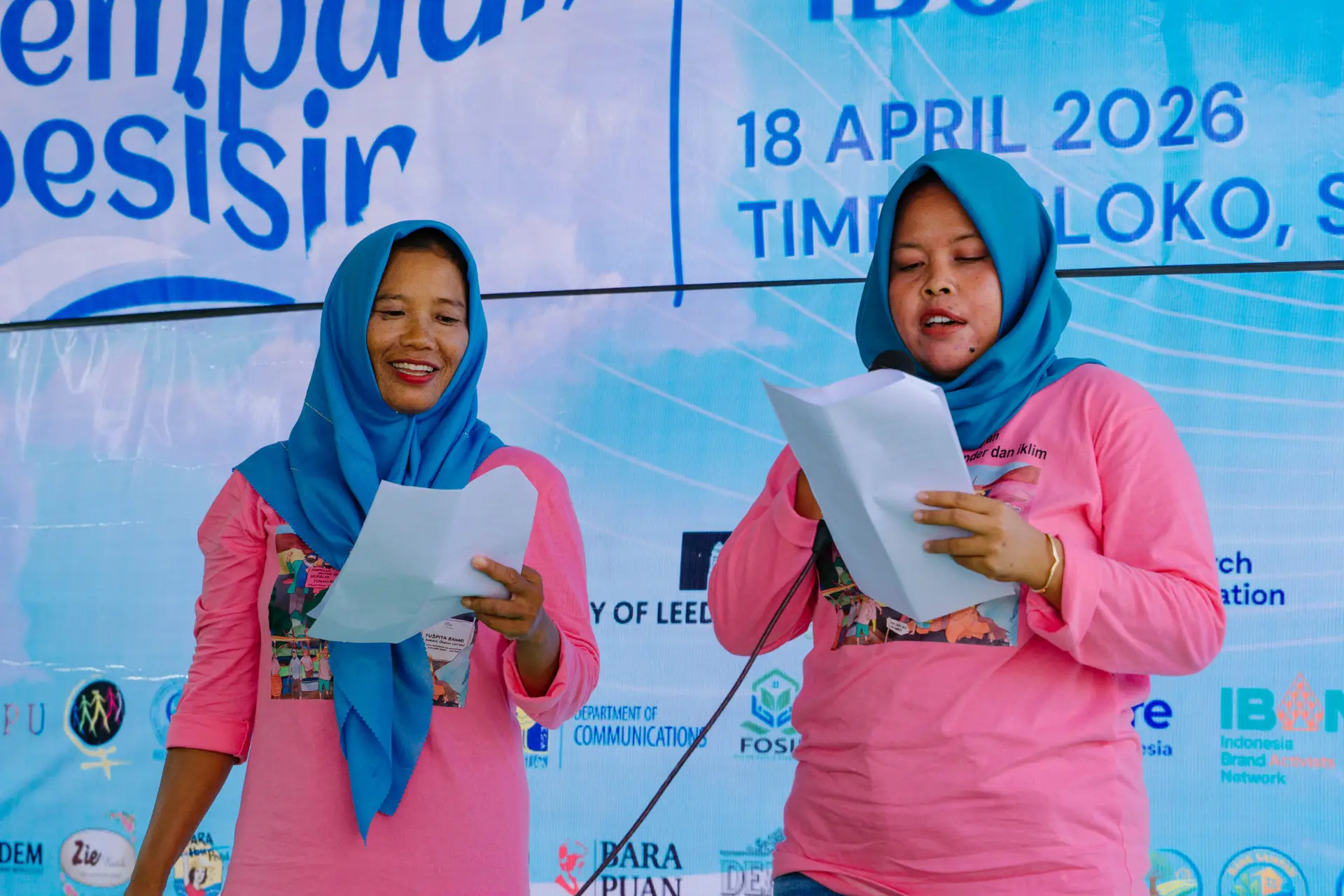
Puspita Bahari also presented a musical performance in collaboration with Mother Bank and Suara Ibu Peduli titled “Tidal Floods”. An excerpt from the song reads:

Banjir rob datang lagi
Angkatlah perbaotanmu
Walau lelah mengantuk
Kasur basah, barang terapung 

The tidal flood comes again
Lift up all your things
Though weary and sleepy
Mattresses soaked, belongings afloat

Image credit: Daffa/Demak Berdikari (2026). Music performance by coastal women in Demak.

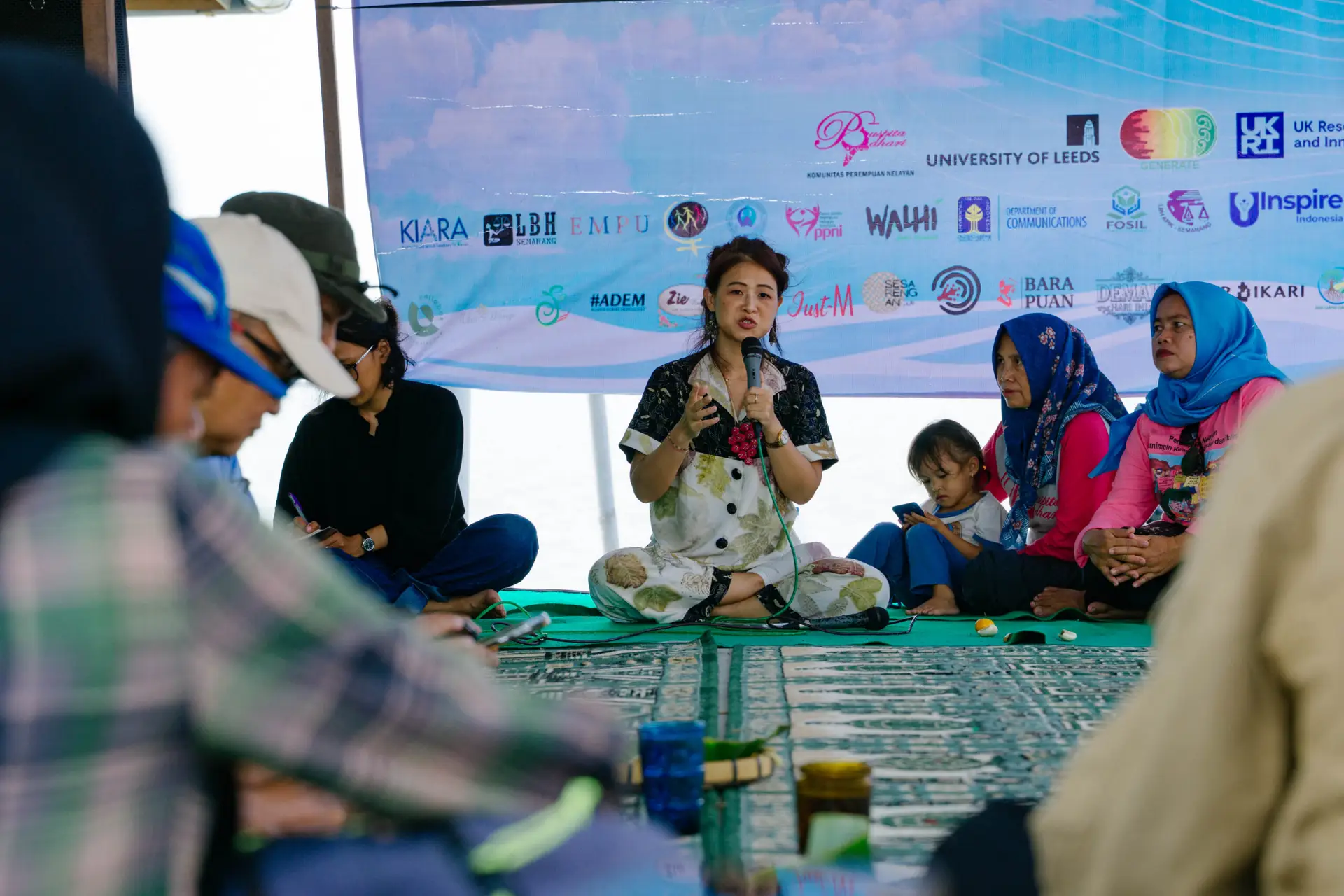
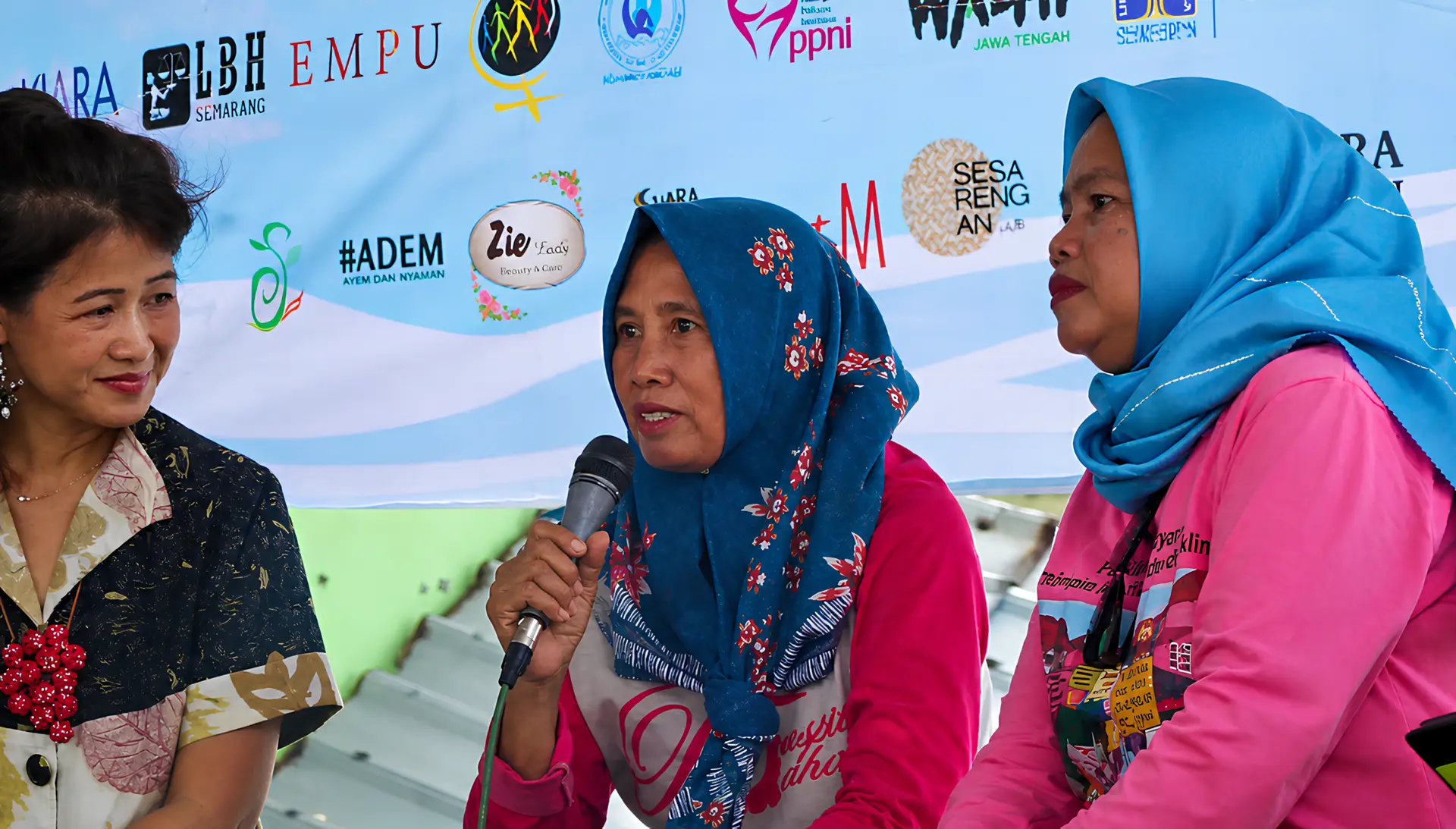
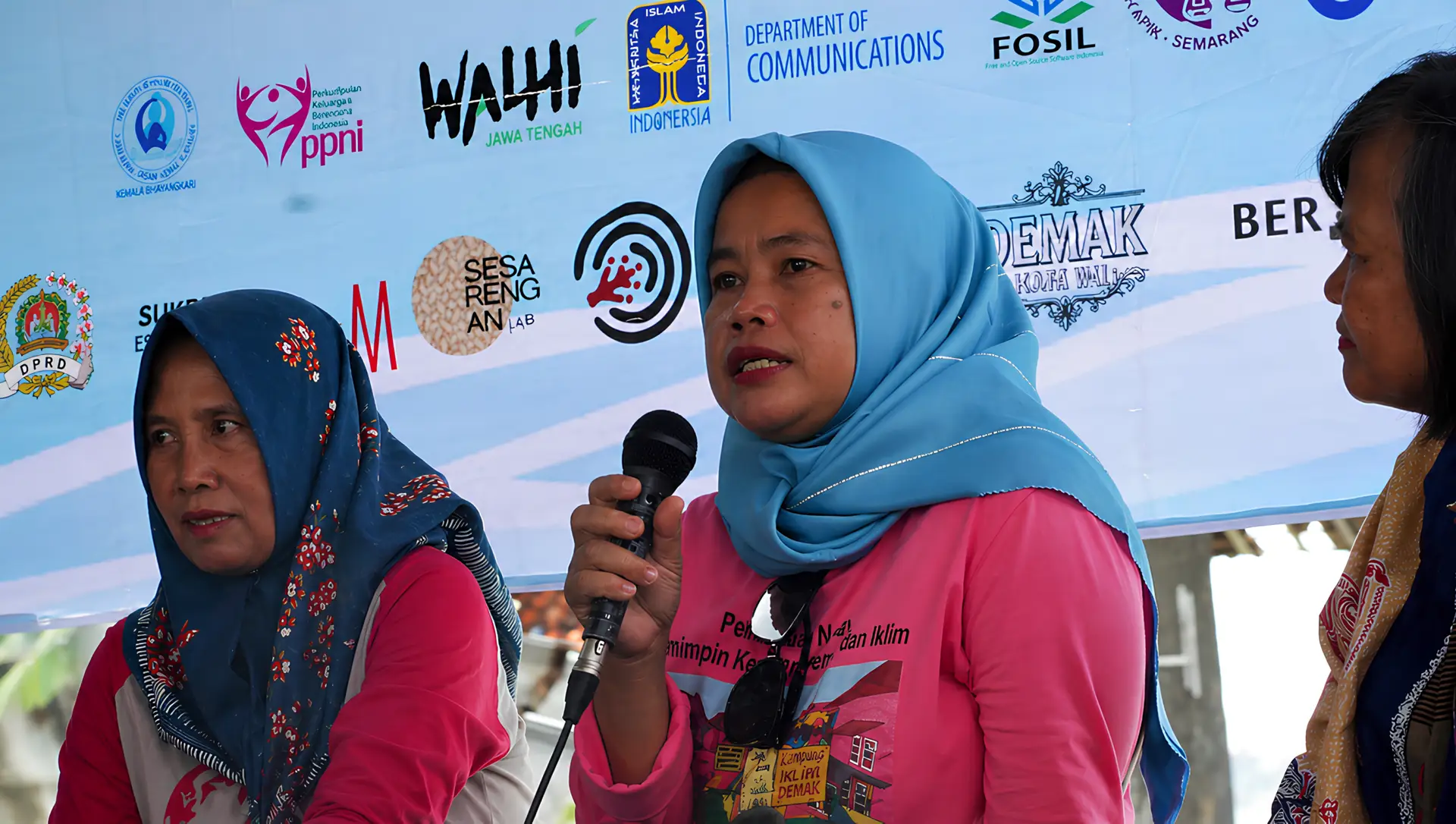
The centrepiece of the Festival was a Climate Justice Forum, bringing together fisherwomen from Purworejo, Morodemak, Margolinduk, Bedono, and Timbulsloko with policymakers from local and national government institutions, including a member of the Regional Representative Council (DPD RI), the Deputy Chair of the Demak Regional House of Representatives (DPRD), the former Chair of the National Commission on Violence Against Women (Komnas Perempuan, 2010-2014), representatives from the Demak Environmental Agency and the Office for Women’s Empowerment and Child Protection, as well as environmental activists and gender justice advocates. Participants called for a future coastal policy that does not ignore gender equality, women’s voices, or ecological sustainability. 

“We welcome the initiative of fisherwomen who have established waste banks and mangrove nurseries. We have also been planning to purchase mangroves cultivated by community groups, which will then be planted along our shoreline to serve as buffers. In addition, we will buy plastic waste from the waste bank to be processed into materials for wave-breaking structures, which we have already begun producing to address coastal abrasion and sea waves.”

“For years, coastal women in Demak have faced layered impacts from extractive development and increasingly severe tidal flooding. This has led to poverty, domestic violence, reproductive health problems, and intensified domestic burdens. It reflects the state's failure to protect the rights of coastal women. We are tired of false solutions. We need real change that actually listens to women and supports us.”

“I was struck by the strong cross-generational participation. Puspita Bahari built intersectional solidarities, challenging binaries between urban/rural, coastal/non-coastal, women/men, and young/old. Tidal flooding is not isolated but tied to wider political, economic, and environmental systems shaping our futures. Sustaining these movements is crucial amid overlapping crises that affect both individuals and collective struggle.”

Building global solidarity through research action partnerships

The Festival reflects ongoing collaborations between grassroots communities in Indonesia and researchers at the University of Leeds on gender, climate change, and social justice. Over the past six months, these collaborations have established four women-led waste banks and three food resilience gardens, distributed 200 plant seedlings, and gathered data on and co-designed interventions to prevent gender-based violence in climate-affected coastal communities.

By facilitating community-led initiatives such as this Festival, the GENERATE Project demonstrates how universities can work alongside frontline communities to co-produce knowledge, arts, and creative feminist praxis to support transformative local climate action.

As coastal women in Demak made clear throughout the Festival, those most affected by climate change are not passive victims—they are already leading the struggle for a more just and sustainable future.

Photographer: Daffa/Demak Berdikari.
Videomaker: Dayu/Ruang Study Gladak.