Rising Tides, Rooted Futures: Fisherwomen Leading Climate and Gender Justice in Demak
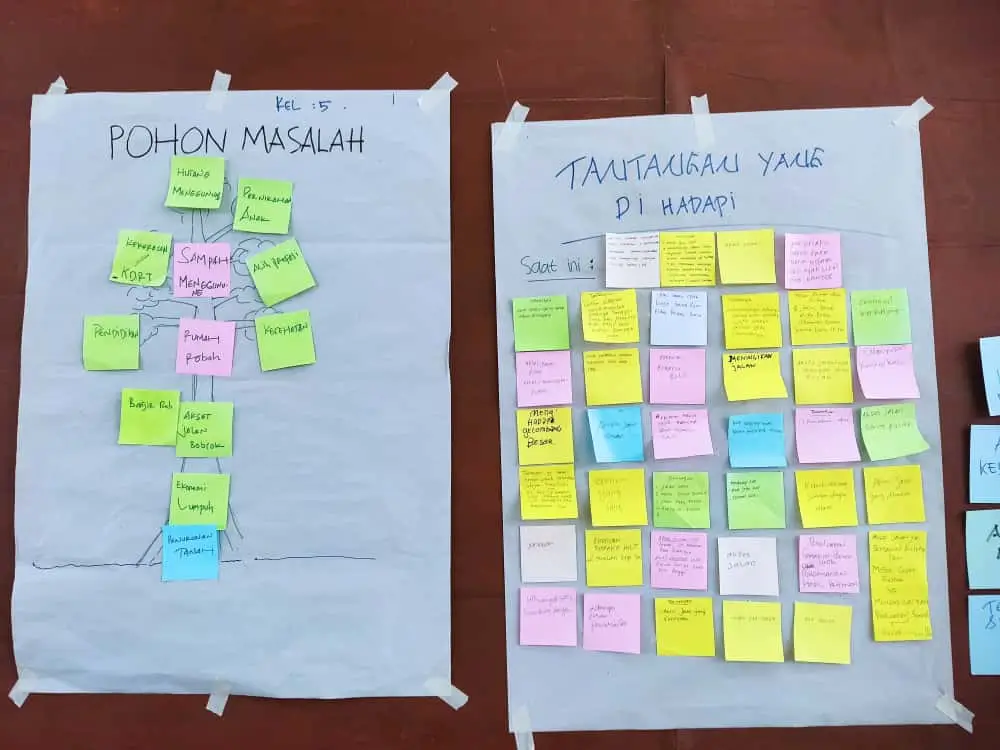
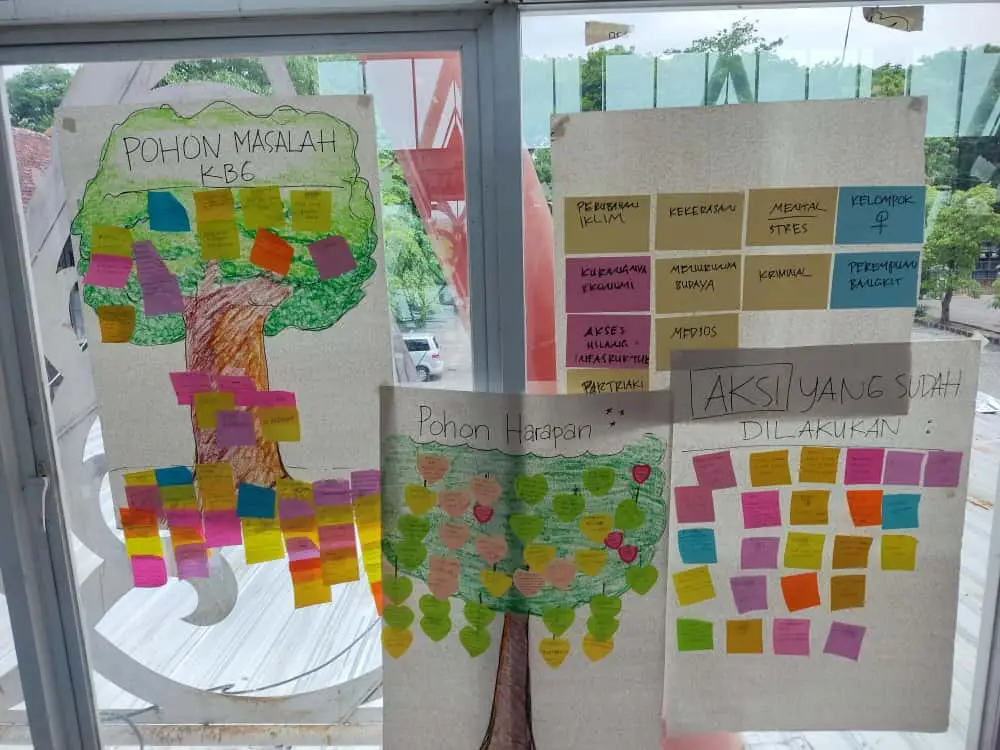
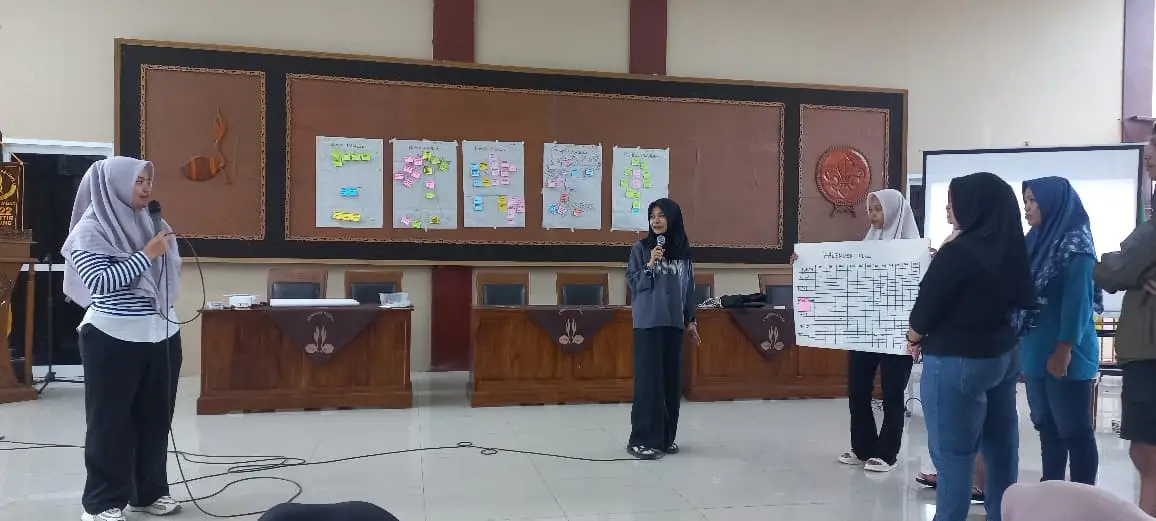
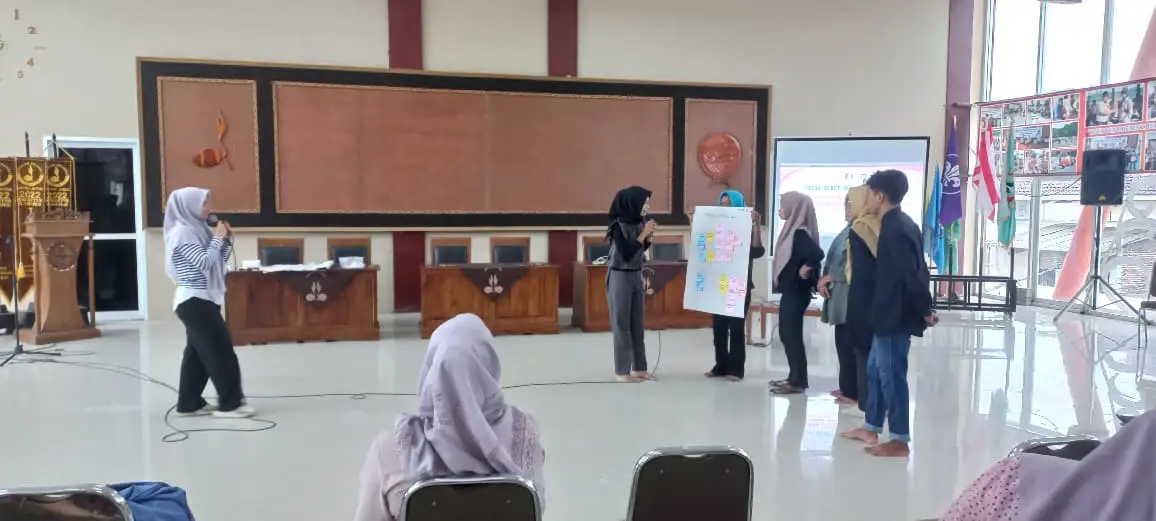
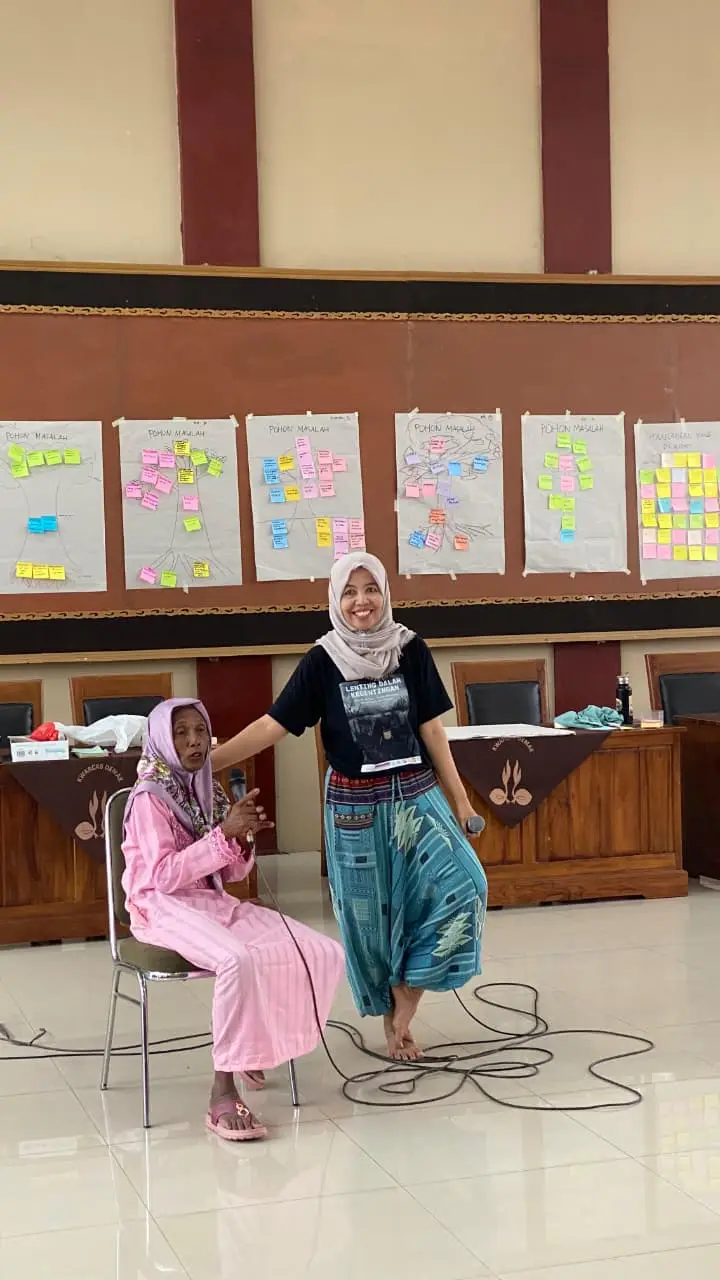
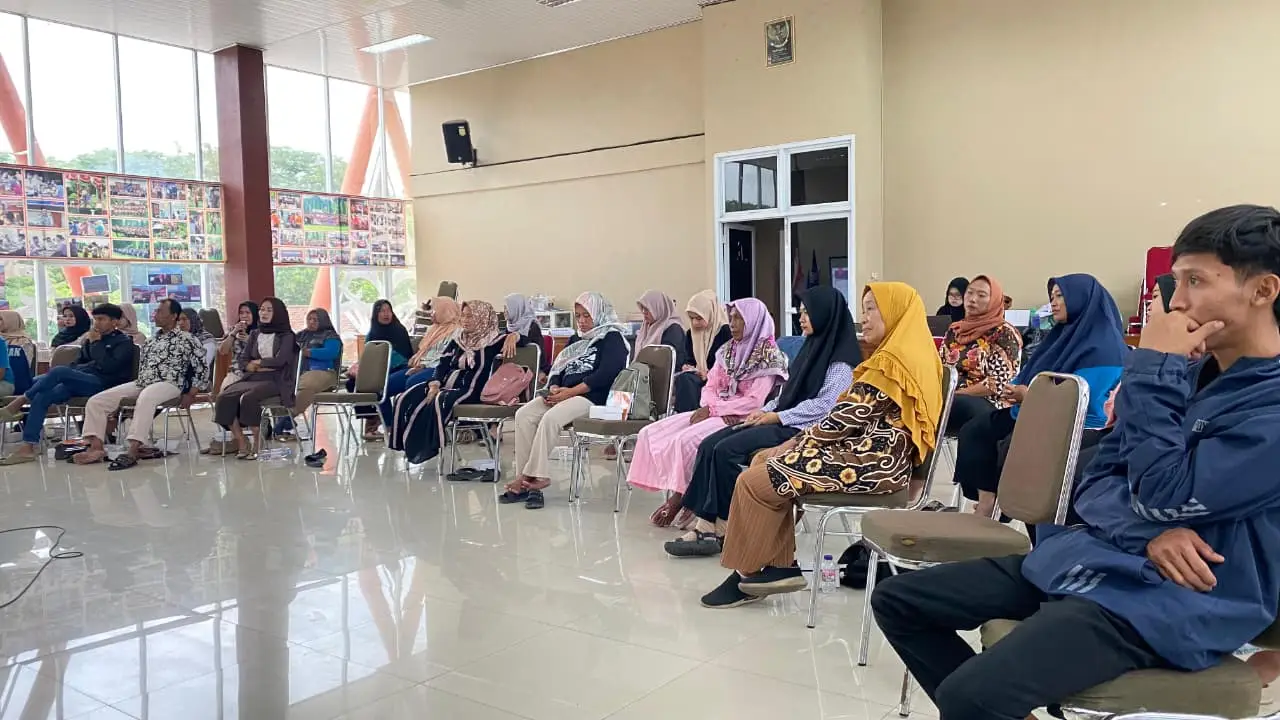
Mapping Gender-Based Violence (GBV) and SRHR Impacts of Tidal Flooding
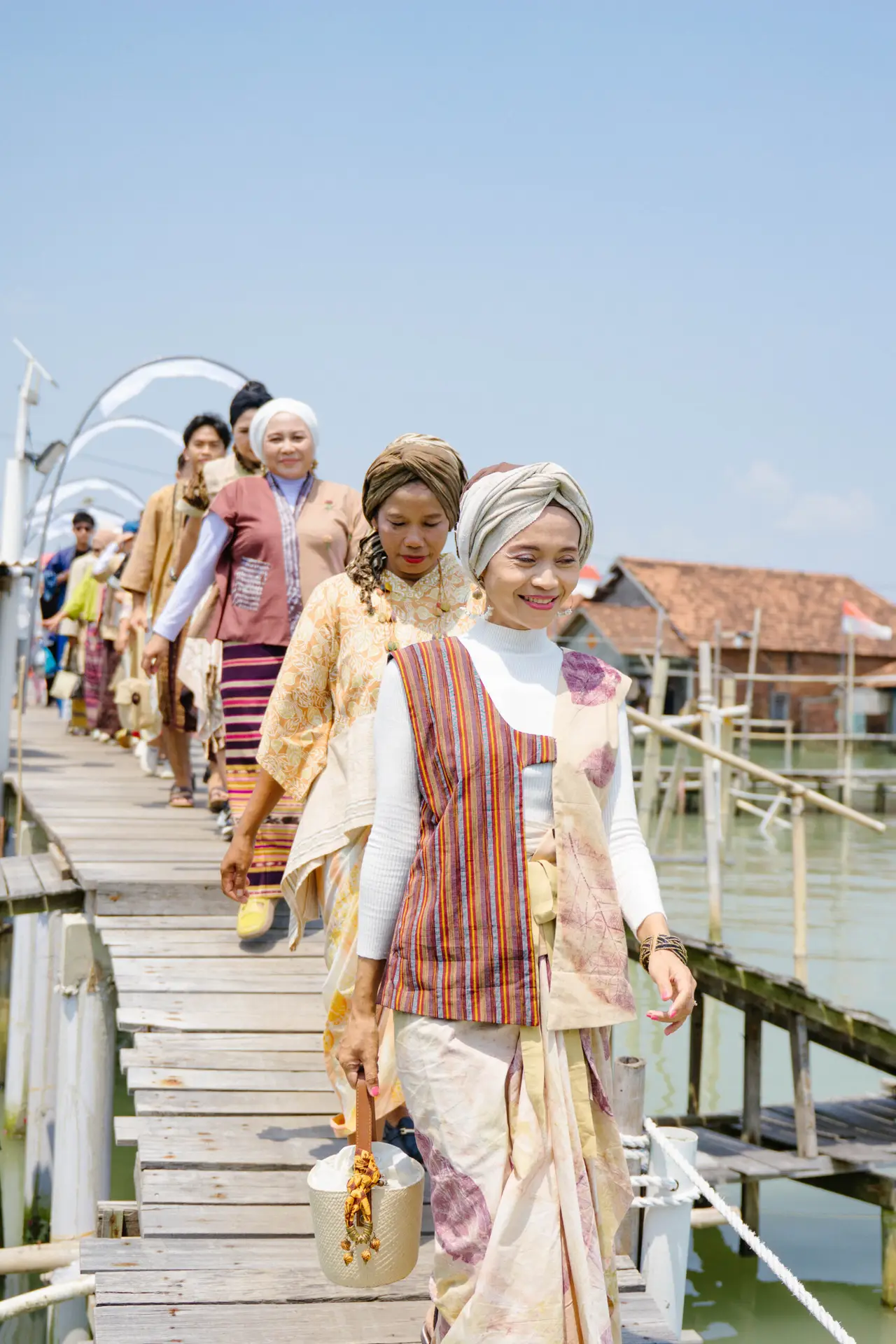
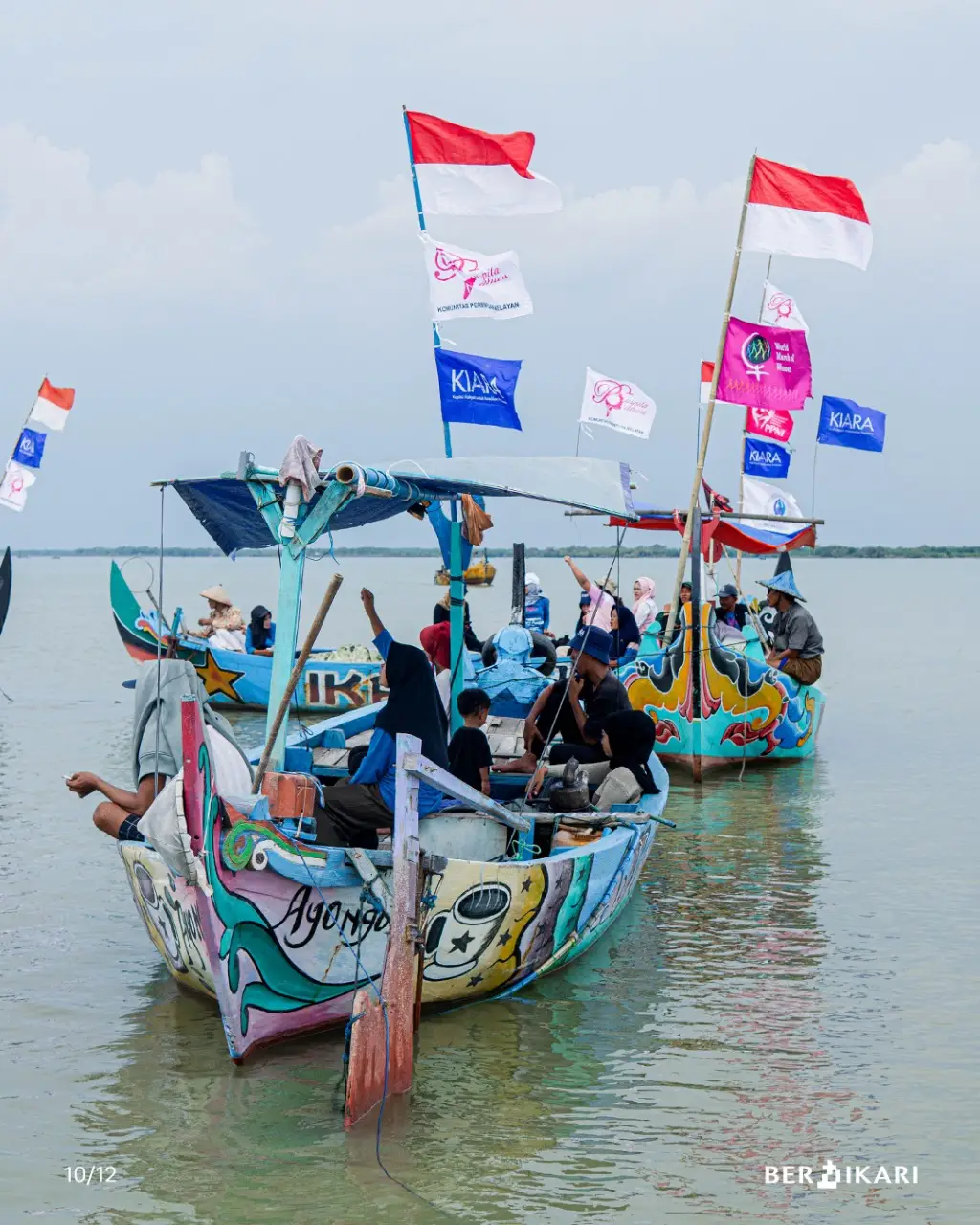
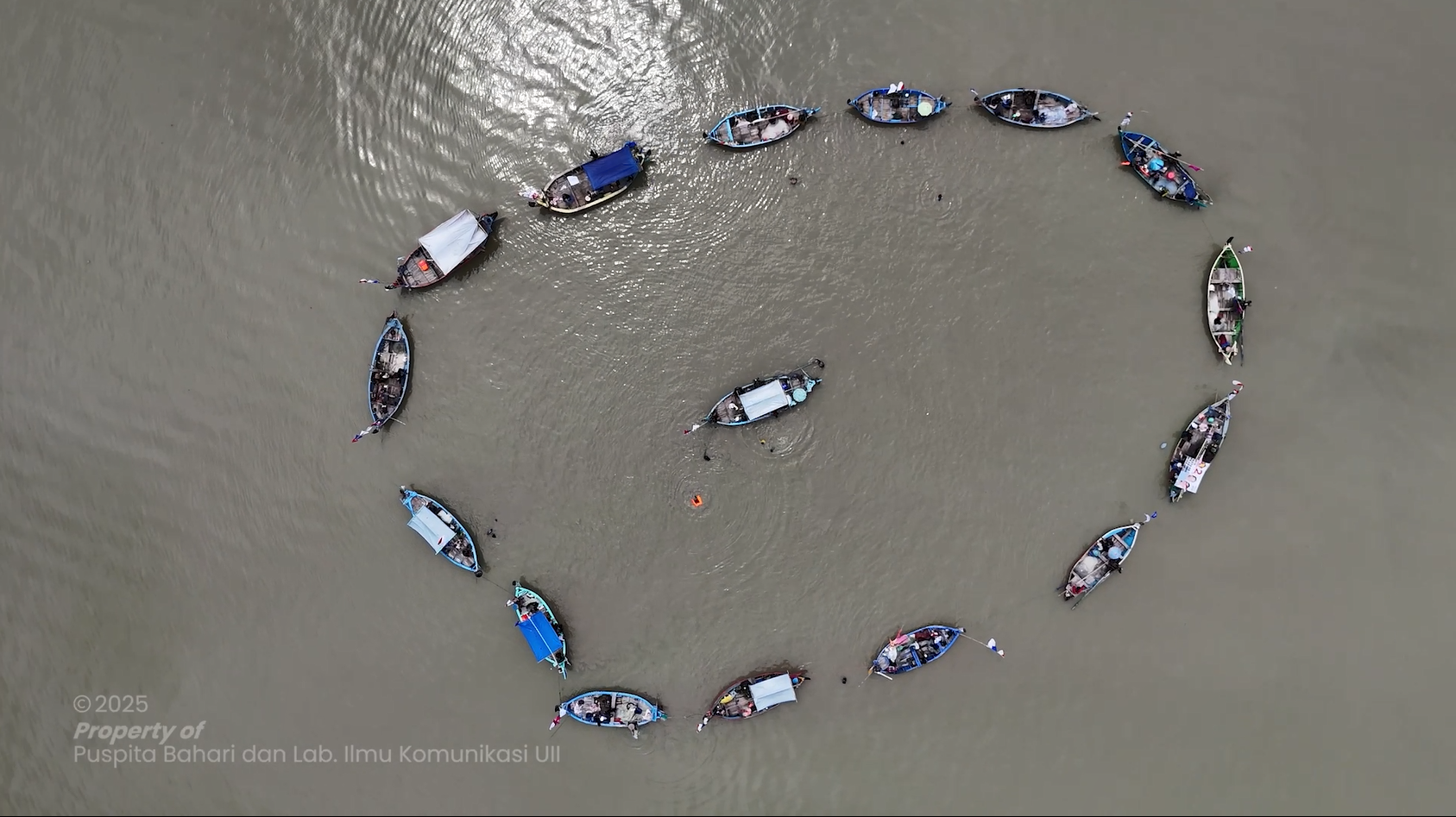
Fisherwomen’s Boat Parade: Commemorating the 16 Days of Activism Against Gender-Based Violence
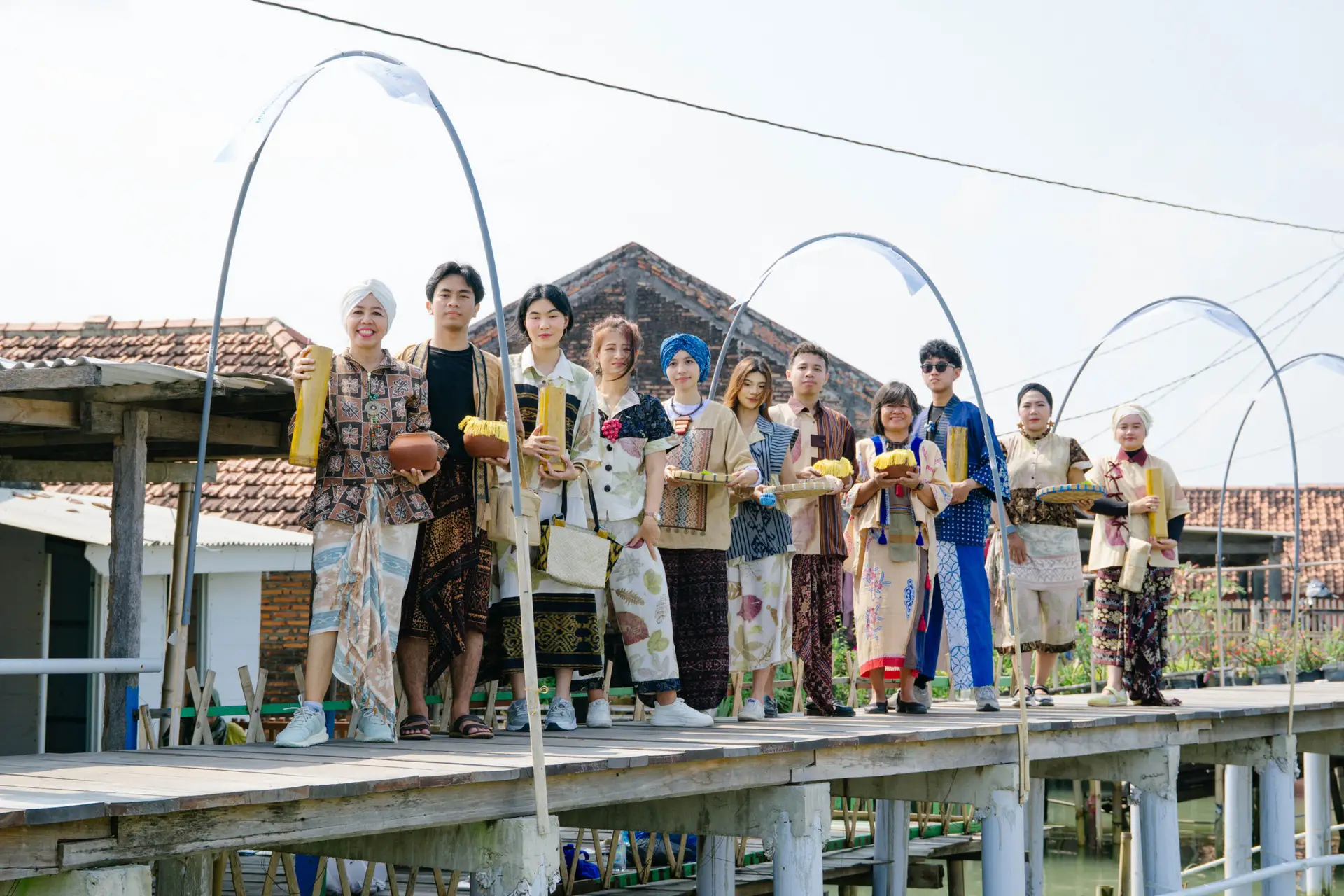
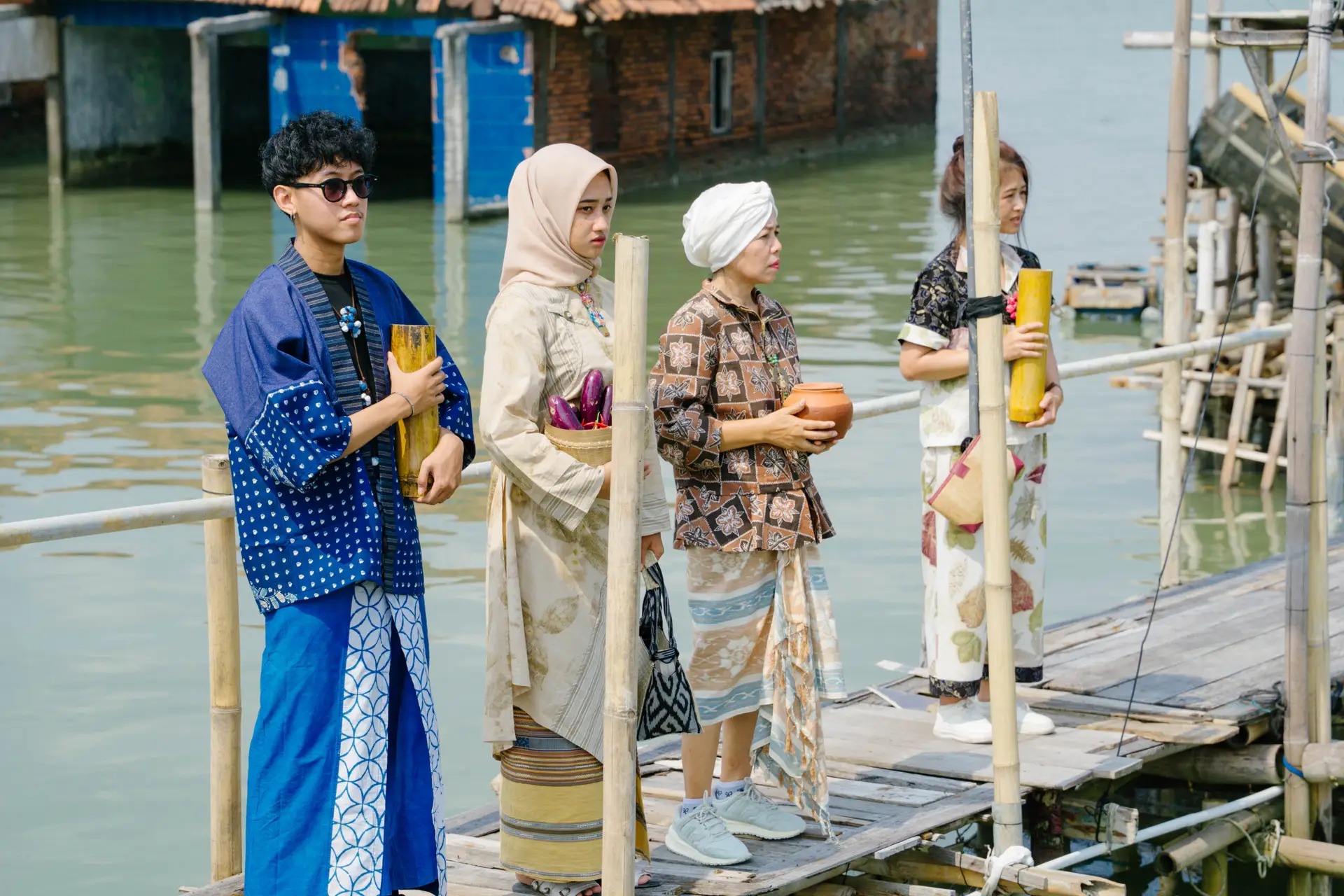
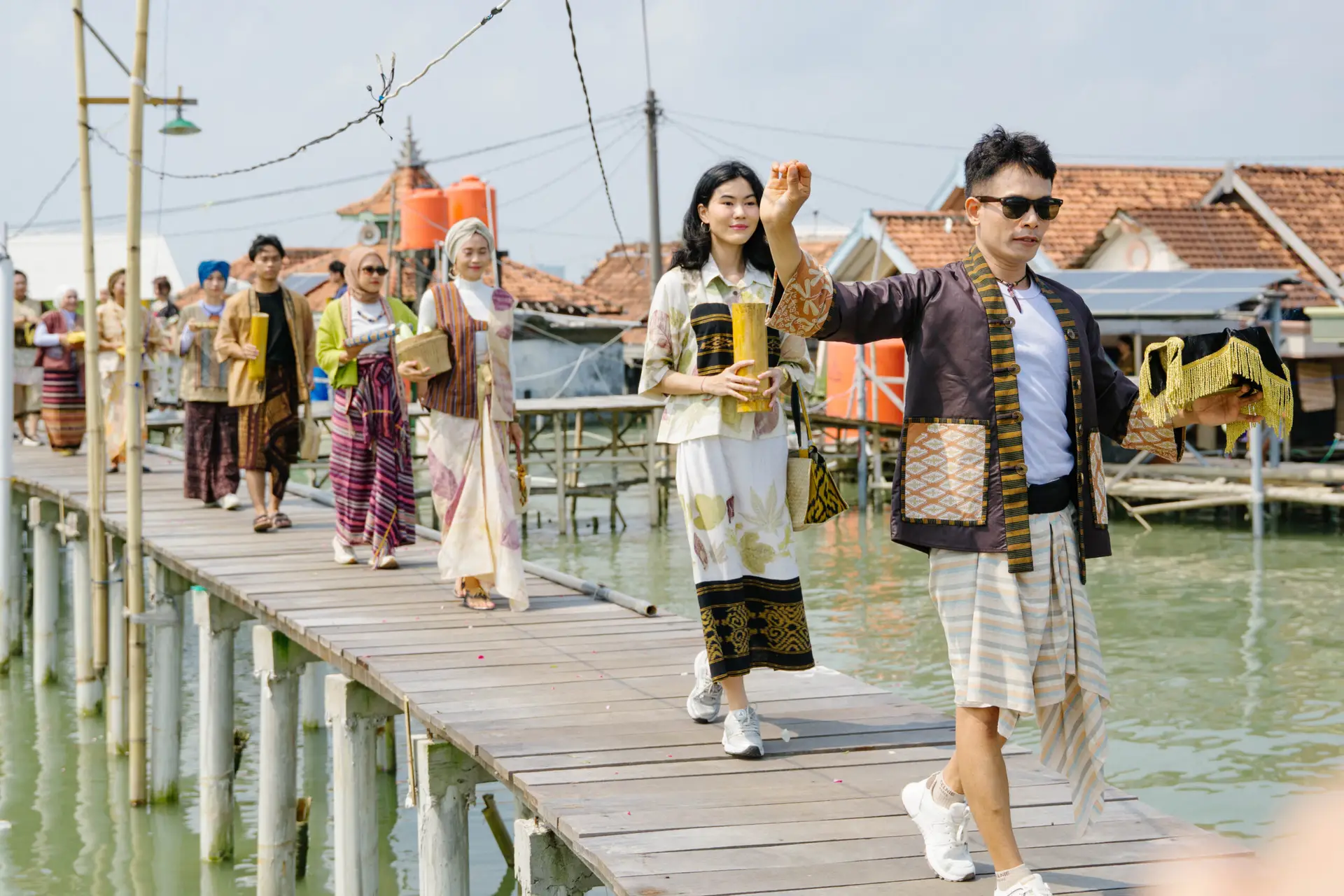
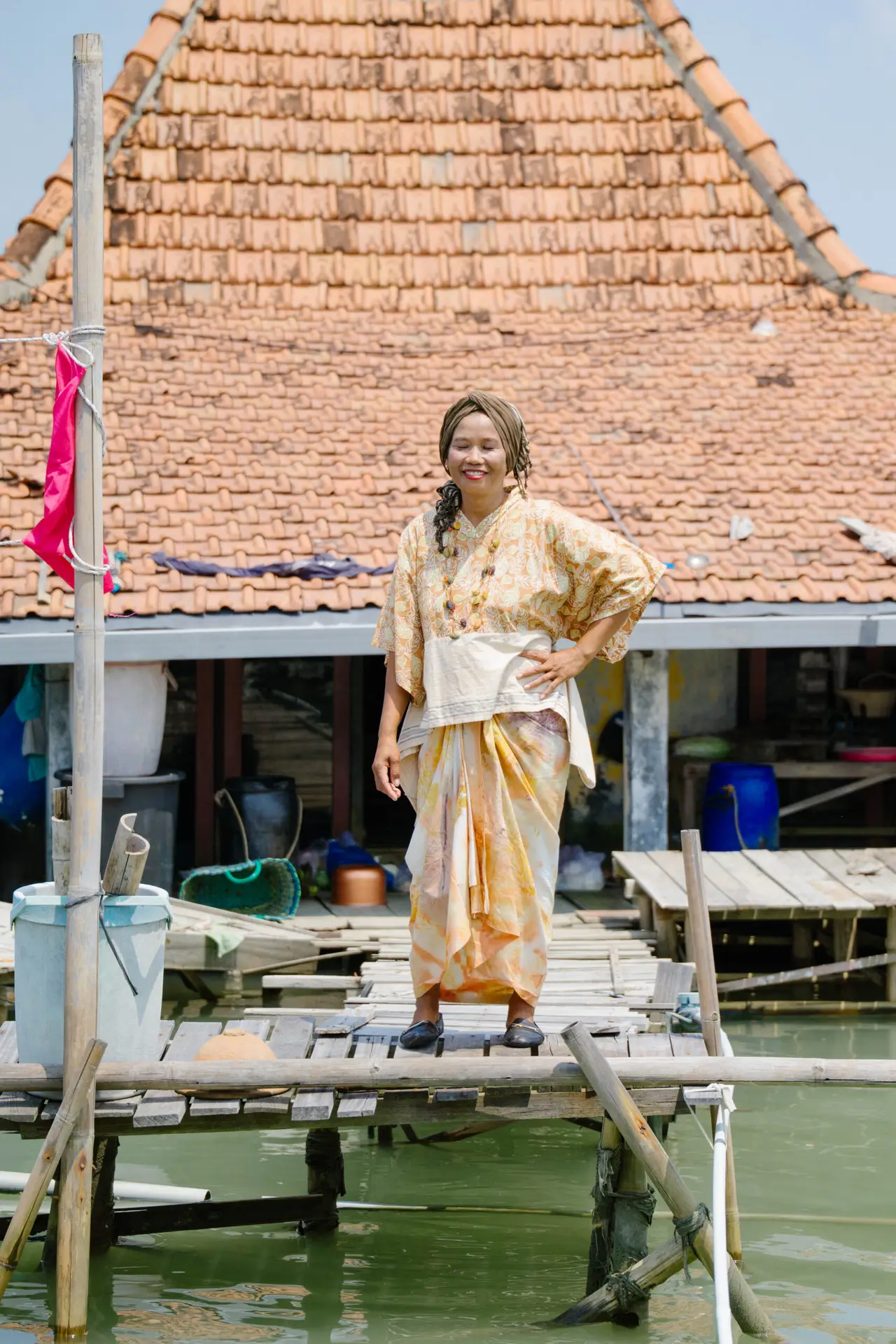
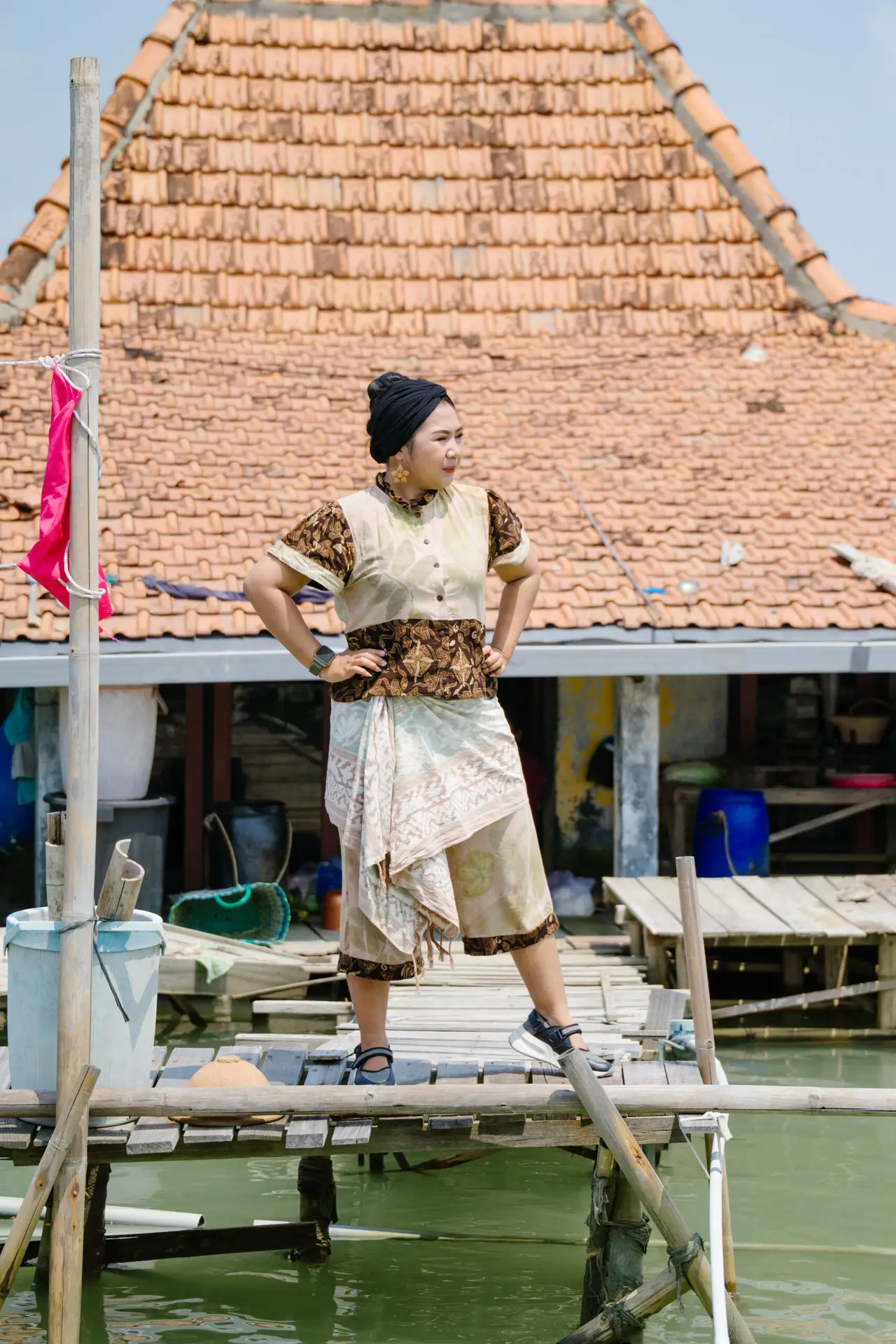
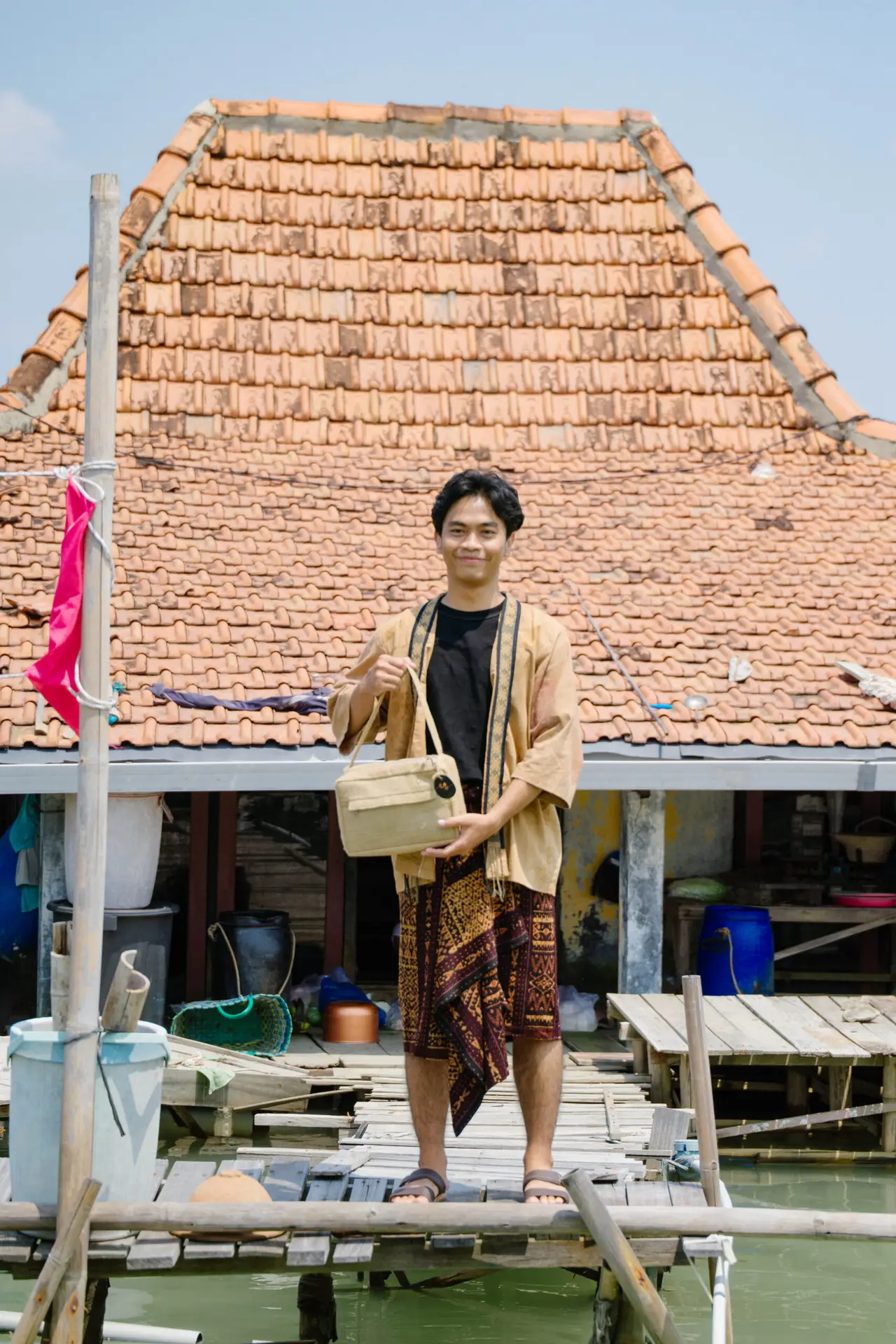
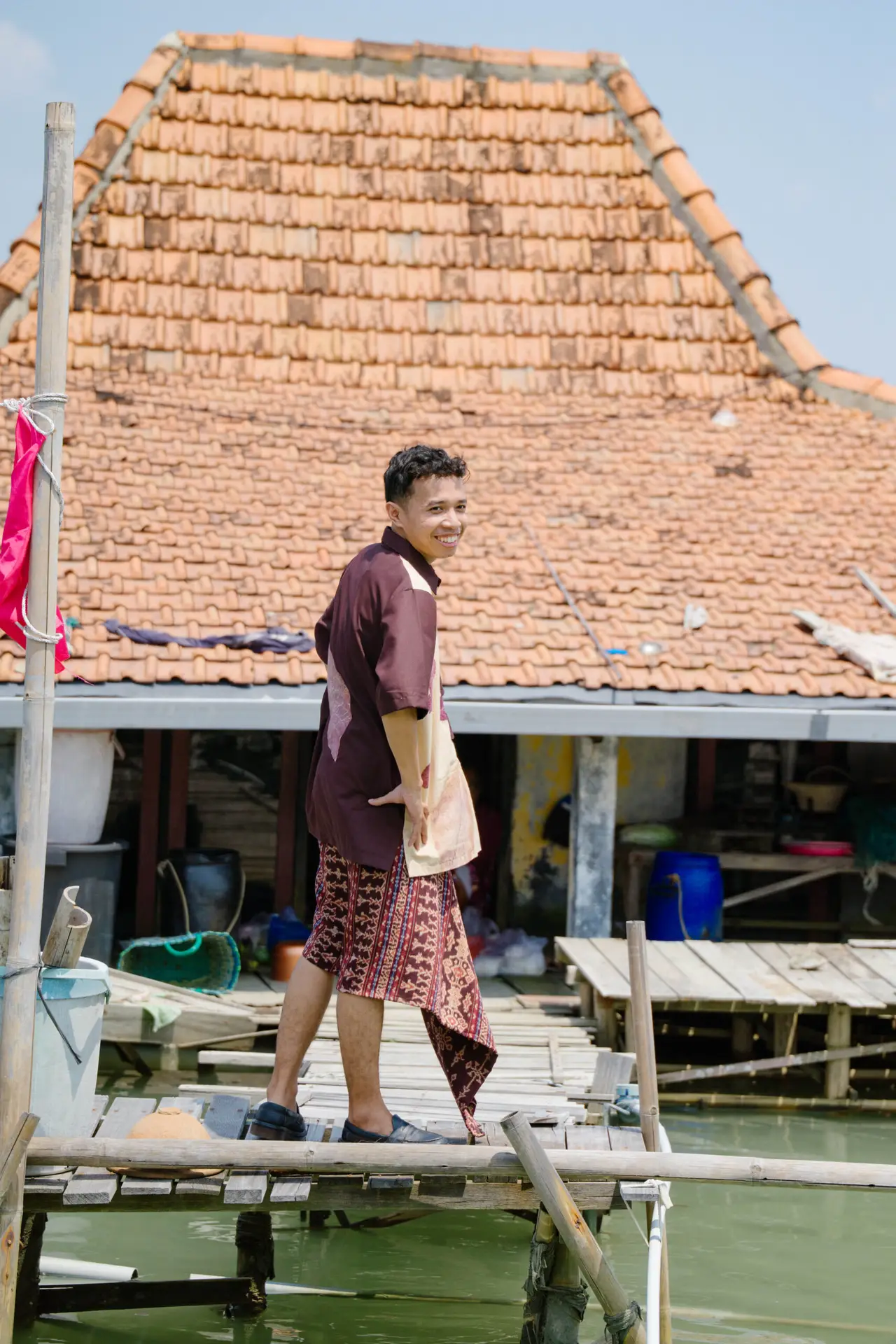
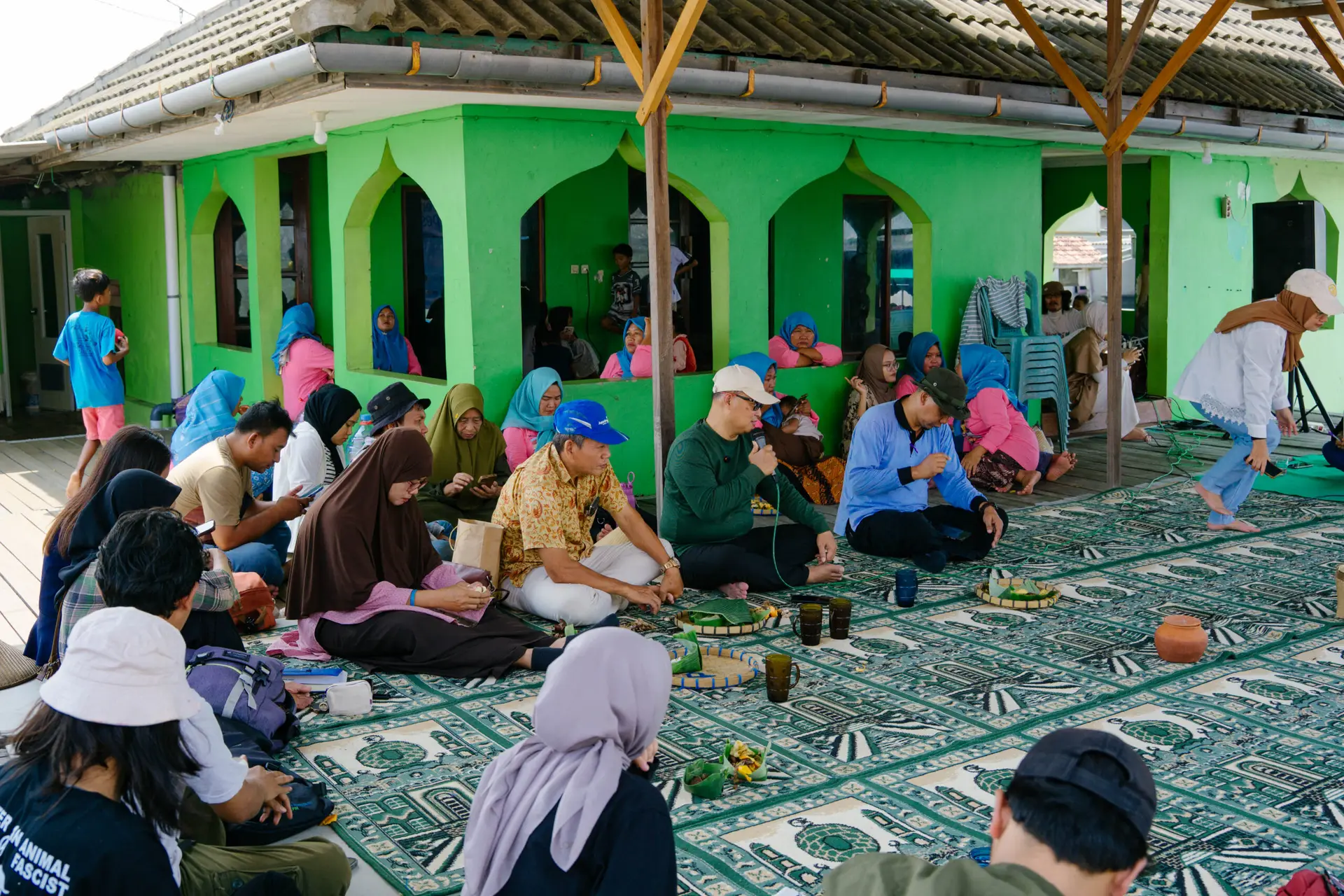
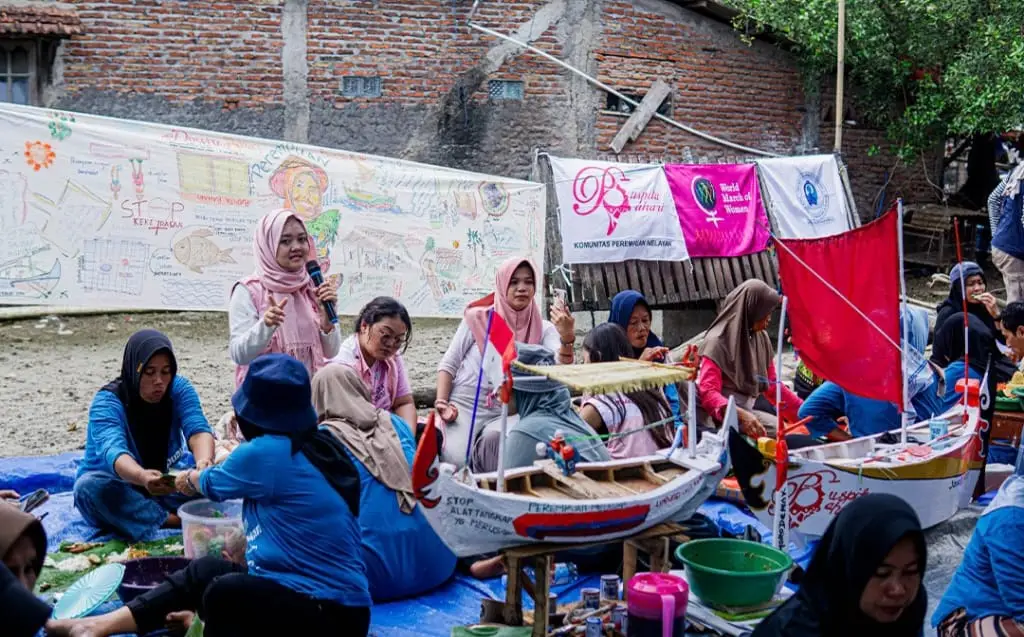
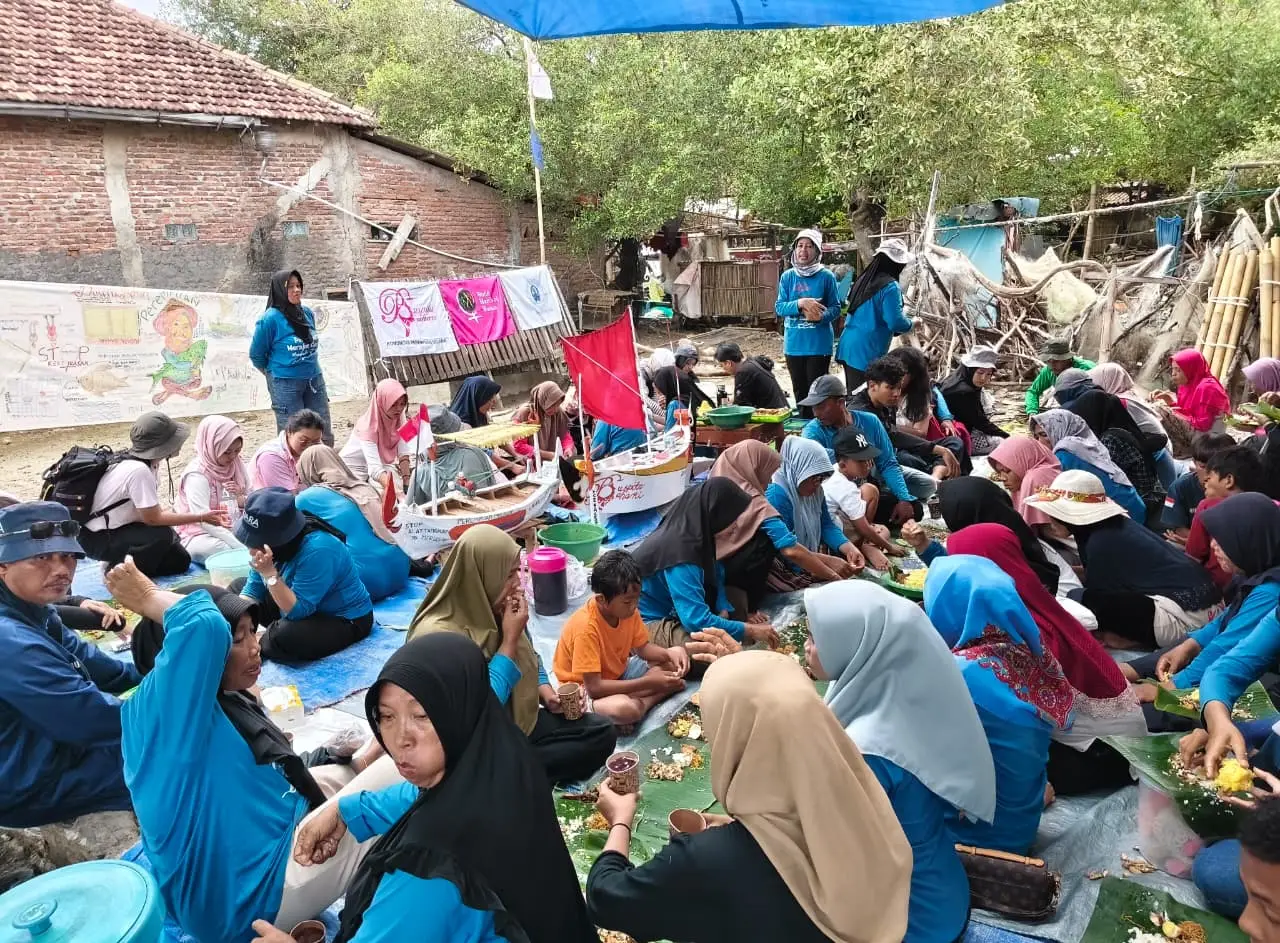
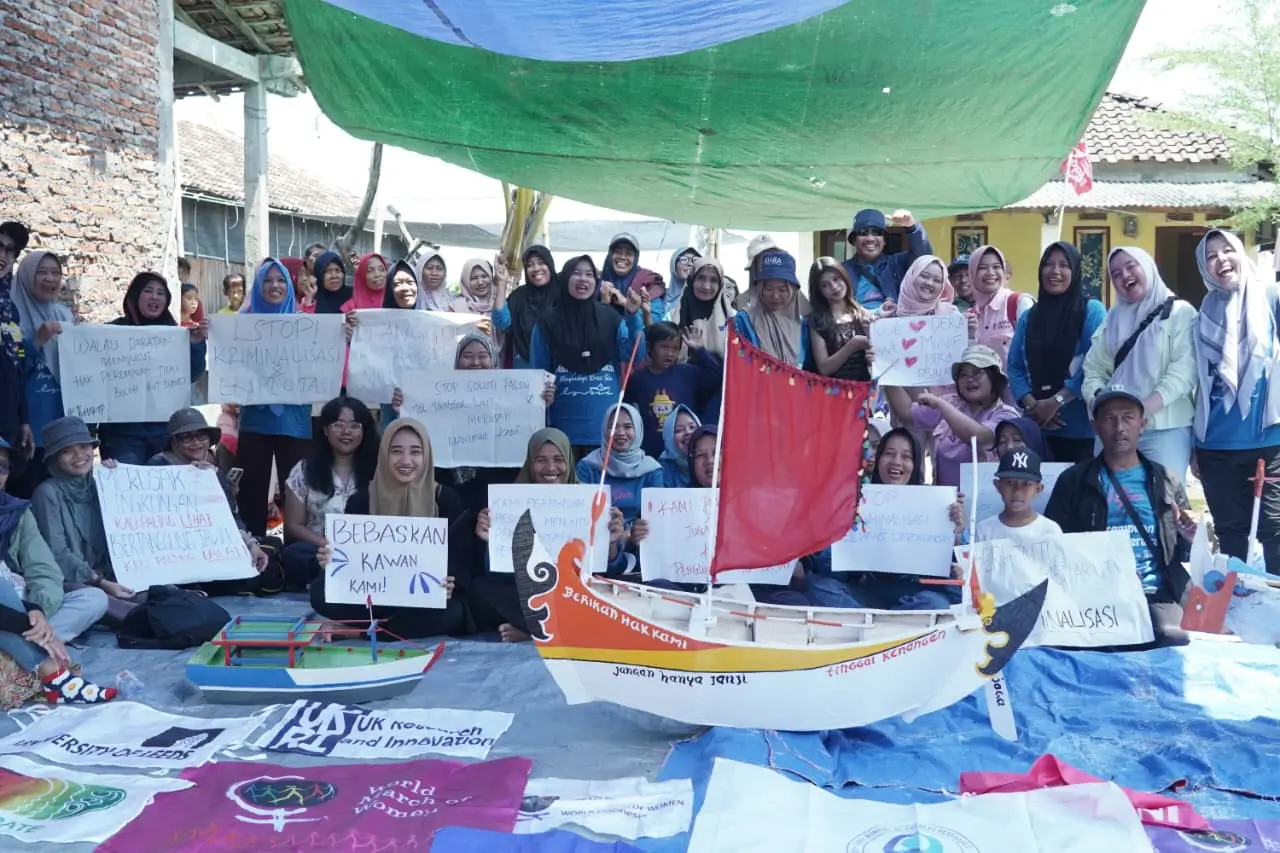
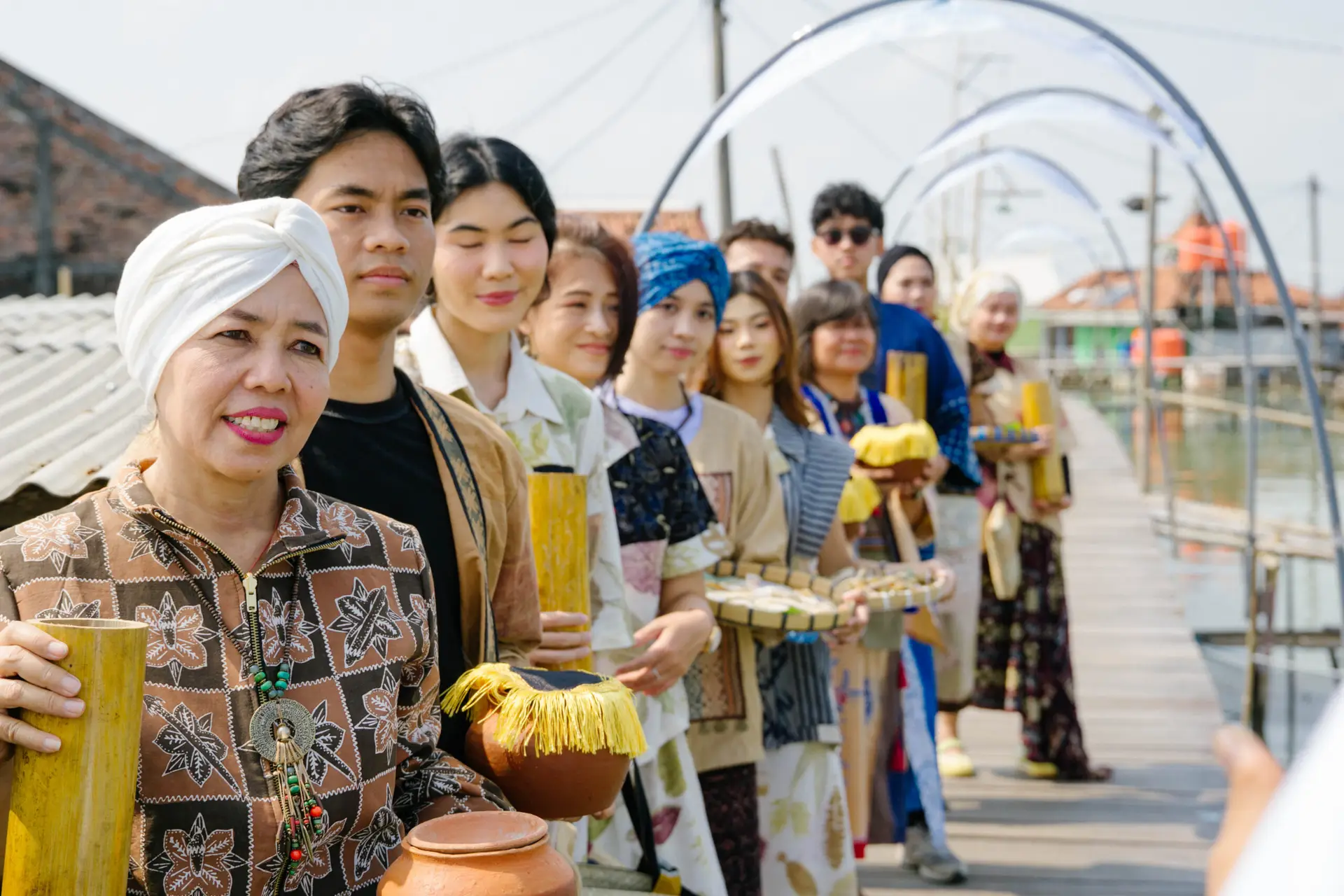
Held in Tambak Polo Hamlet and the coastal waters of Morodemak, Central Java, the event brought together around 120 participants, including fisherwomen, civil society organisations, women’s groups, student organisations, and media partners. The parade symbolised resistance against coastal exploitation and highlighted the lived realities of communities facing the intersecting impacts of environmental degradation, climate crisis, and gender injustice. More than a symbolic action, it served as a powerful platform for visibility, advocacy, and collective resistance, amplifying the voices of coastal women in the fight for gender and climate justice.
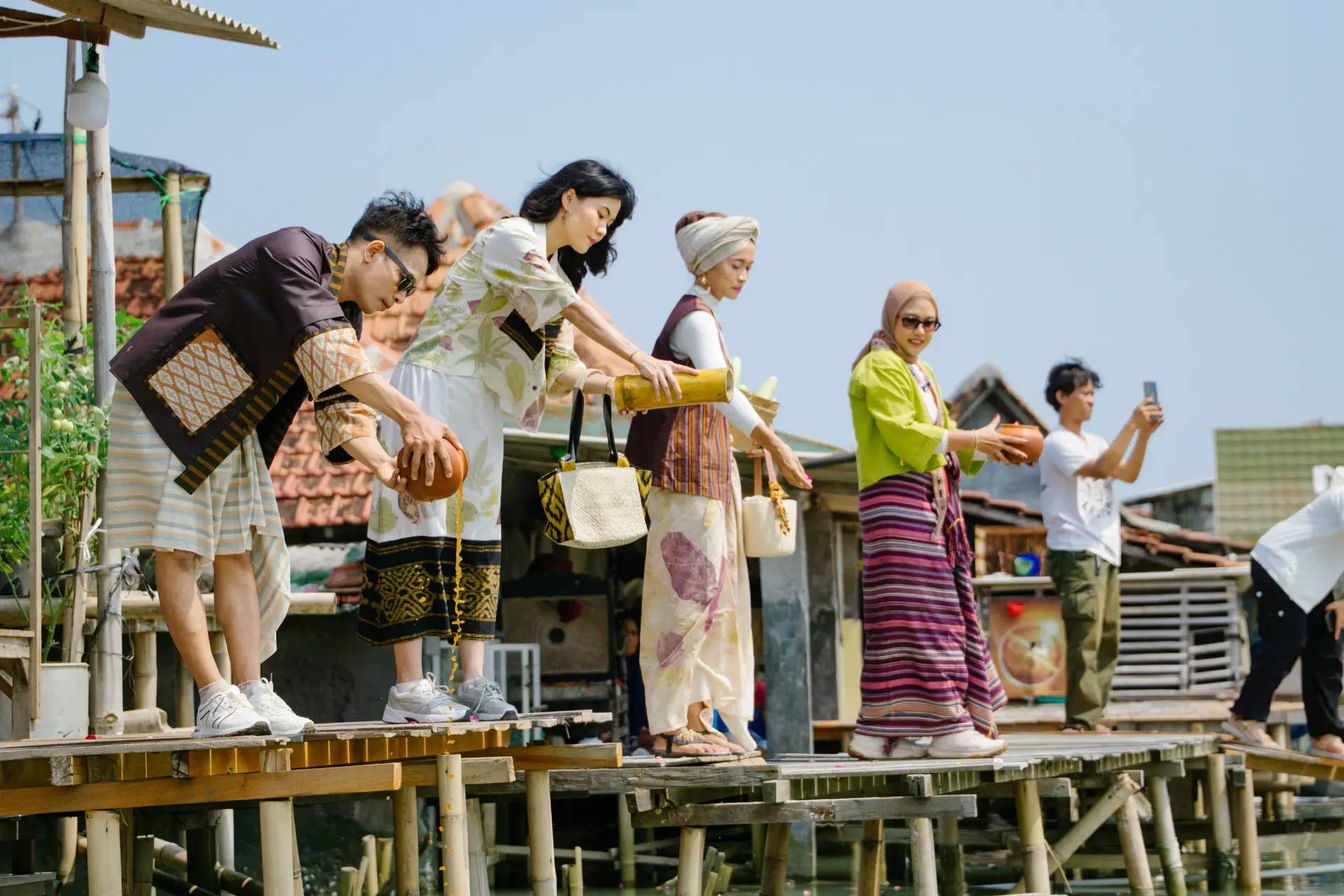
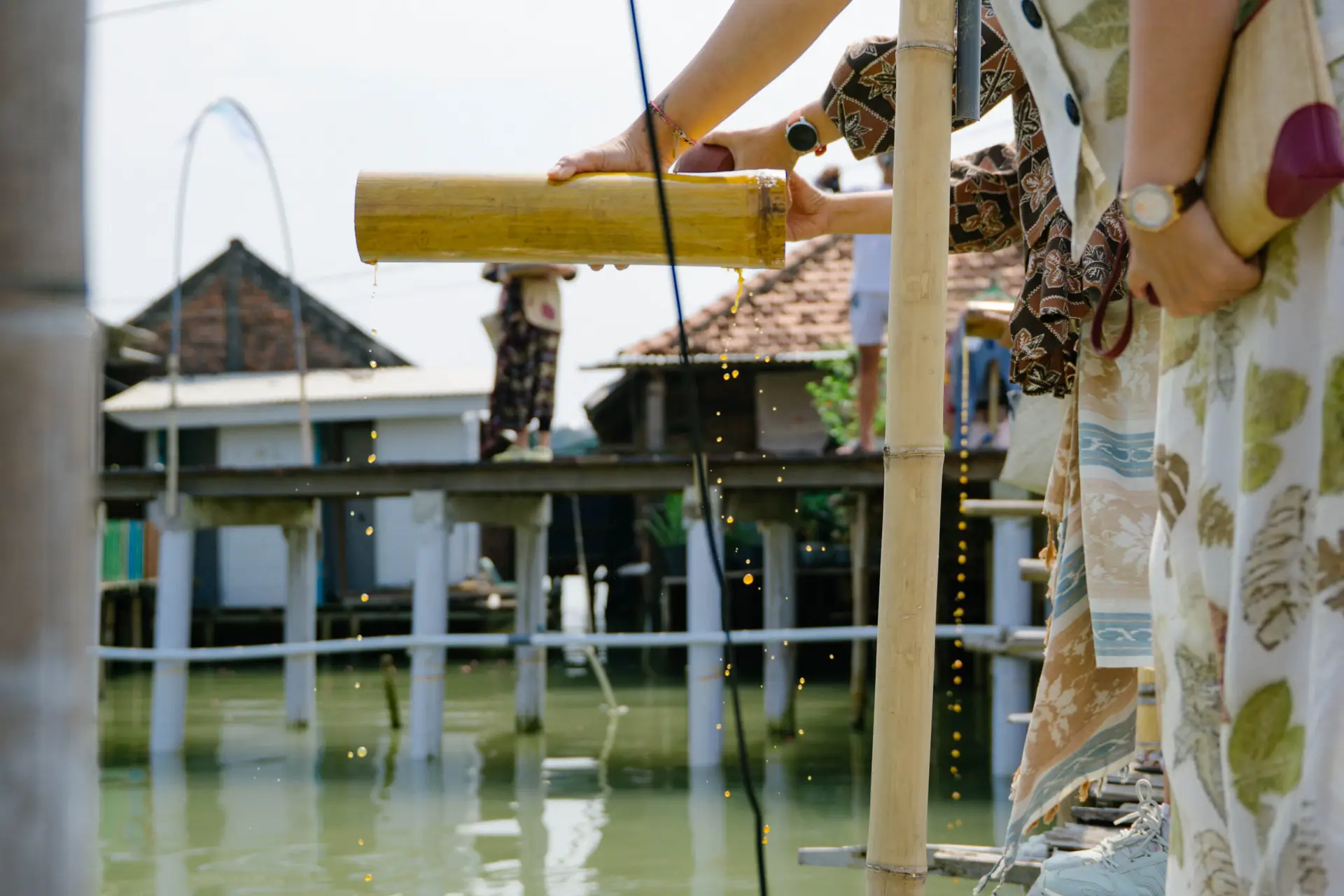
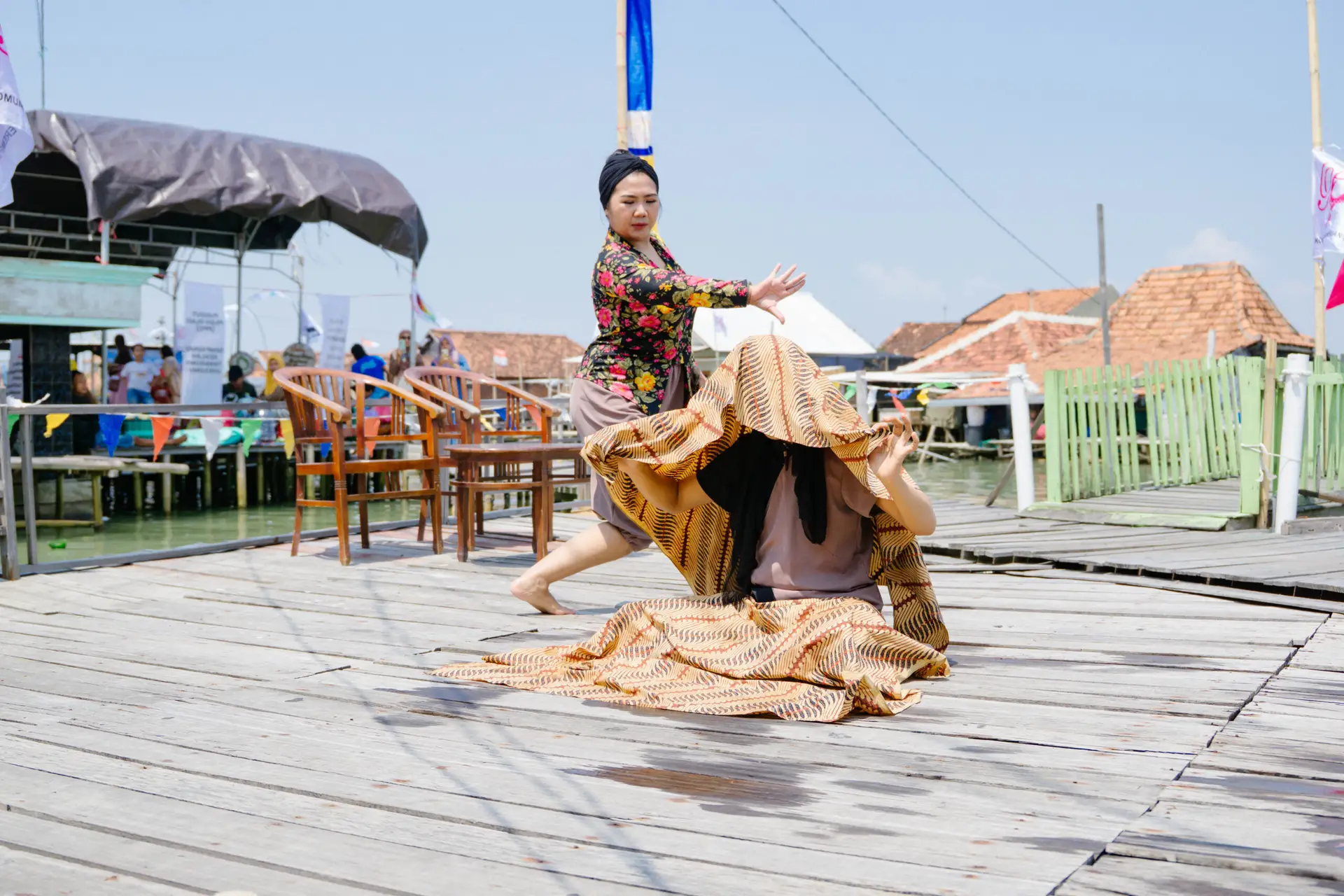
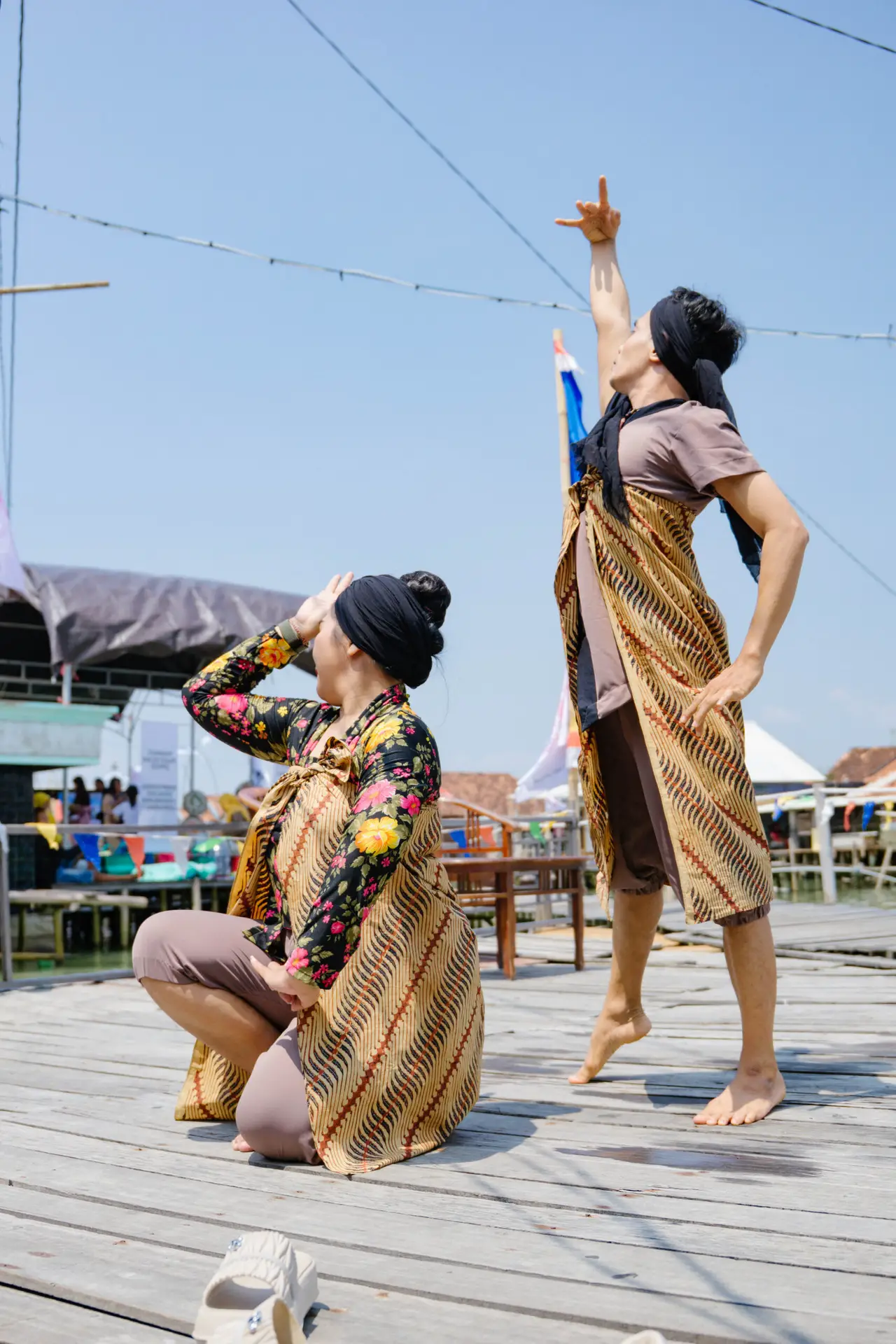
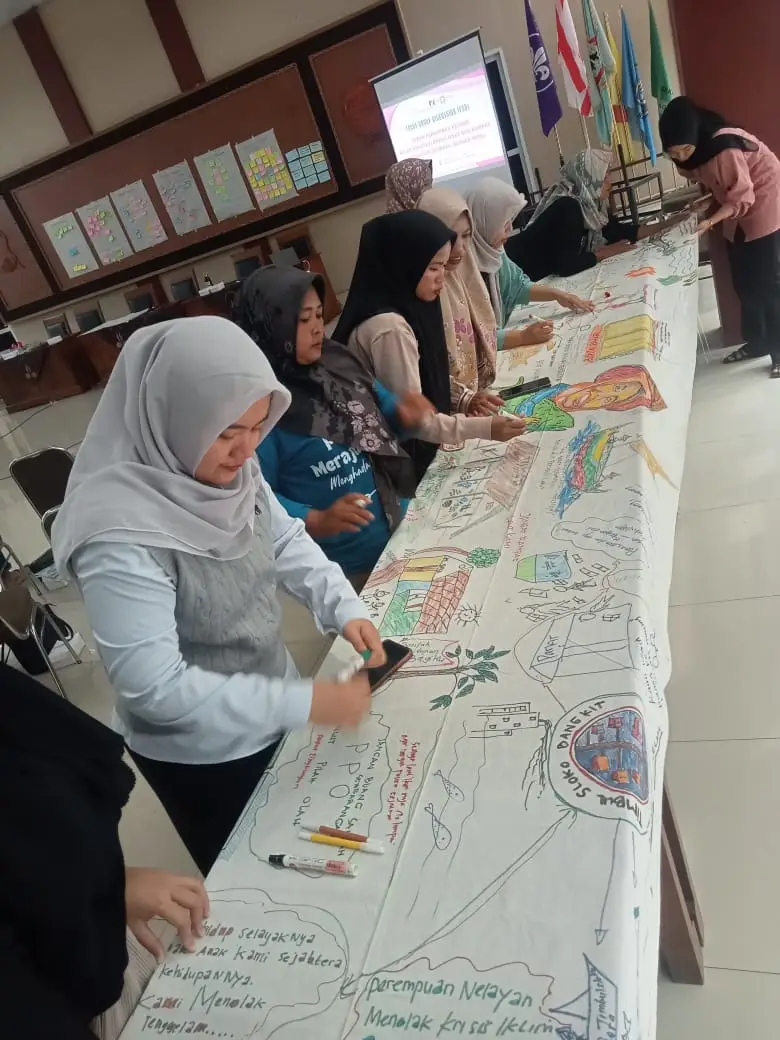
The Parade of 16 Fisherwomen’s Boats was also designed as a space for advocacy and movement-building among coastal women. This initiative seeks to amplify public understanding of how extractive development and the climate crisis disproportionately affect fisherwomen, while positioning the women’s movement in Demak as part of broader struggles for women’s rights and human rights in Indonesia and beyond. The event combined sea protest, public speeches, and coastal discussions with cultural practices such as painting messages of hope on mini boat replicas, a brokohan tumpeng ceremony, and bancaan nasi branjangan. These traditions reflect gratitude, collective prayer, humility, and togetherness, while honouring the earth and the sea as vital sources of life, reinforcing the deep connections between culture, community, and environmental justice.
Photographers: Kholil Wahyudi, Demak Berdikari, and Department of Communication Universitas Islam Indonesia.

Gotong Royong for the Coast: Fisherwomen Initiating Food and Waste Solutions
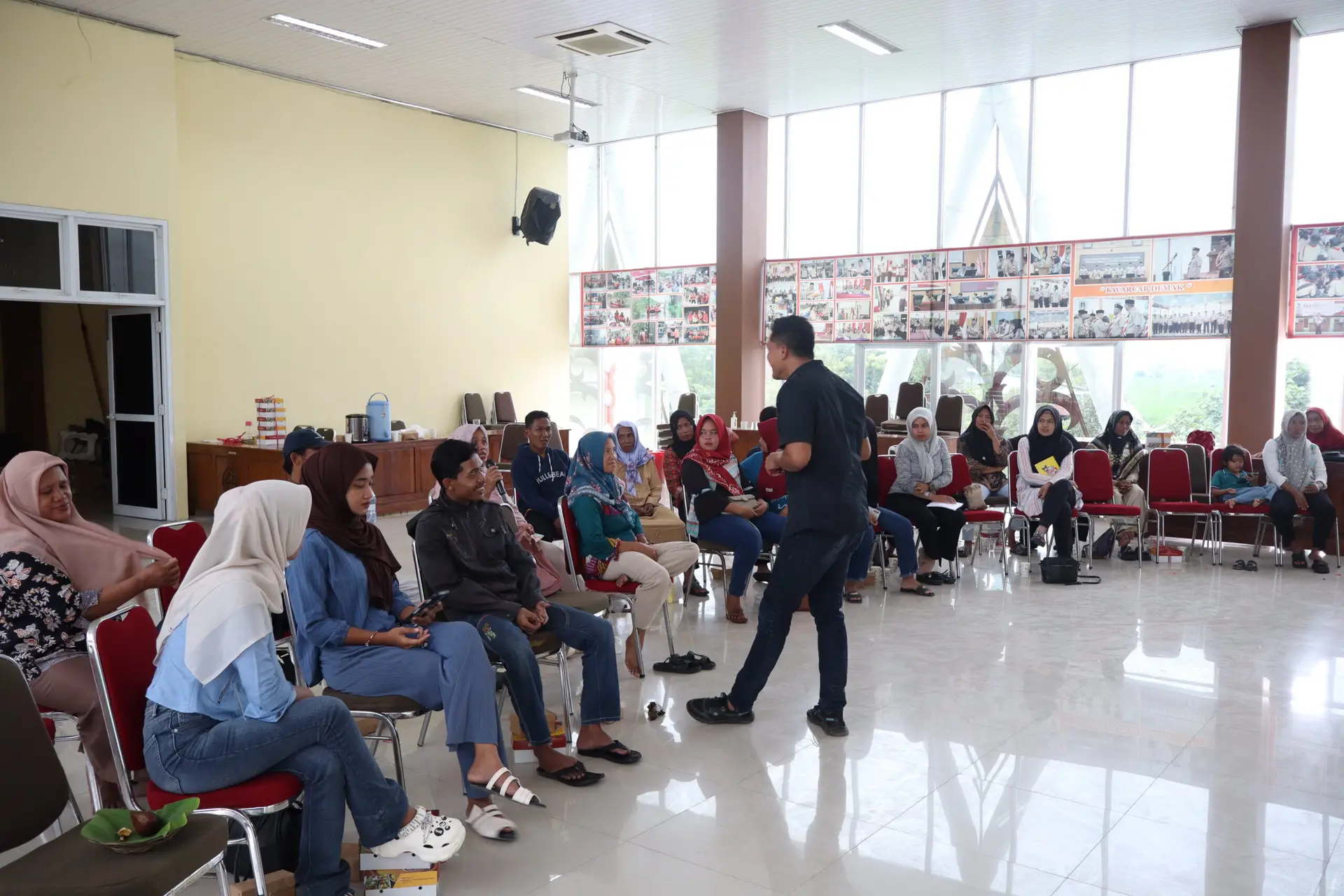
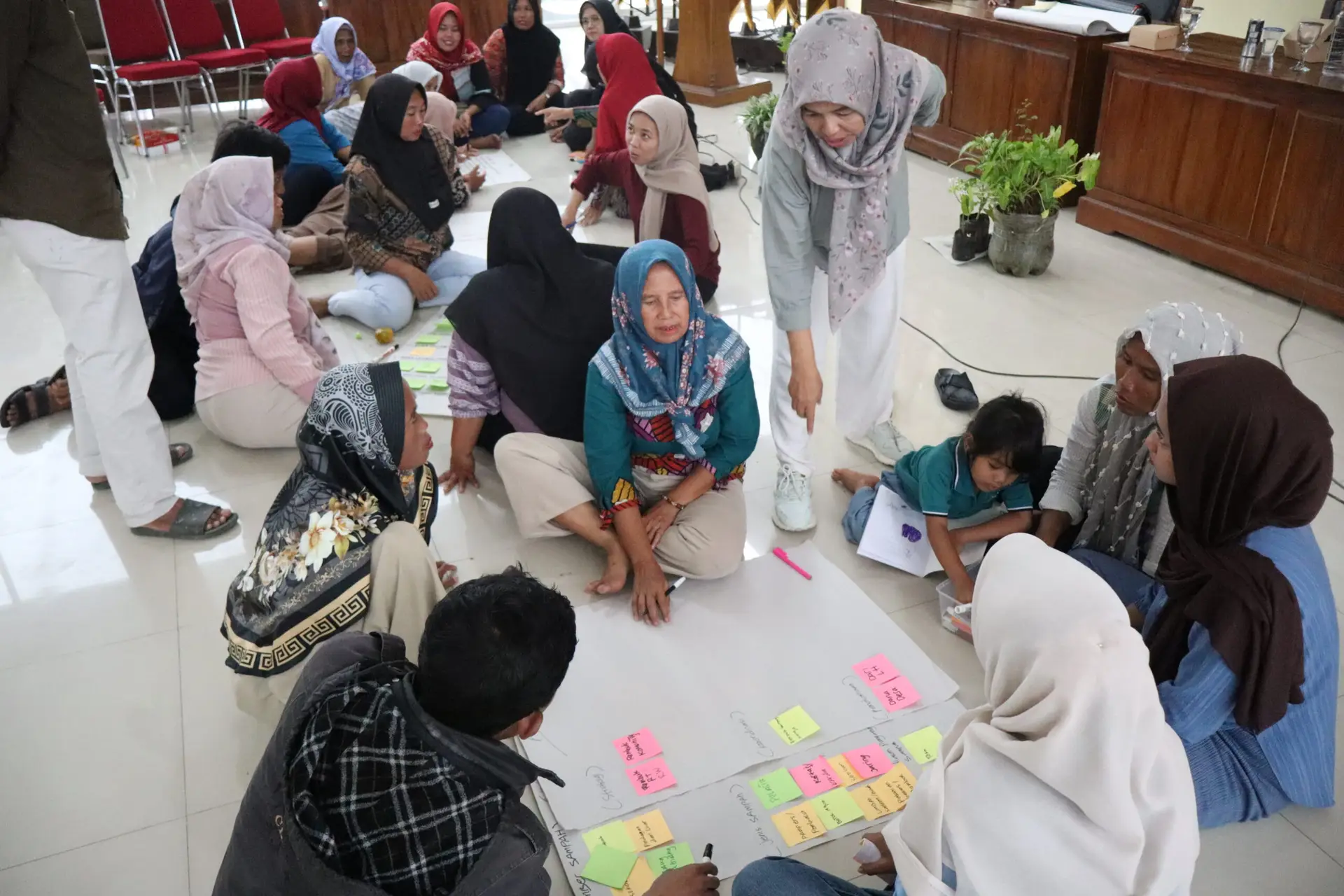
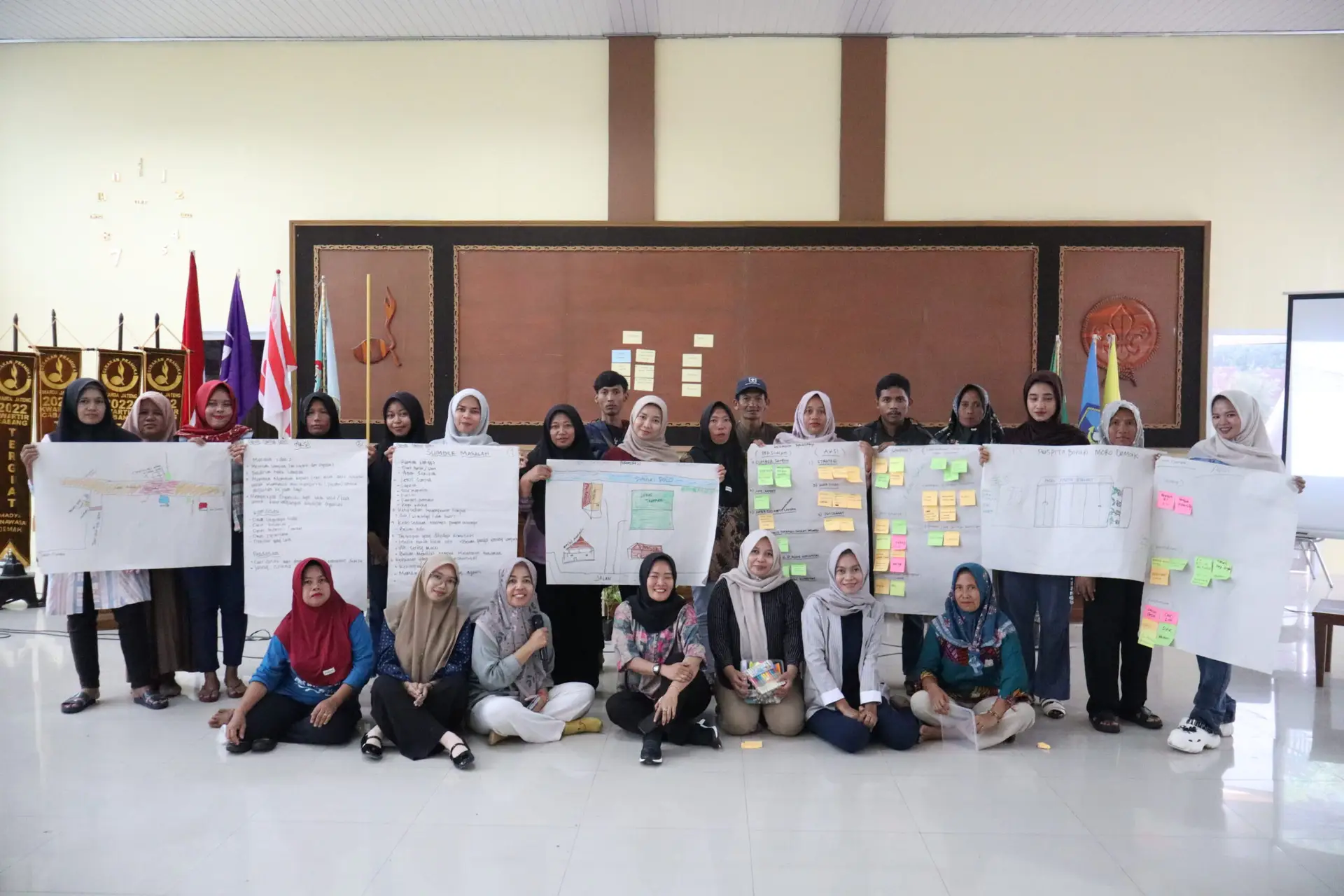
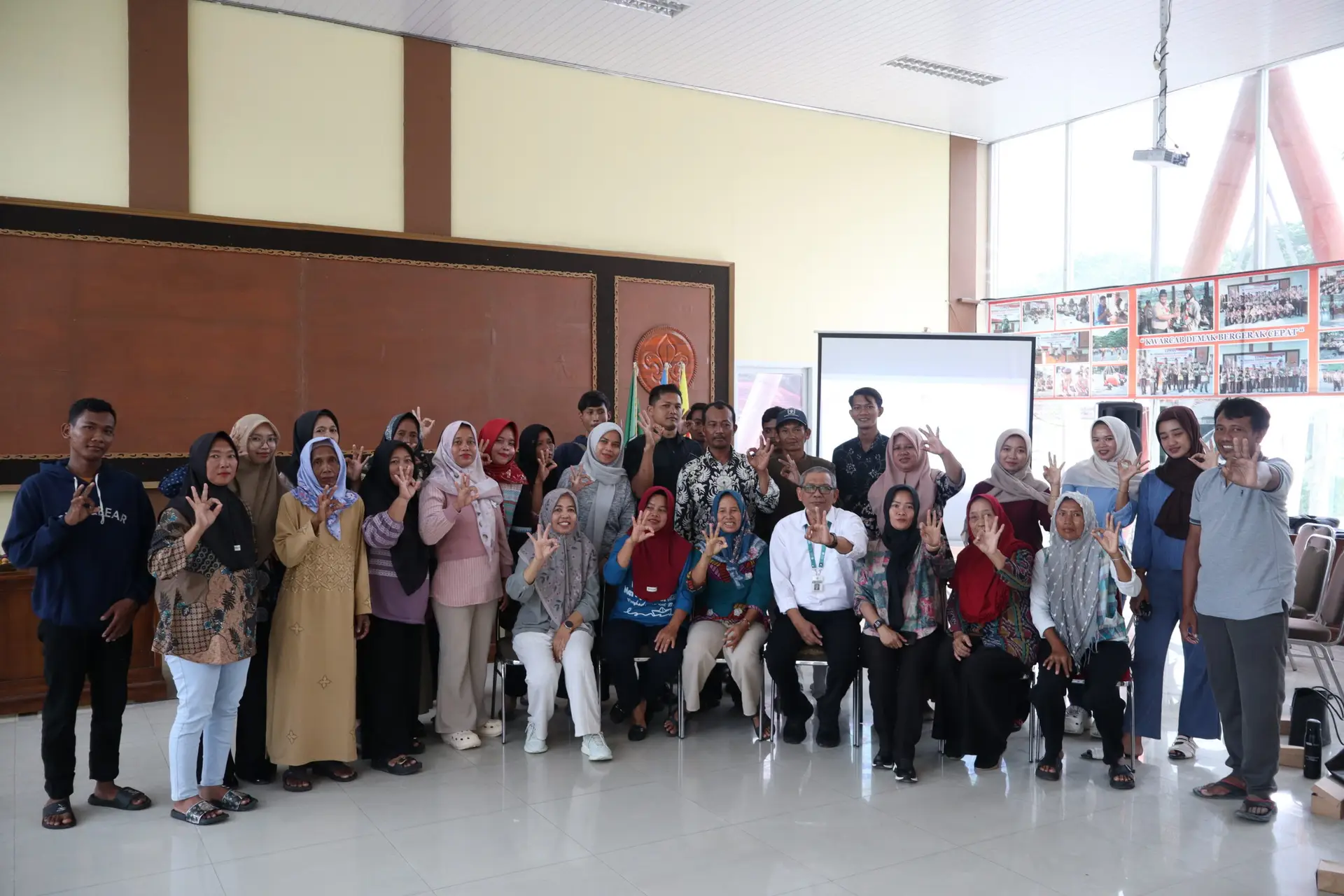
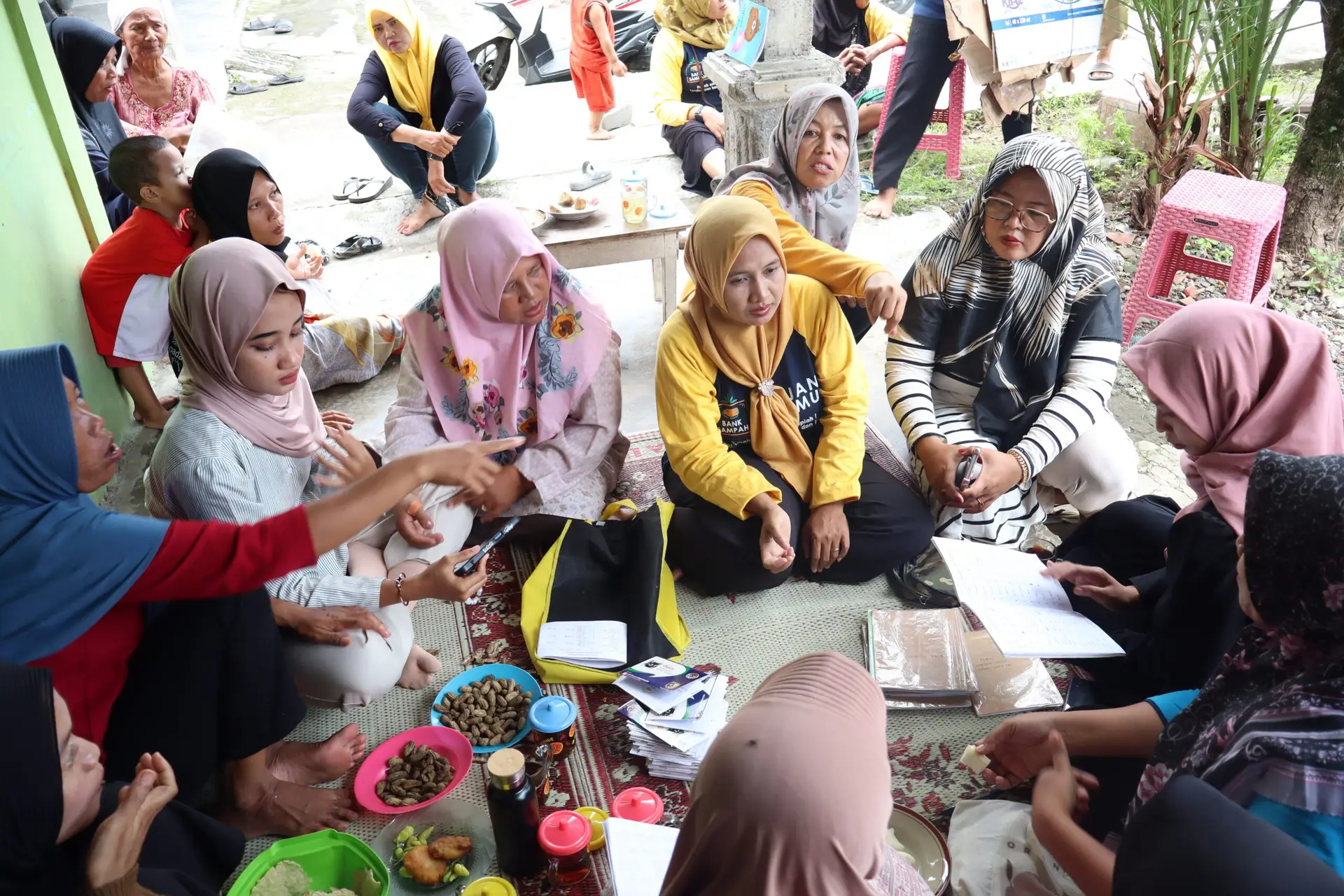
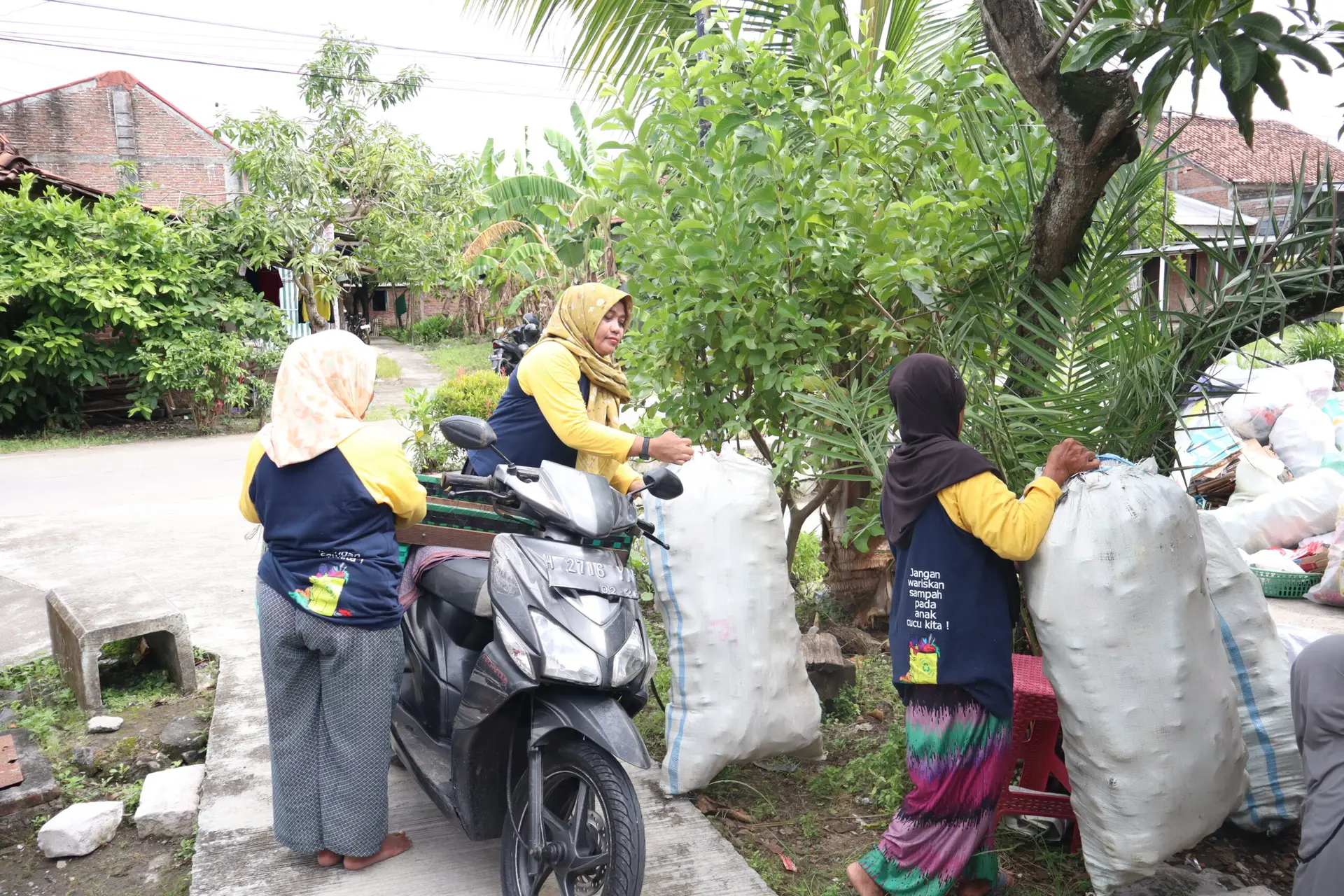
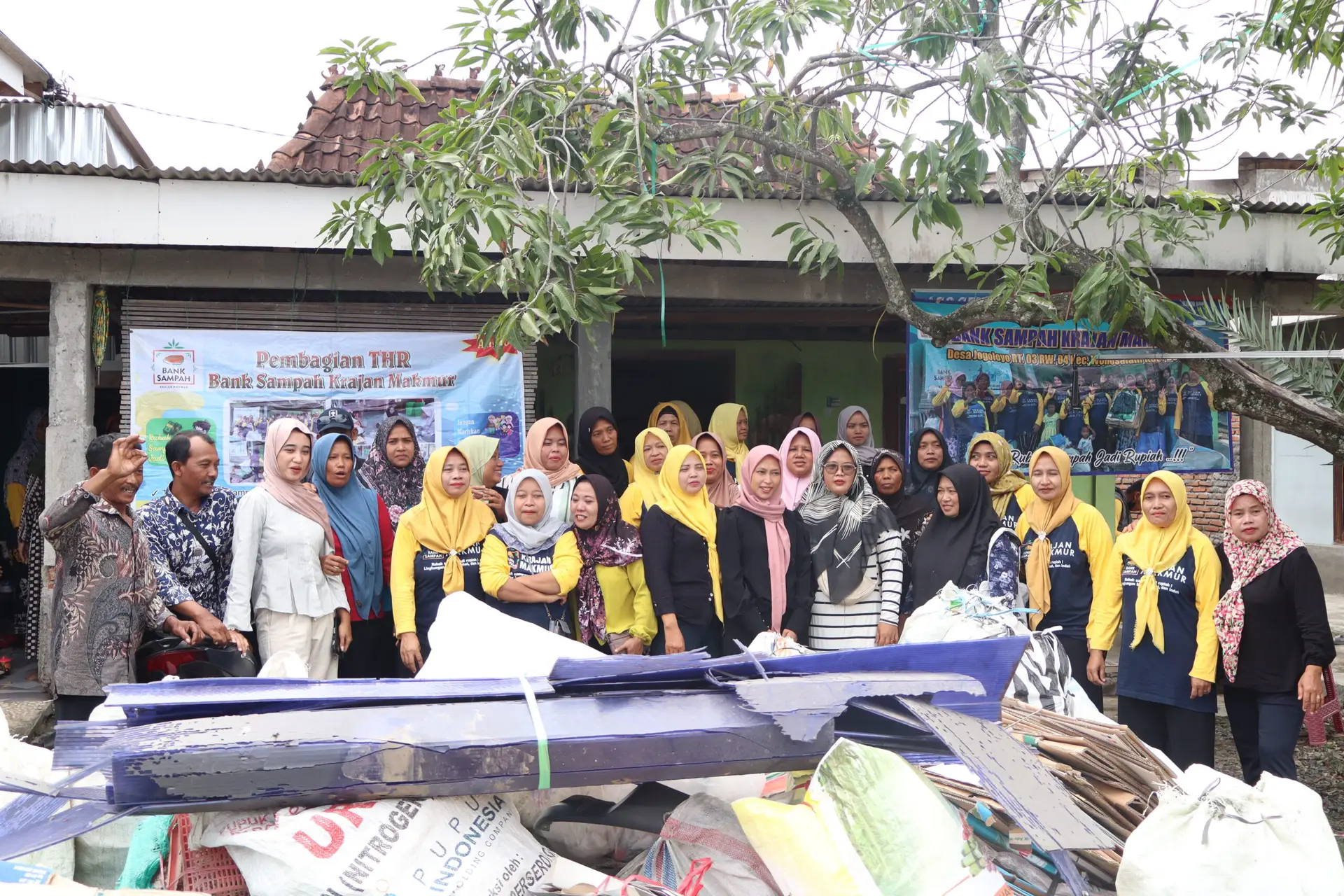
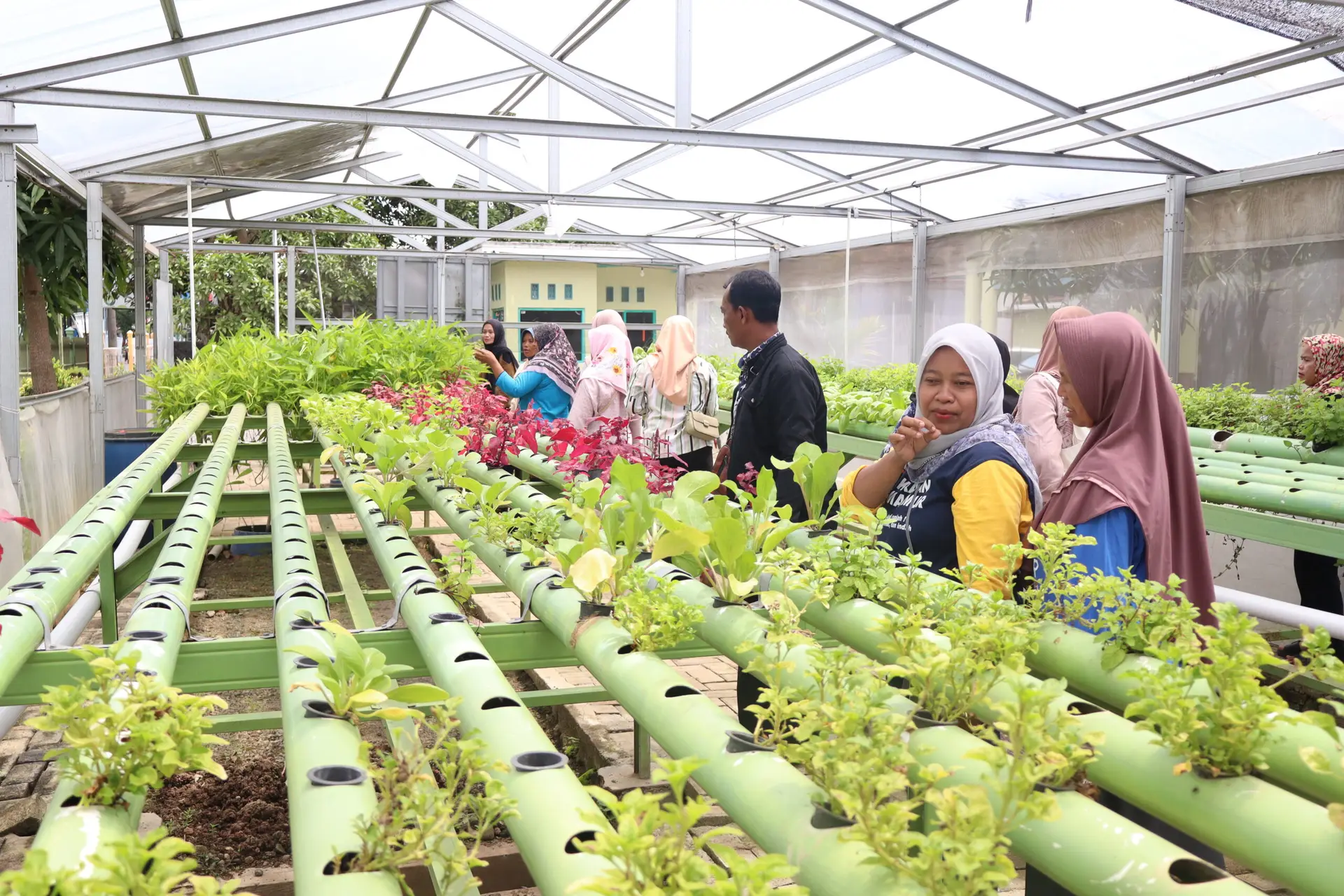
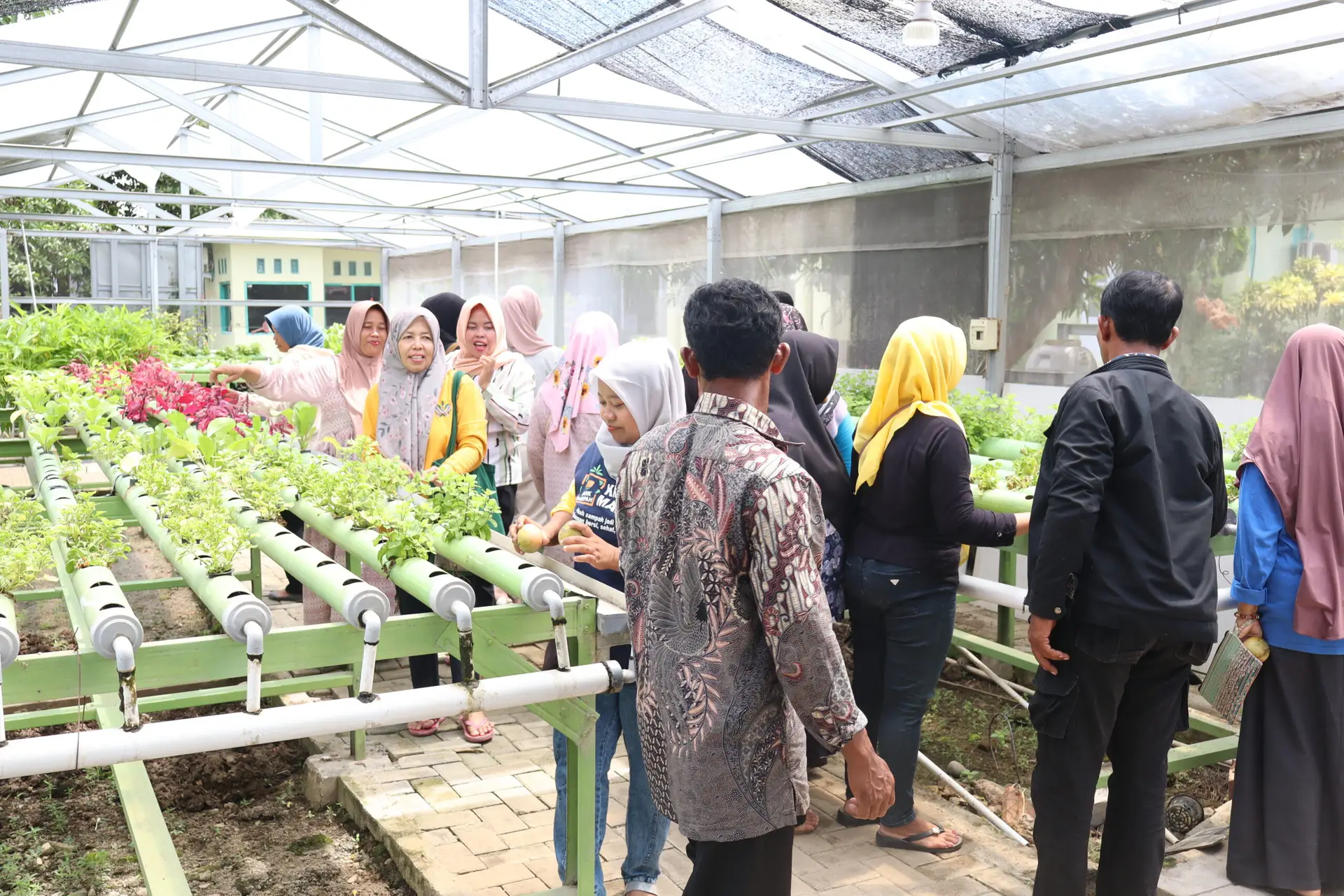
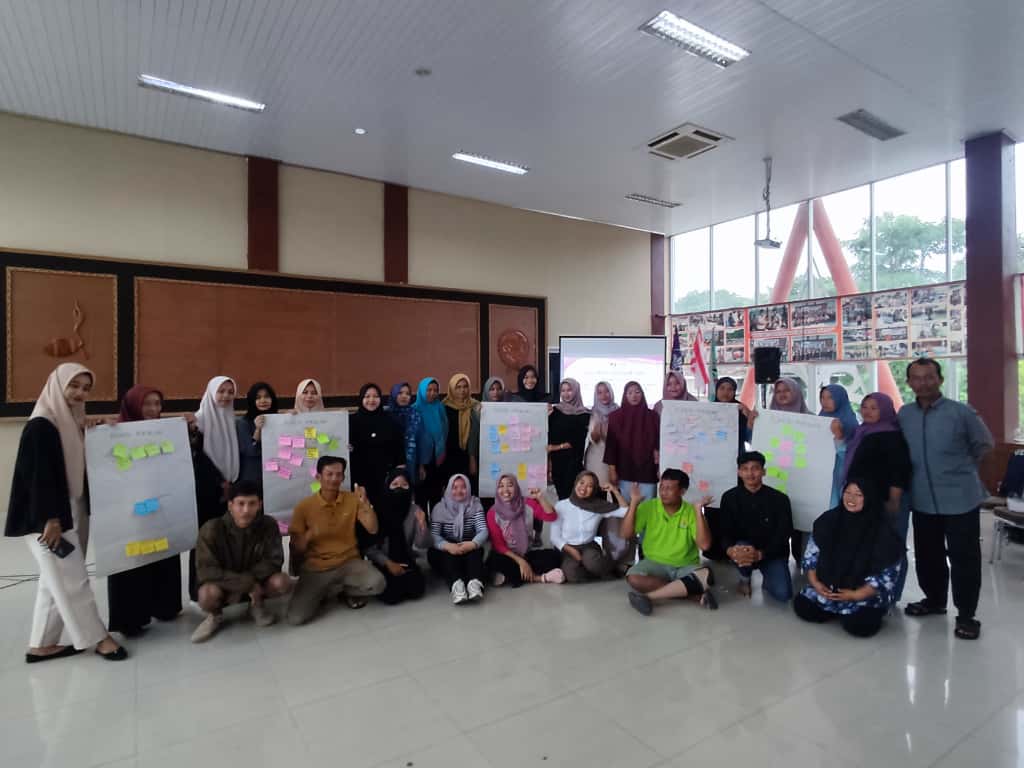
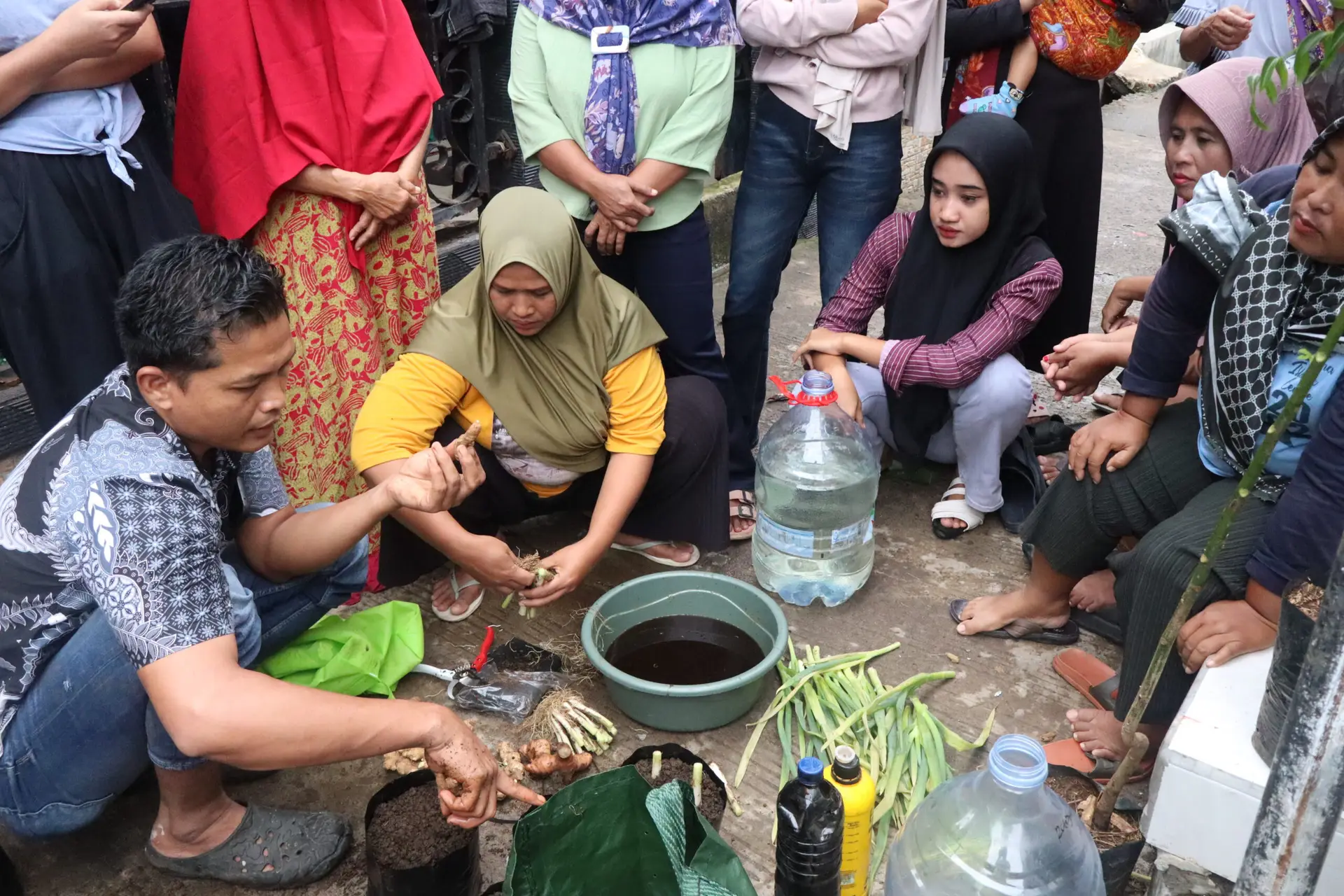
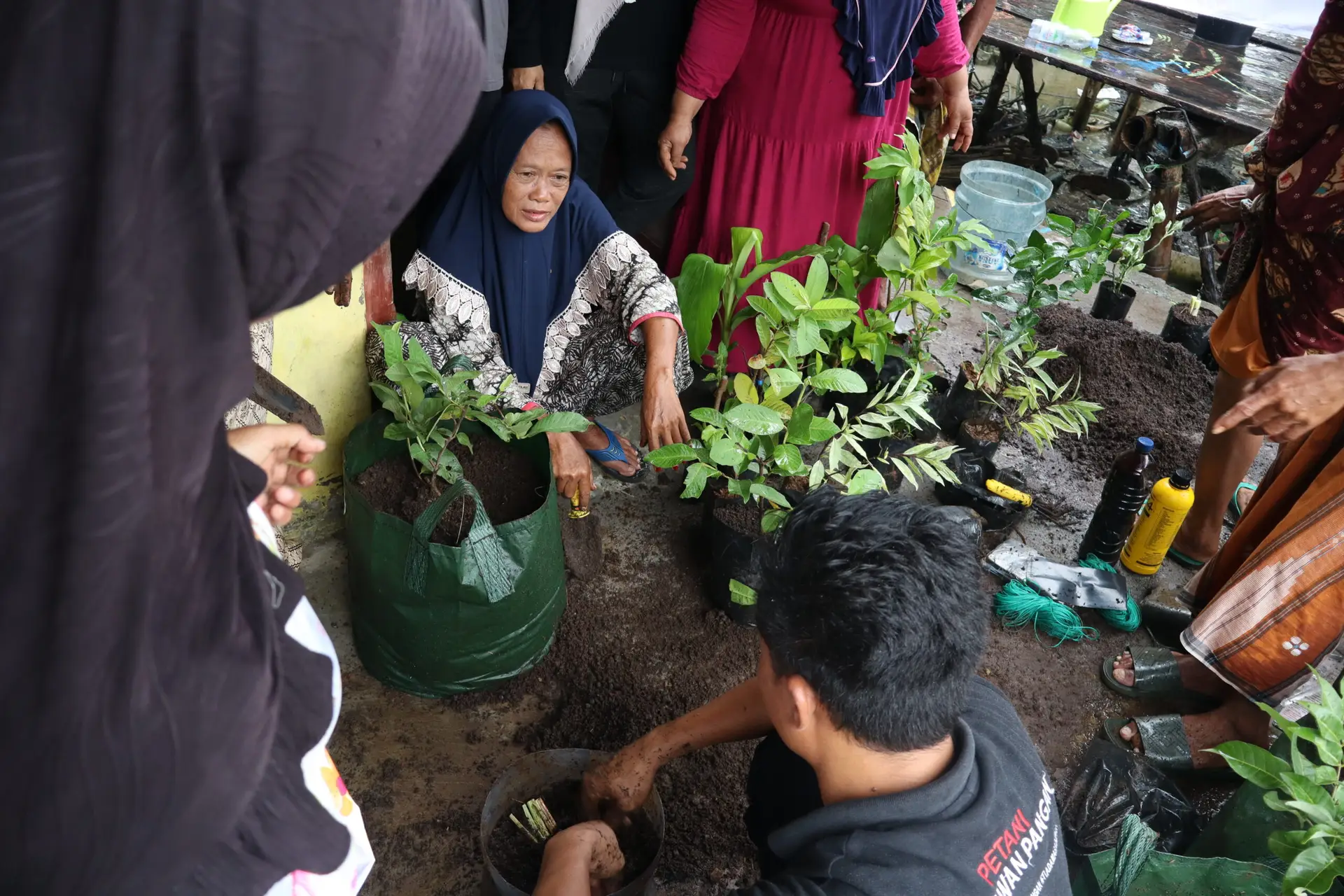
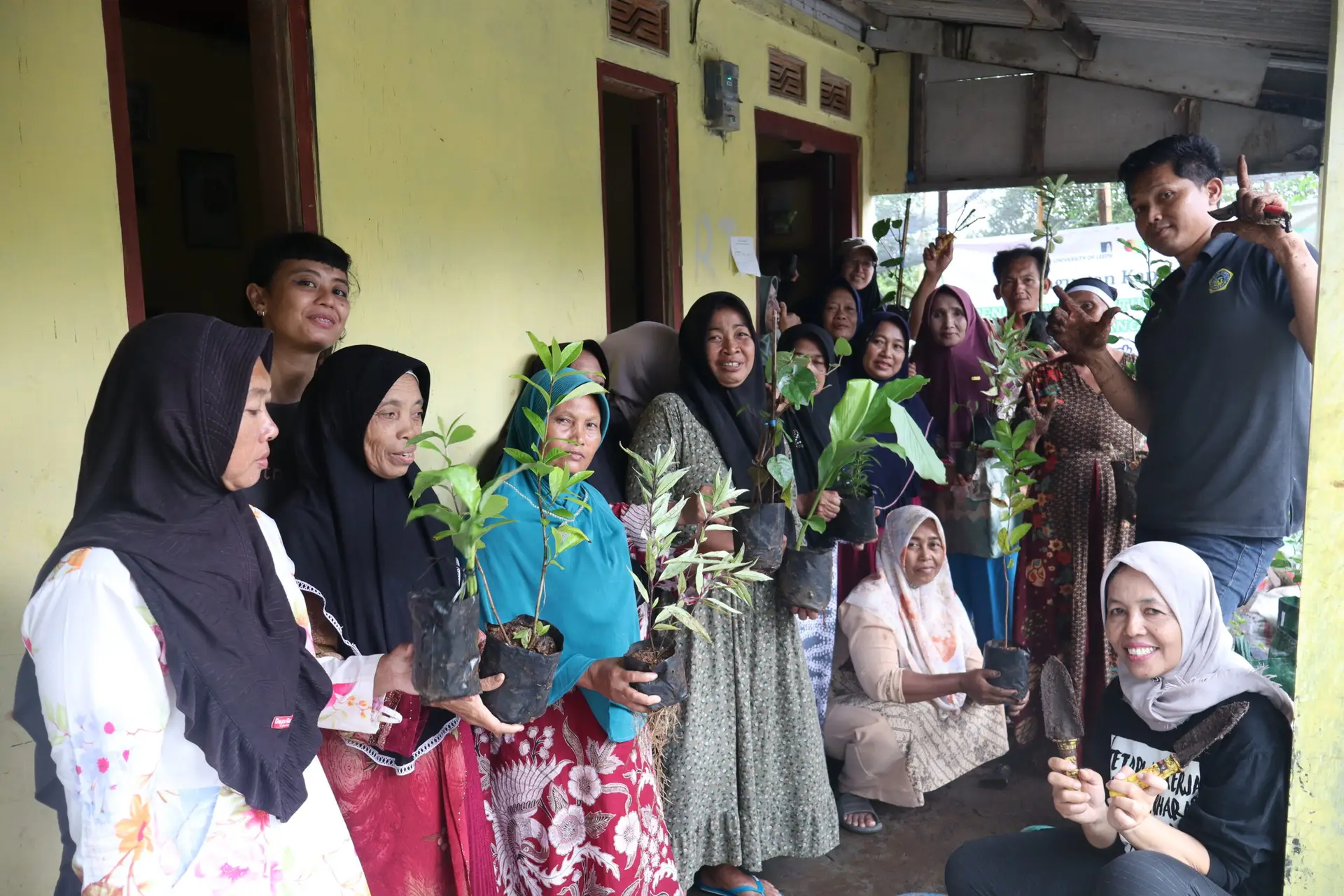
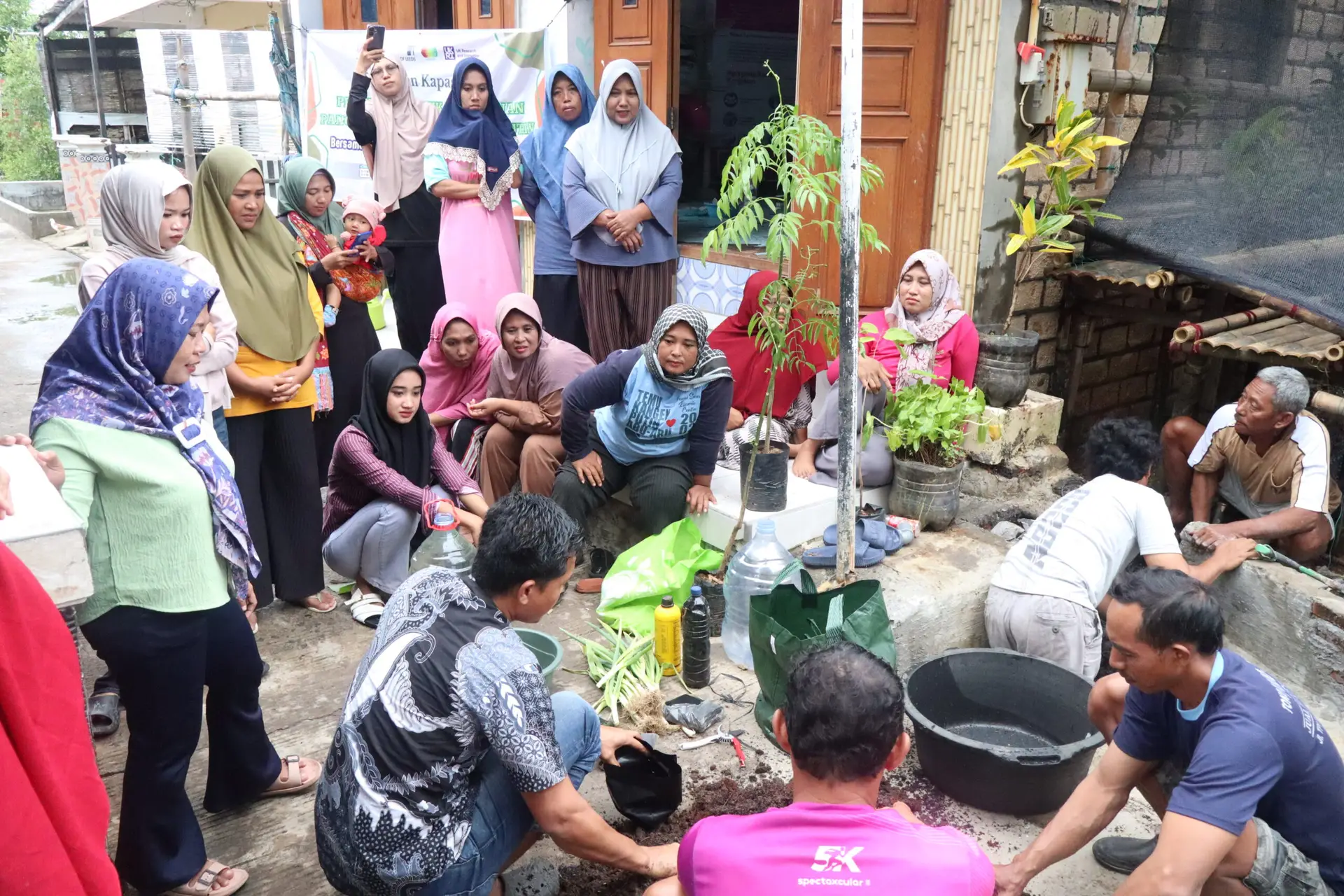
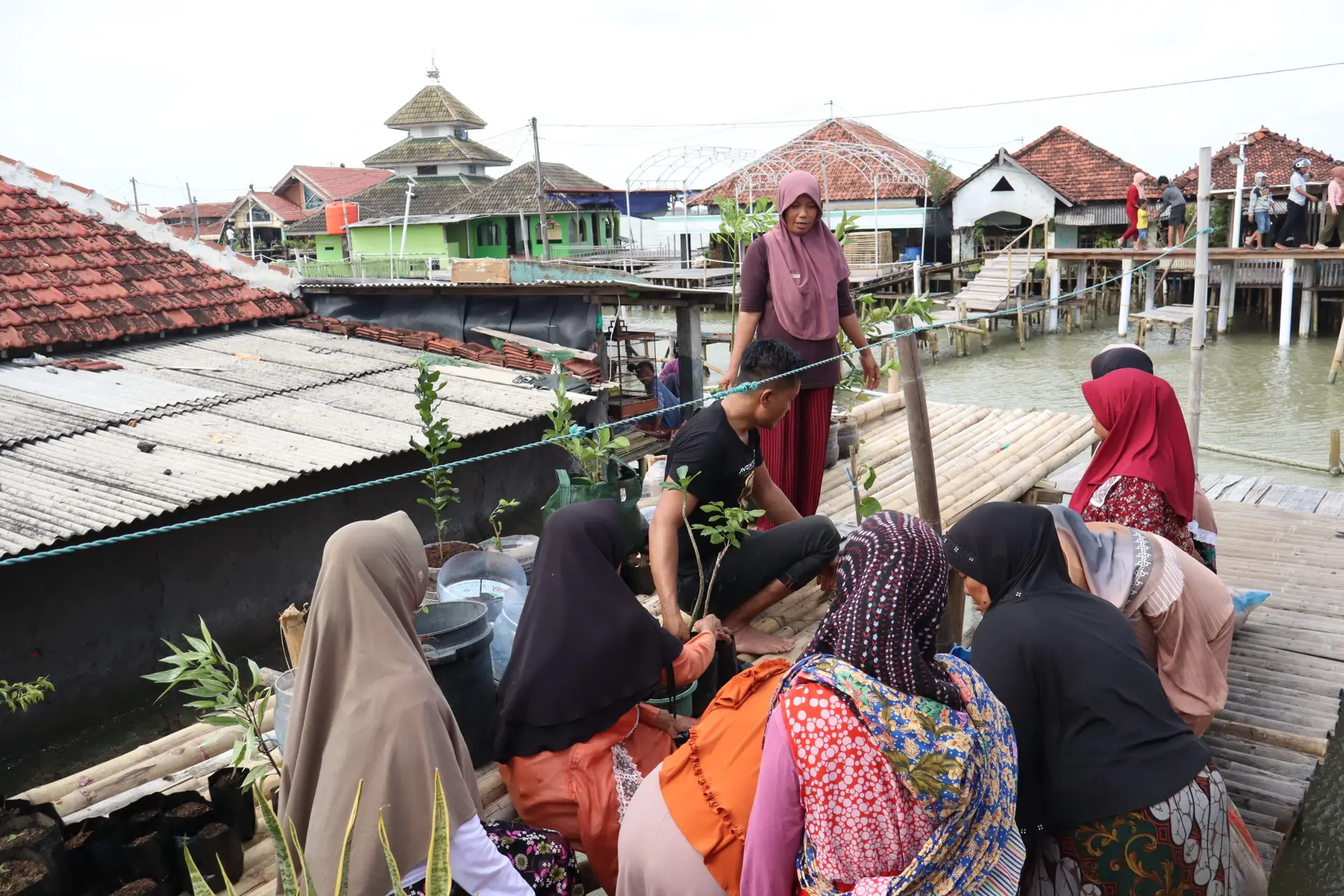
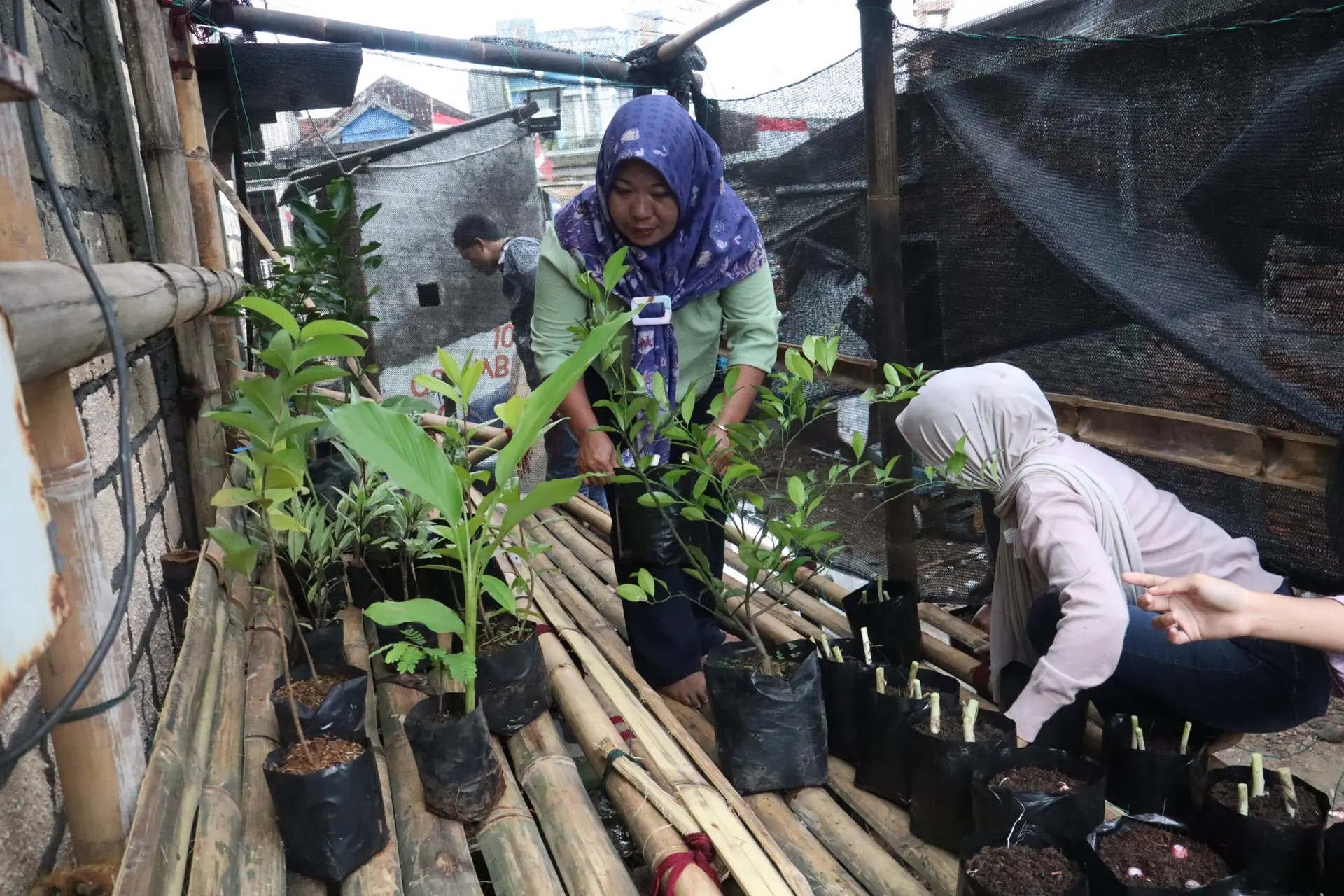
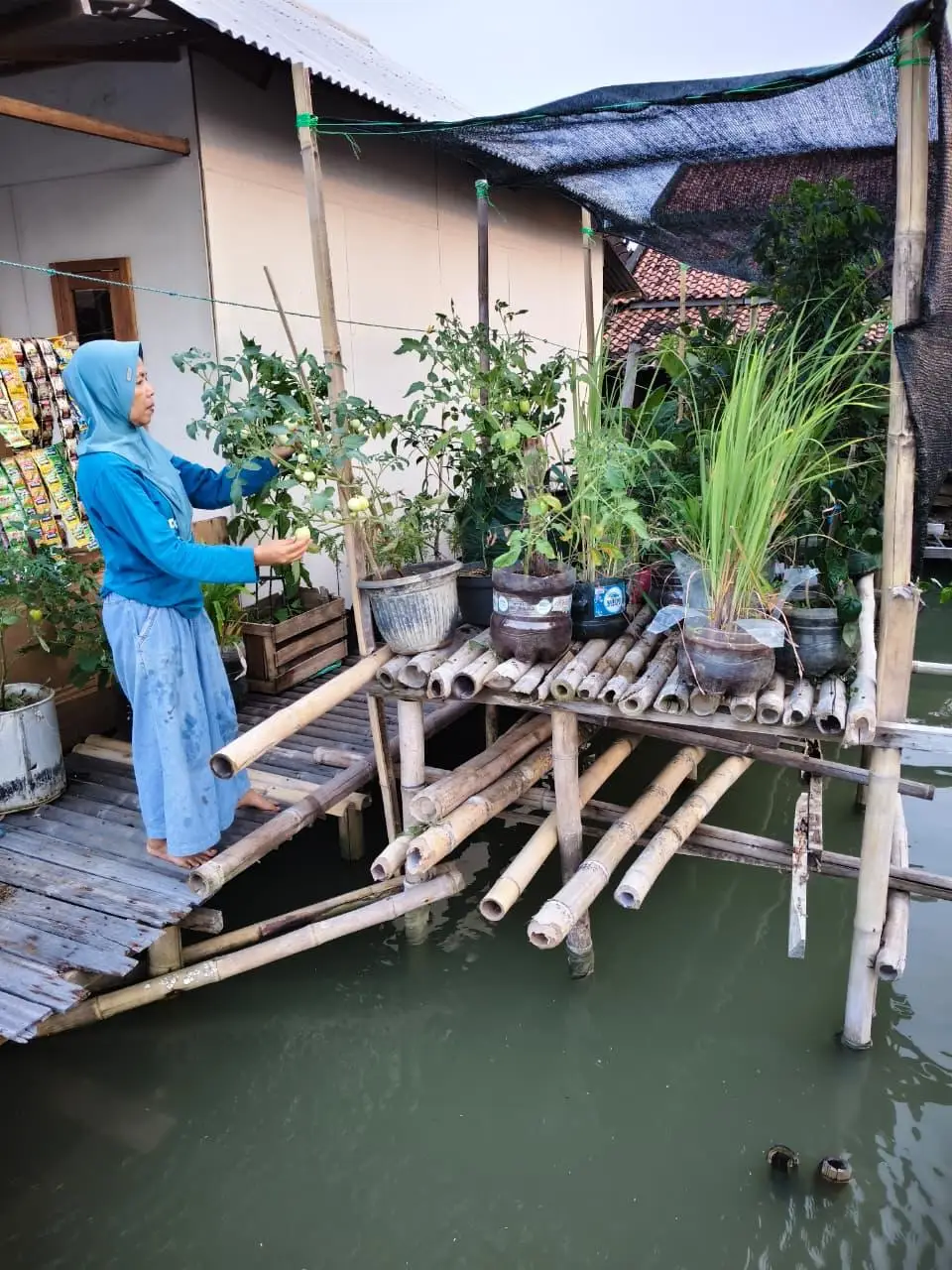
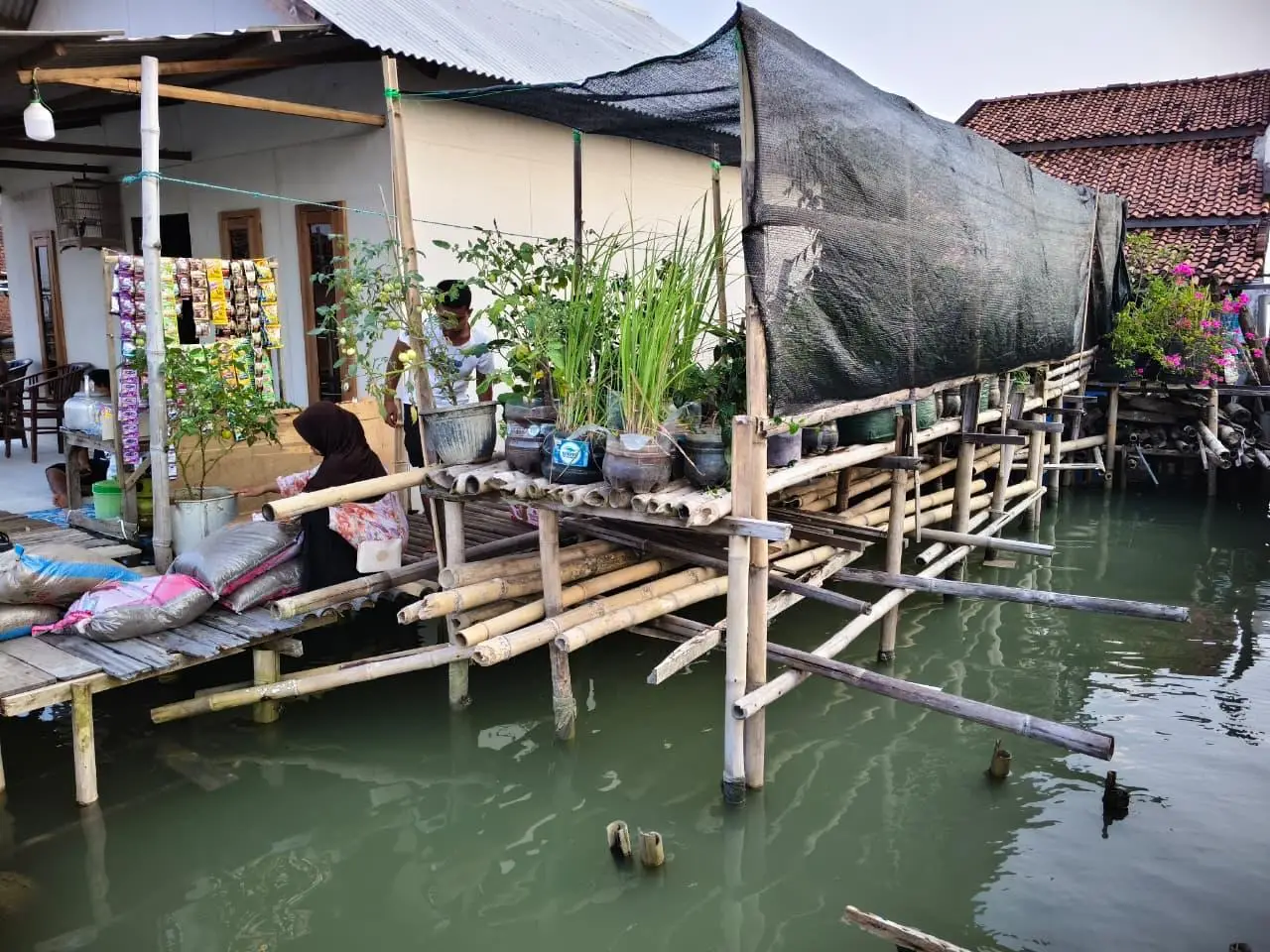
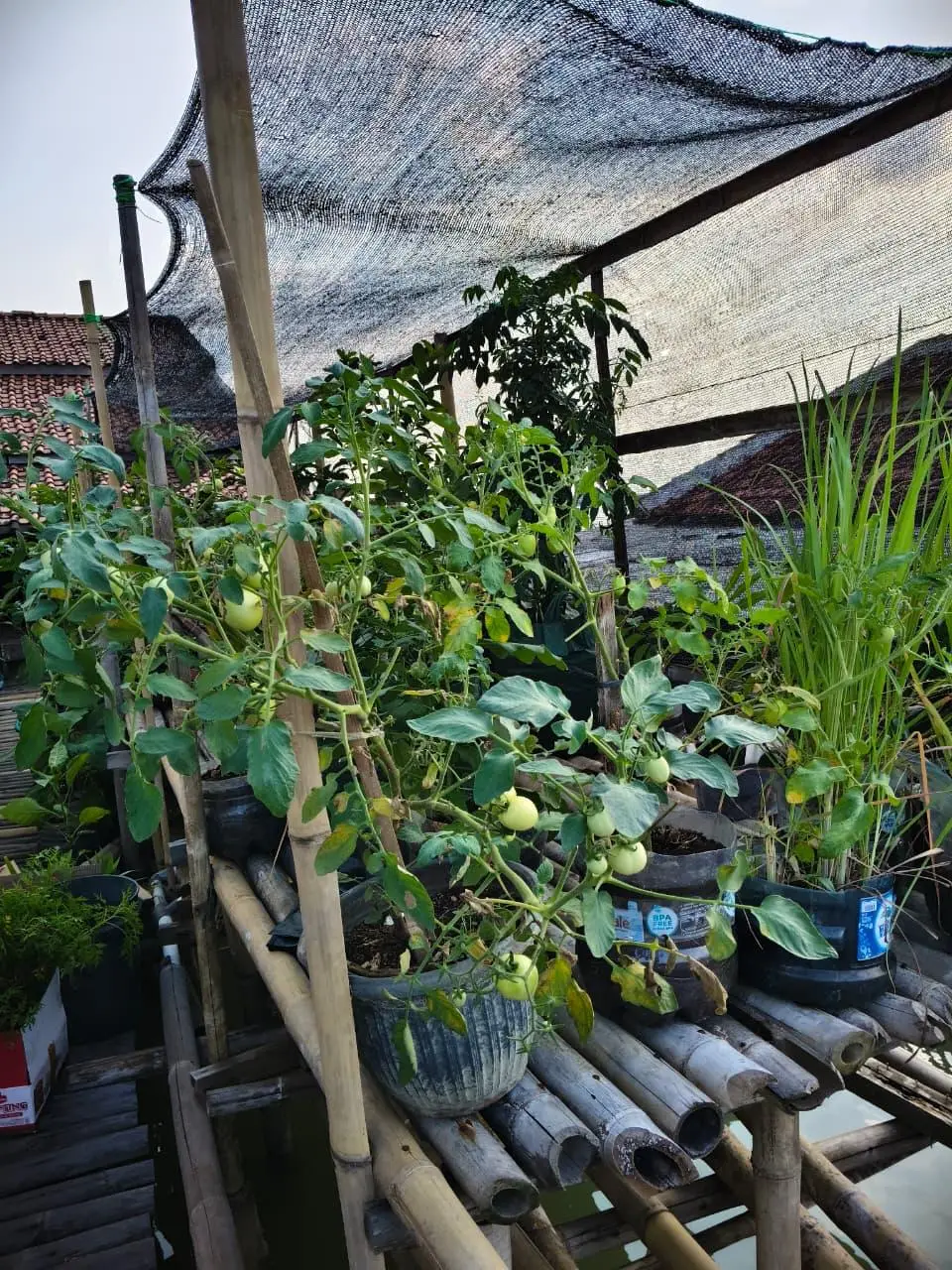
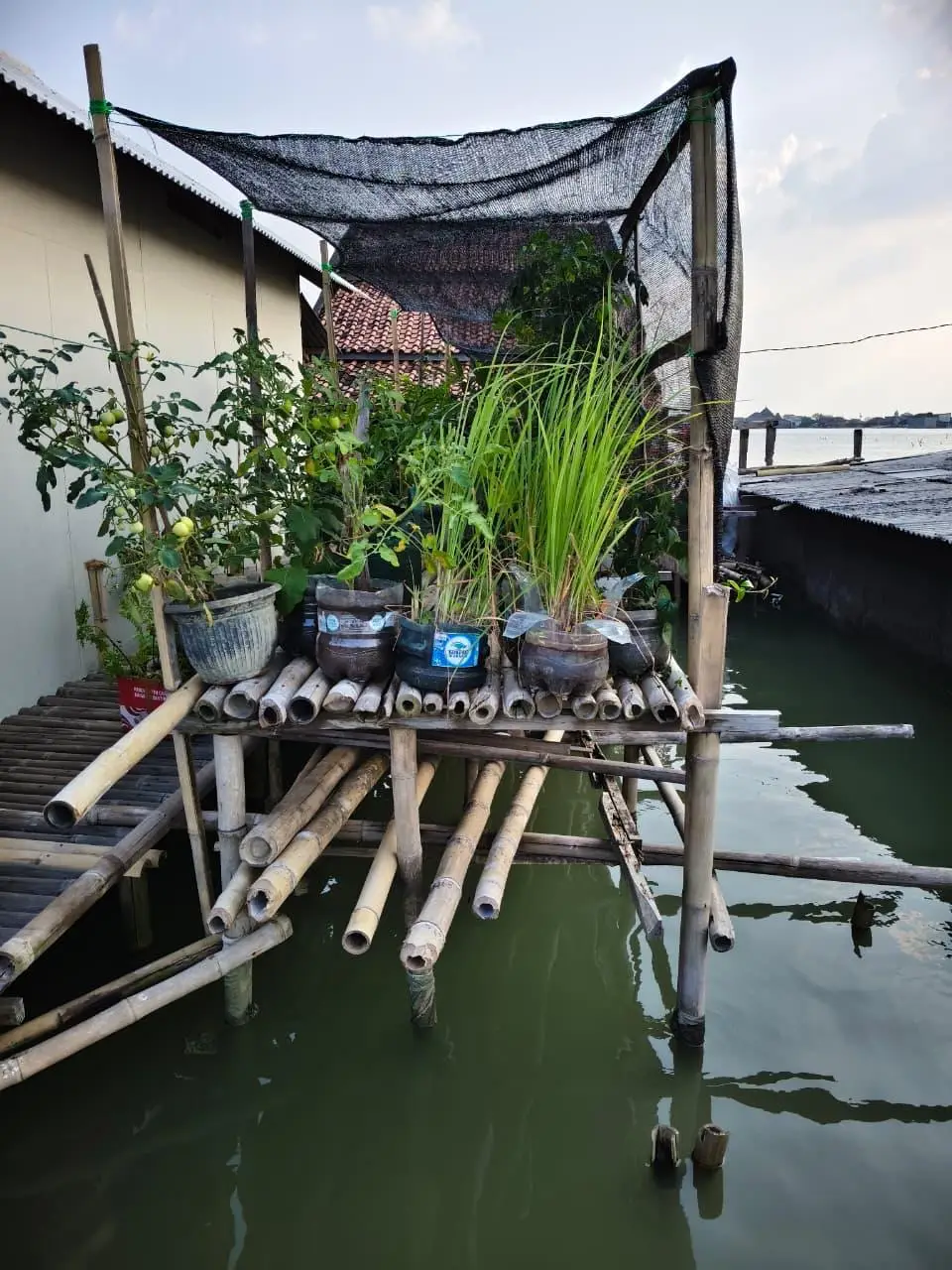
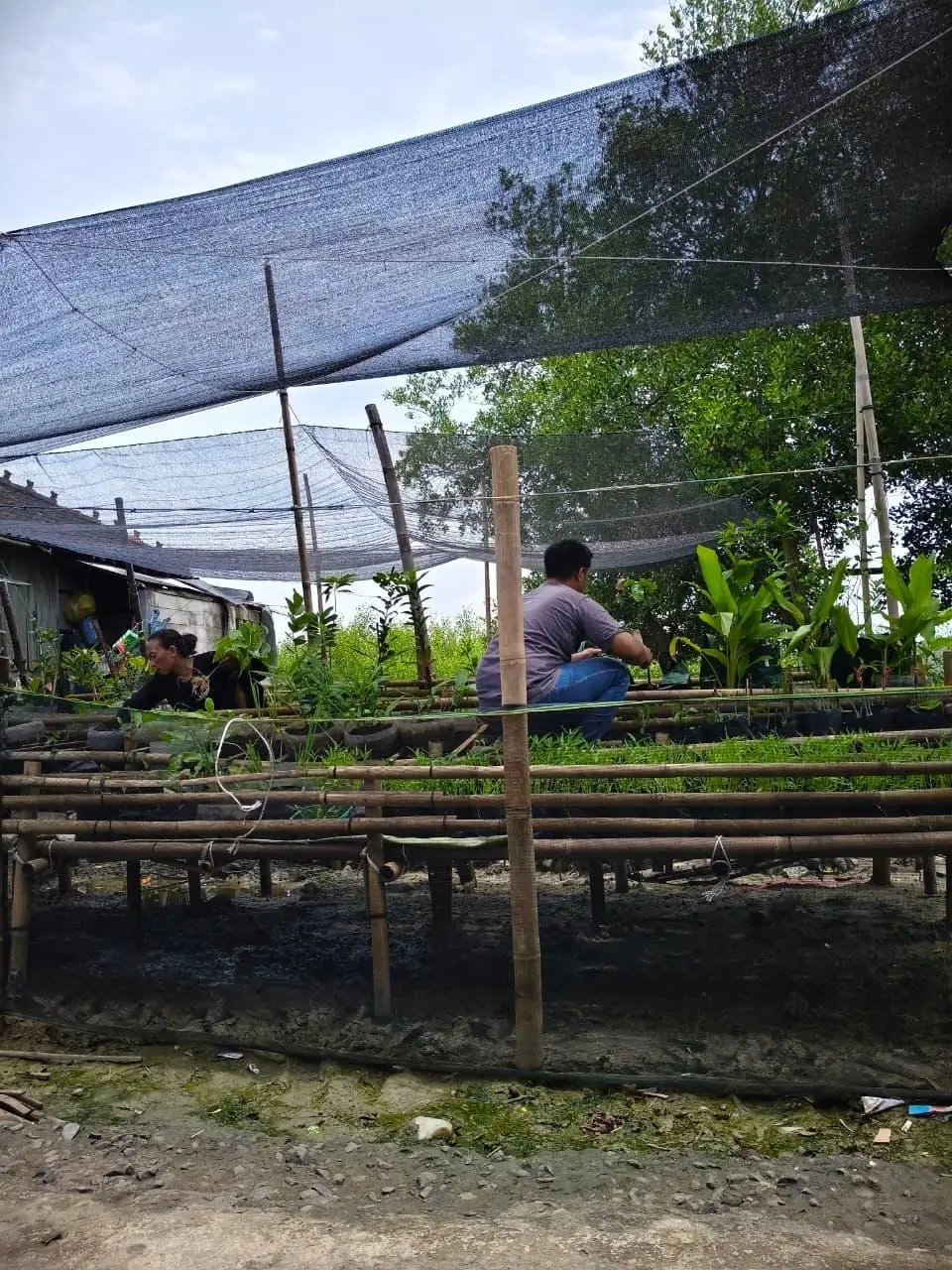
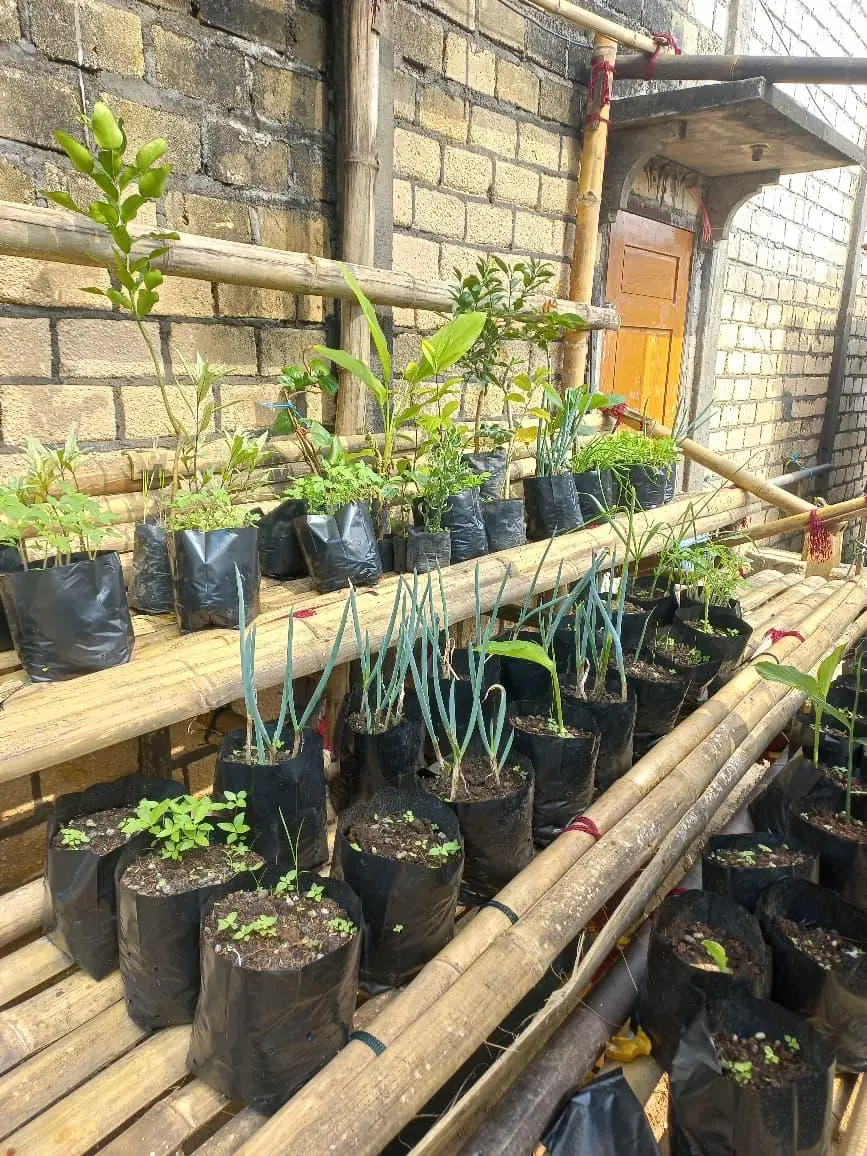
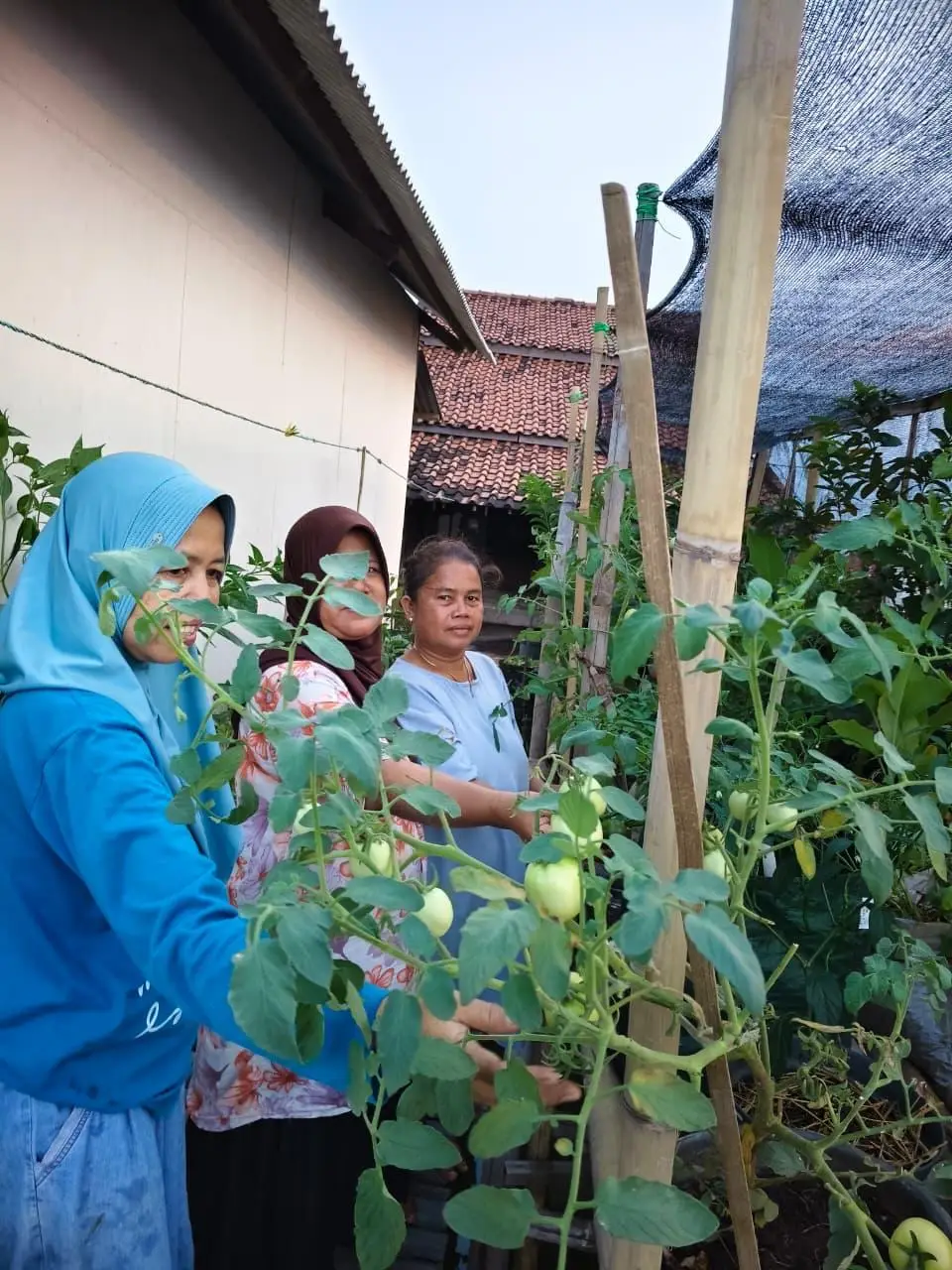
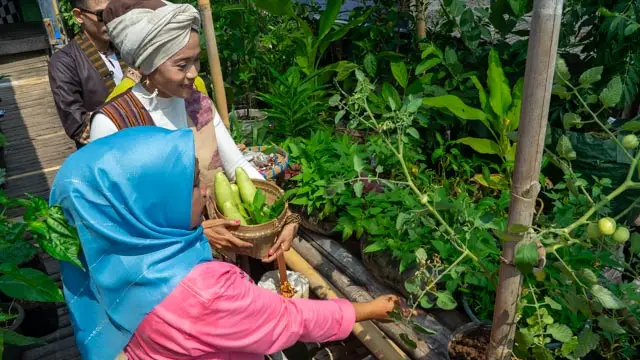
In addition to the Focus Group Discussion (FGD), the learning process was strengthened through a study visit on 27 December 2025 to the Krajan Makmur Waste Bank and the Kodim (District Military Command) Demak Food Security Garden. Participants gained practical knowledge on waste management, waste bank systems, and small-scale food cultivation adapted to coastal conditions, while building connections for future collaboration. This was followed by training on 14-16 January 2026 in three coastal villages, where more than 100 plants and seedlings were distributed, and participants learned hands-on techniques for climate-resilient food cultivation, including the use of Local Microorganisms as natural fertiliser.
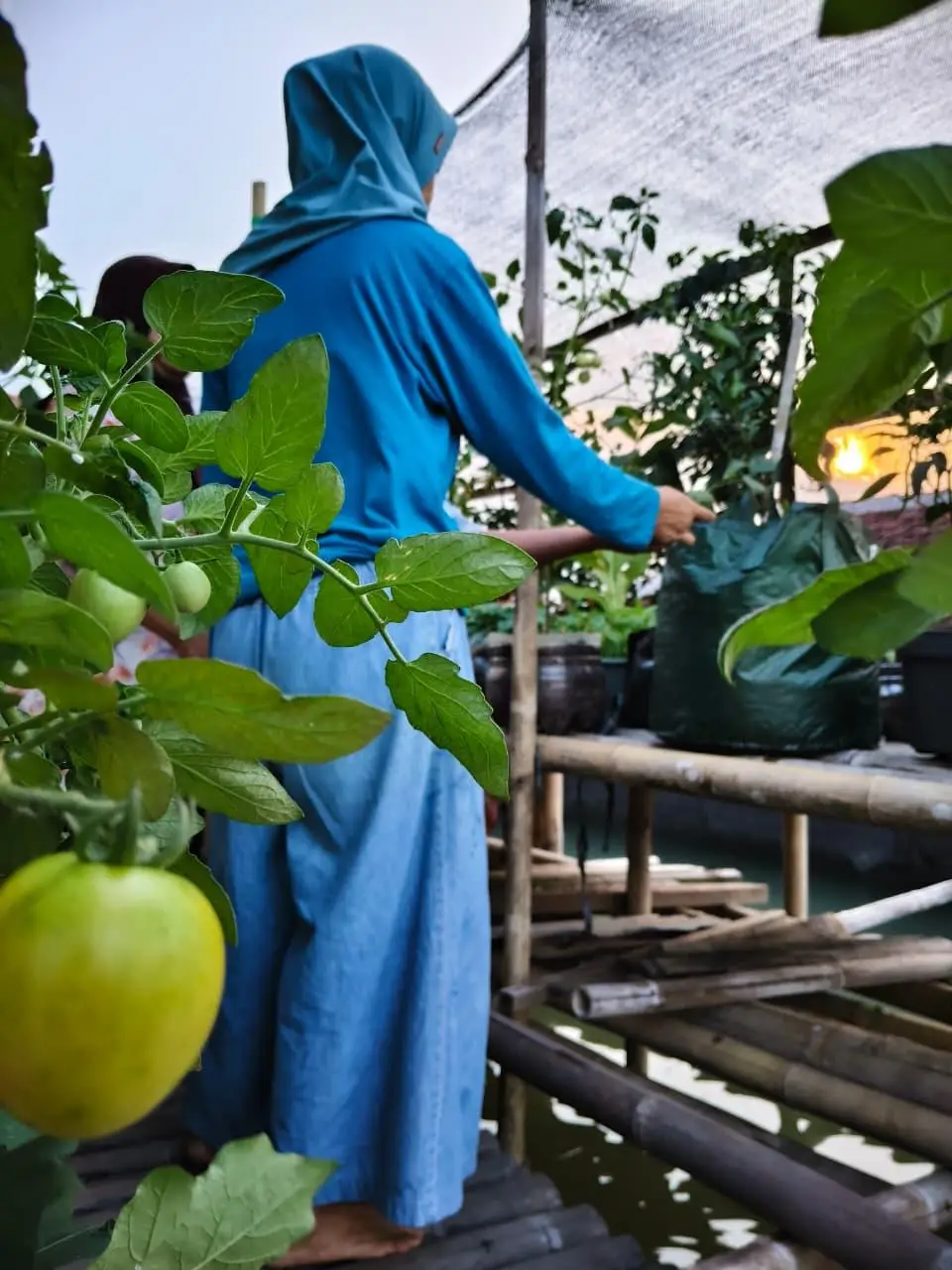
Through a mix of hands-on learning and earlier activities, fisherwomen began initiating collective actions in their villages. This process led to the establishment of four community waste banks and three climate-resilient food gardens, involving 75 fisherwomen. Supported by the Demak Environmental Agency, the Demak Green Forum, and the FOSIL Demak community, these initiatives strengthen food security, promote sustainable waste management, and reinforce the collective leadership of coastal women in responding to ongoing environmental and climate challenges.
Photographer: Kholil Wahyudi.
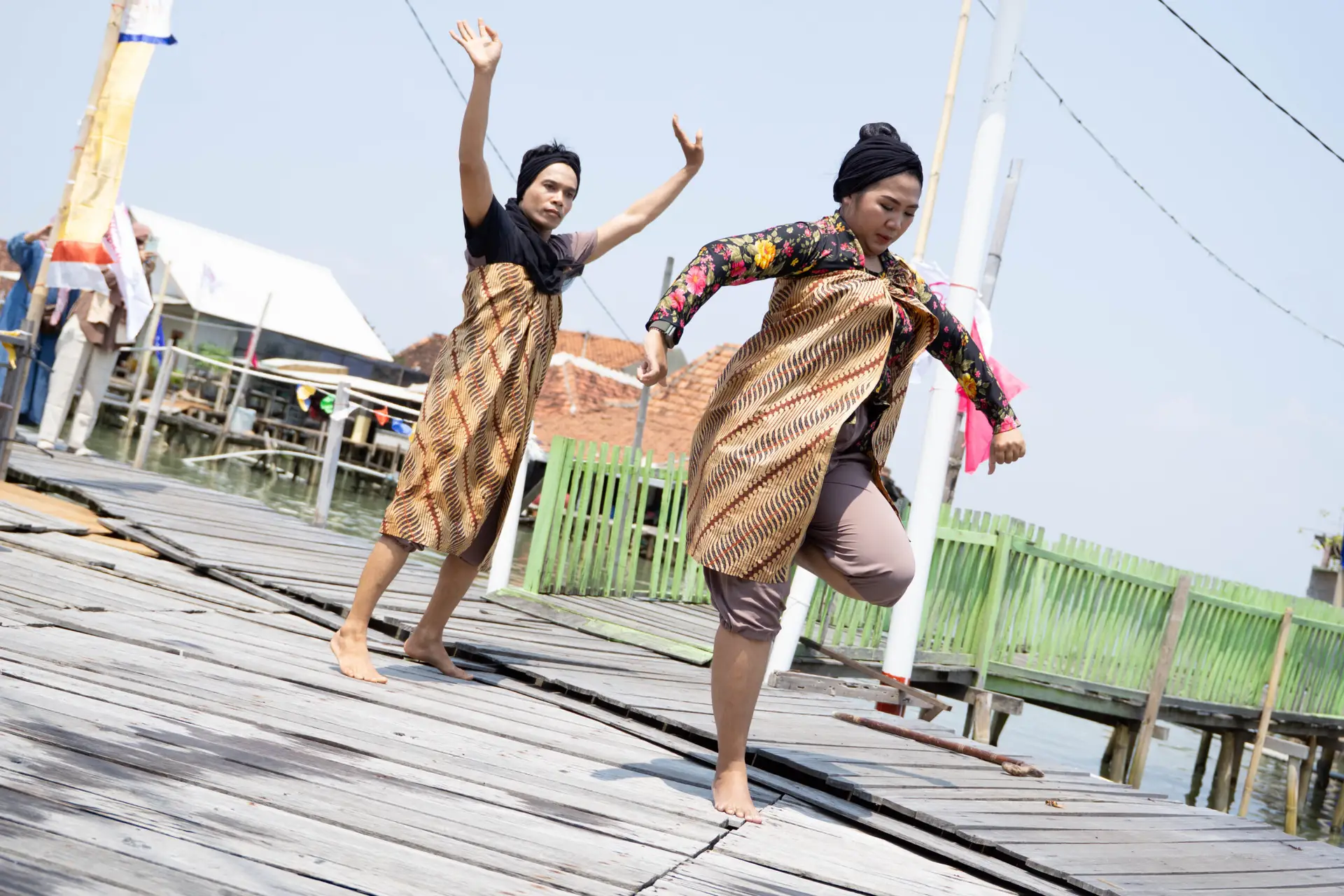
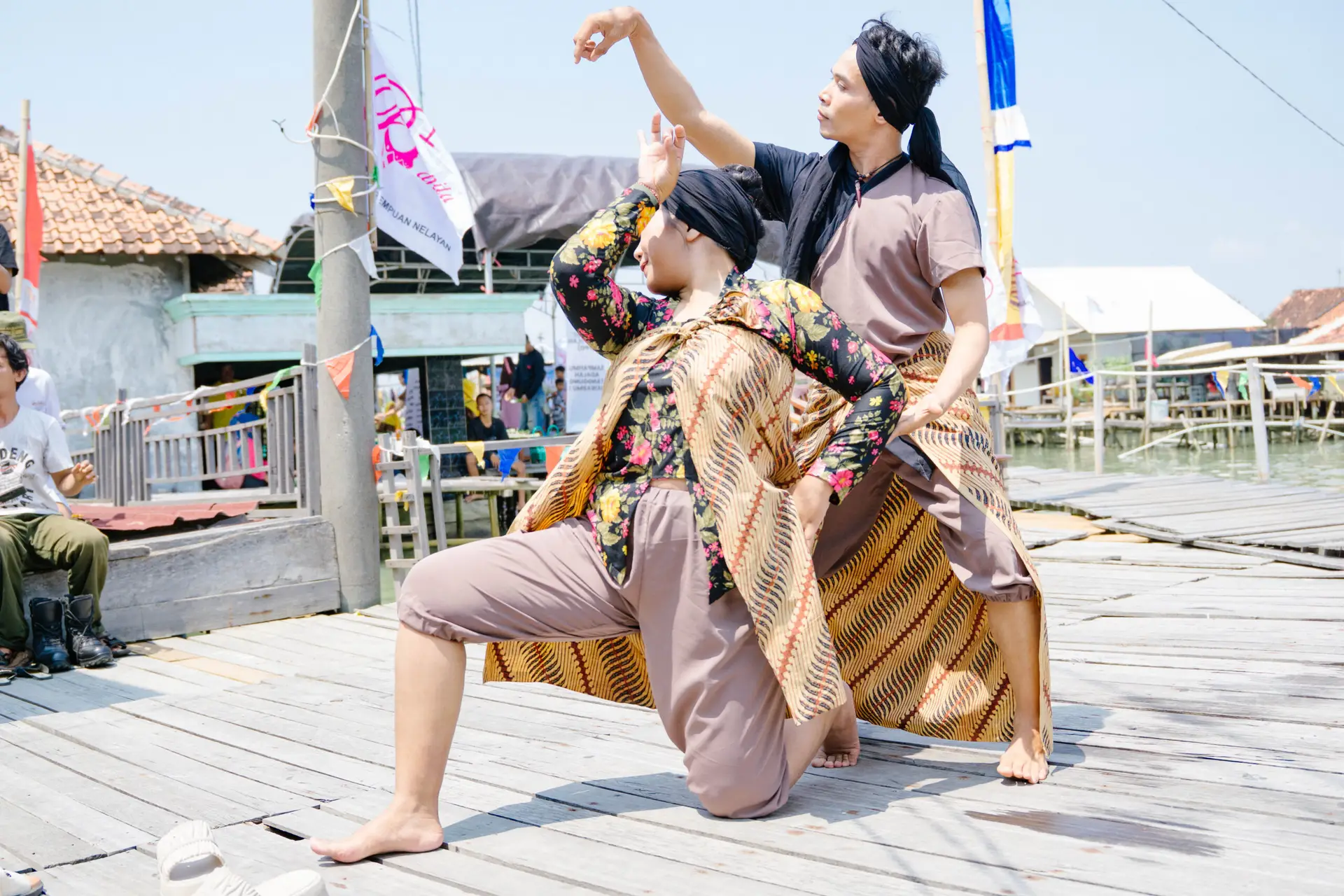
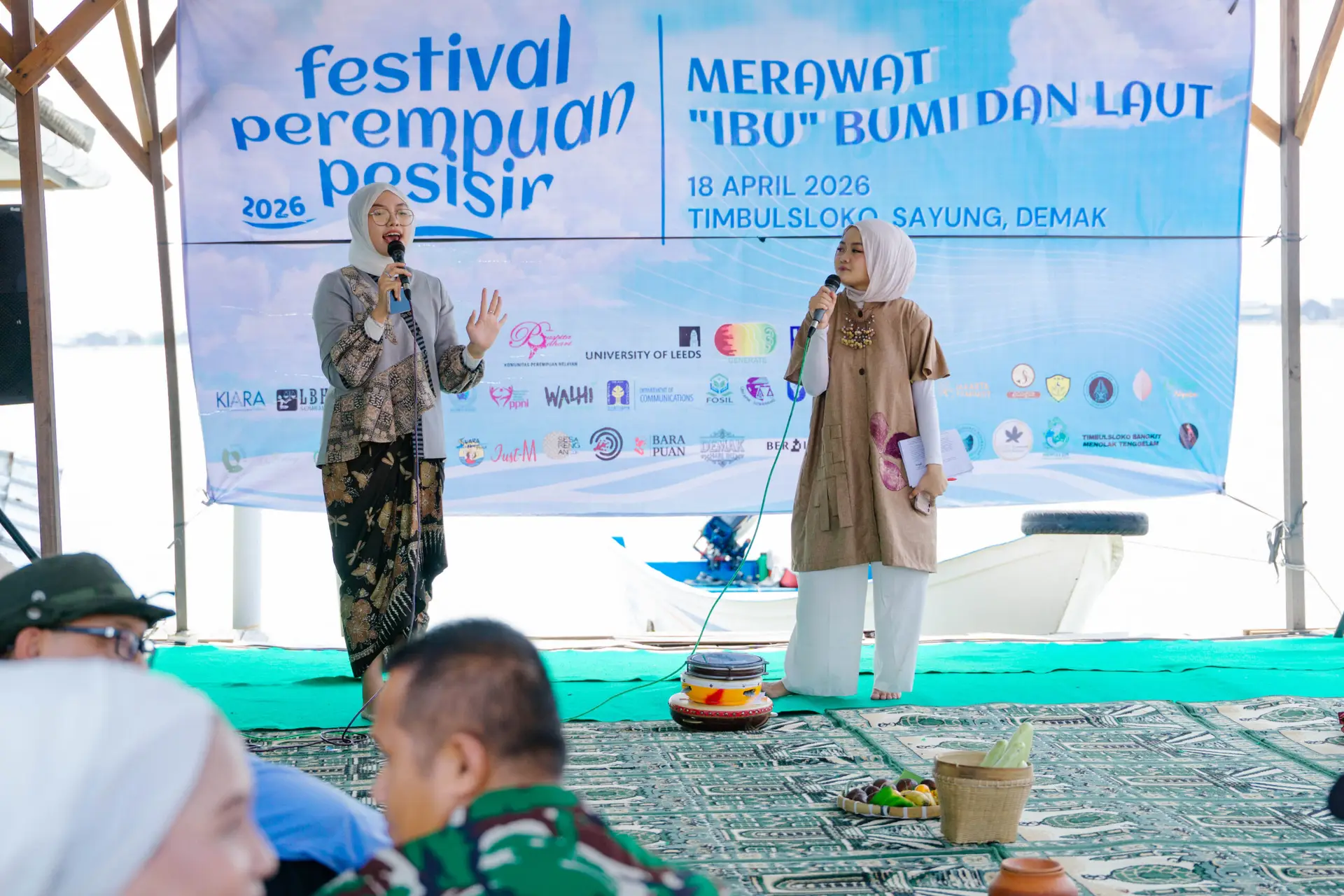
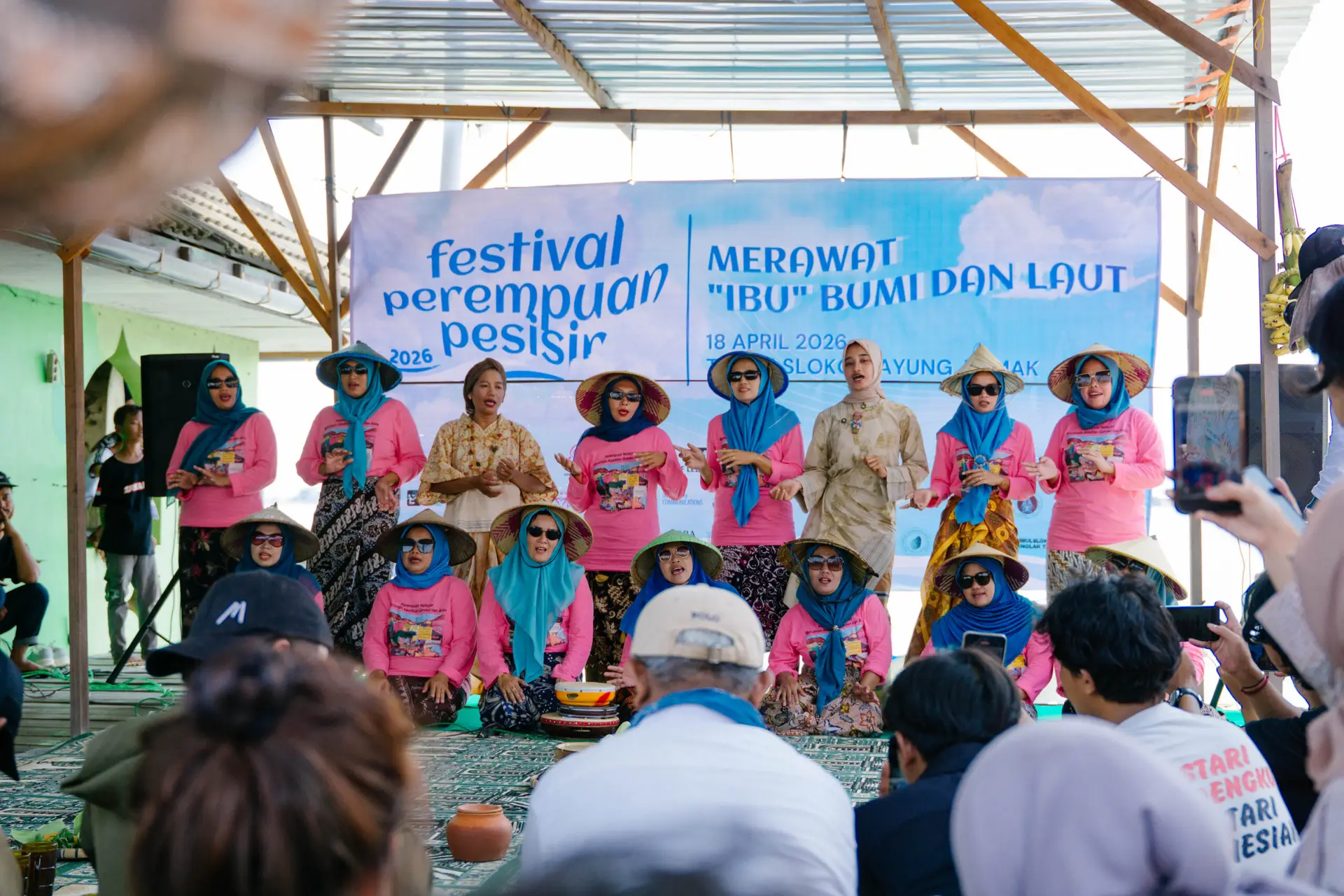
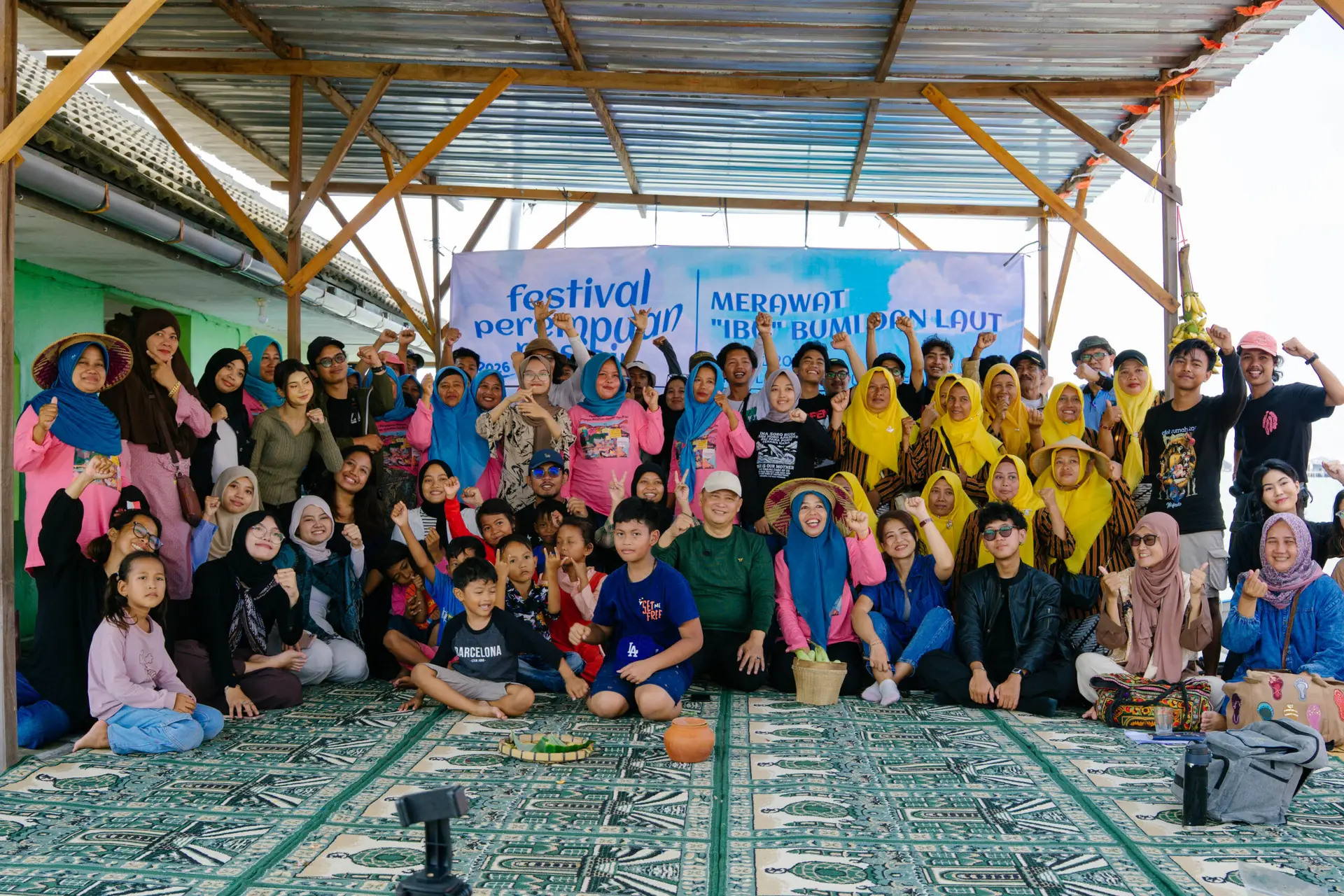
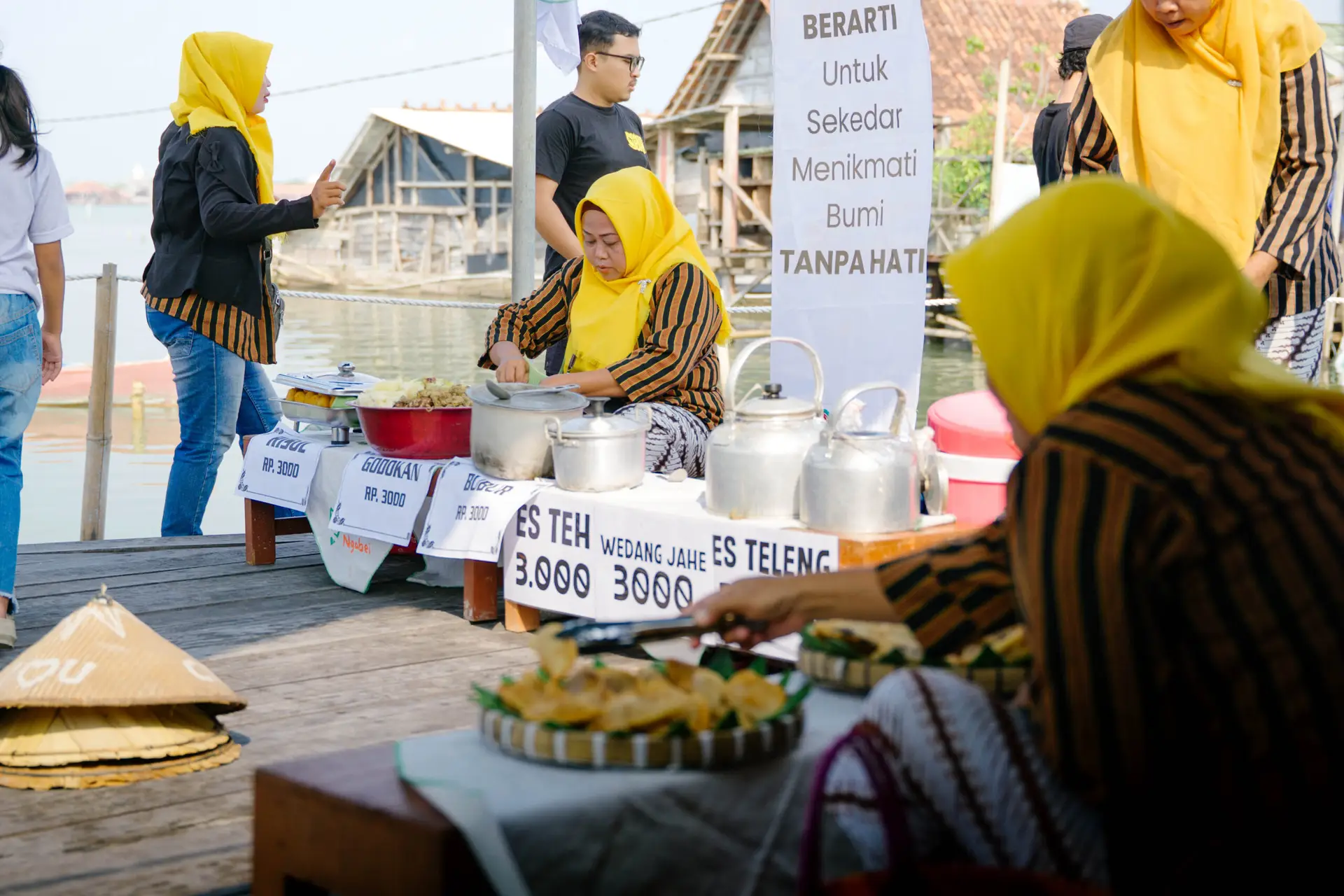
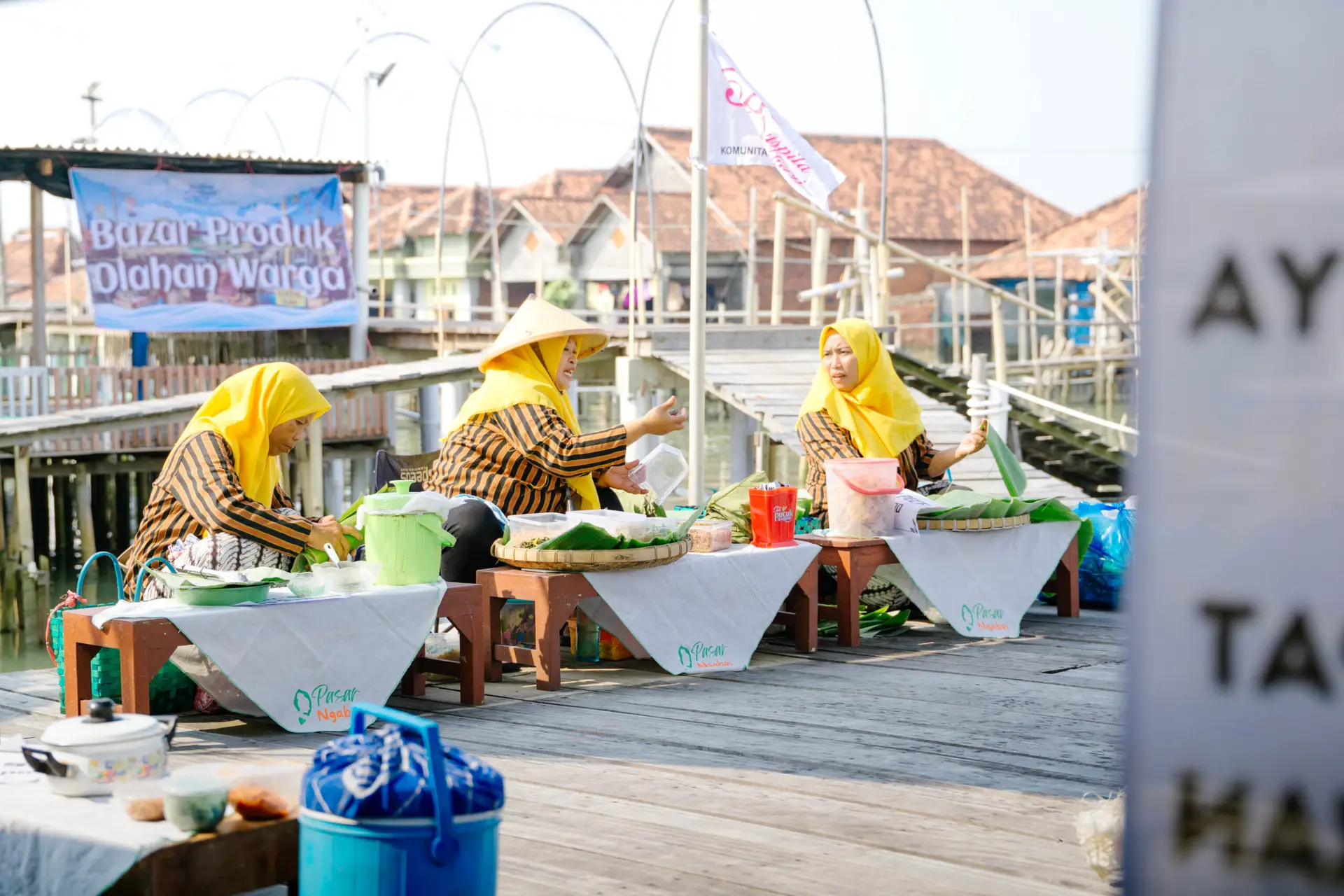
Coastal Women Caring for (Mother) Earth and Sea Festival
Responding to polycrises
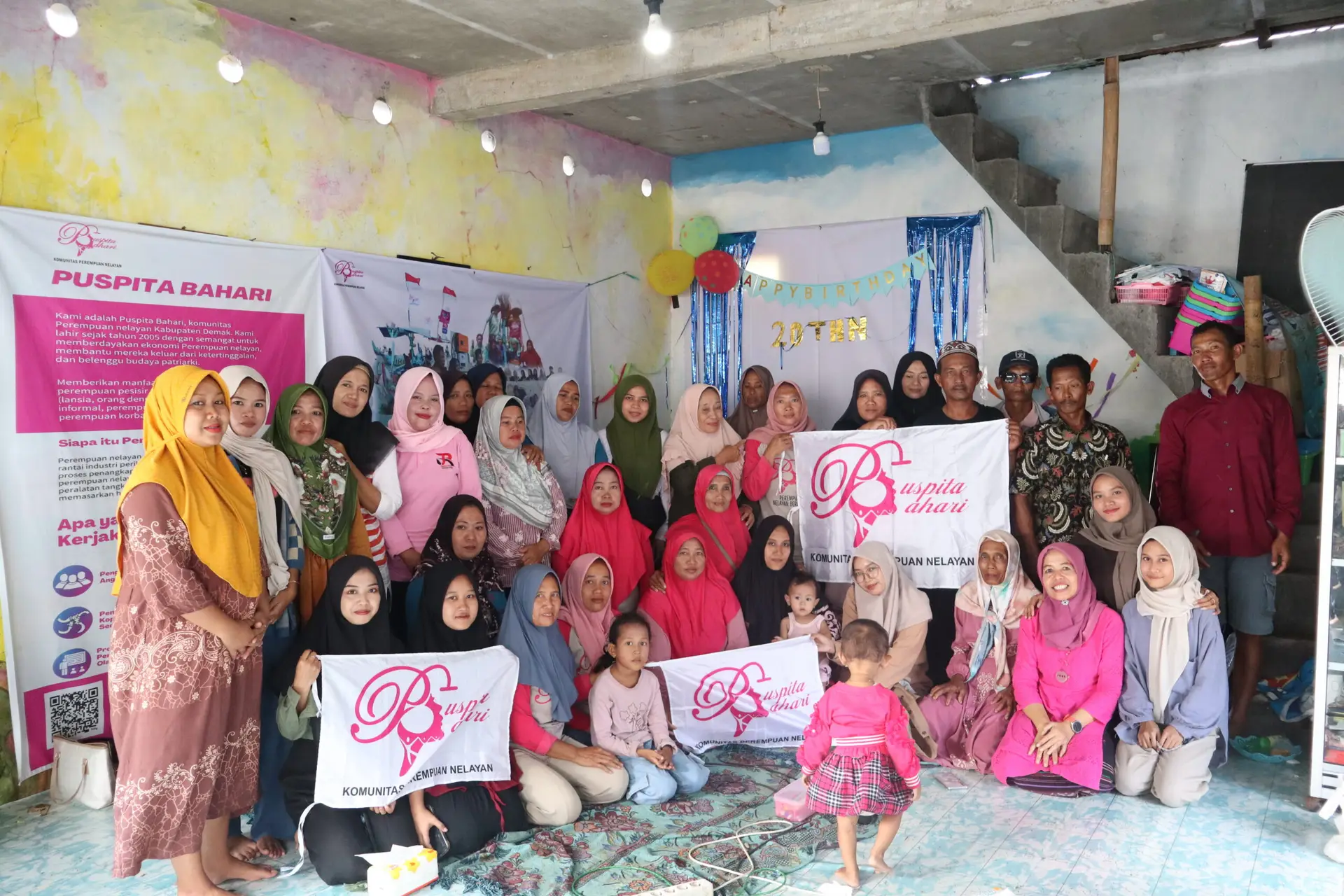
Founded in 2005, Puspita Bahari has long advocated for the rights of women in fishing communities across Demak’s coastal region. In the last decade, communities in the area have experienced worsening tidal flooding, land subsidence, sea-level rise, and the impacts of uneven coastal development.
Based on report data and accompaniment records from Puspita Bahari, there were 19 cases of gender-based violence (GBV) documented in Demak between 2023 and 2025. Economic neglect and psychological violence were the most common forms, often occurring together. Many survivors experienced multiple forms of violence, highlighting the layered nature of GBV in climate-affected coastal areas. At the same time, survivors face significant barriers in accessing safe houses and reporting cases, as tidal flooding disrupts mobility, limits access to services, and intensifies vulnerability.
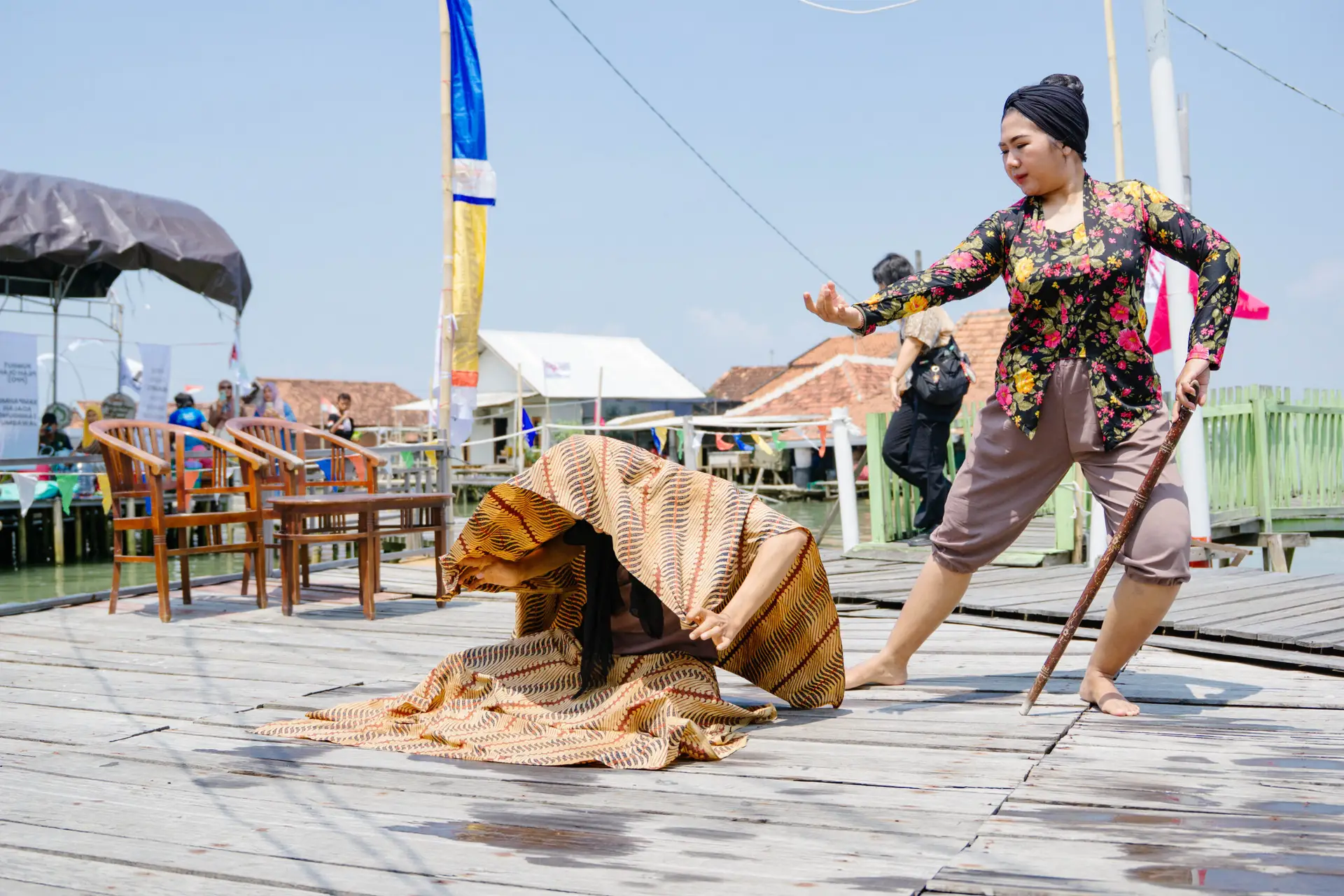
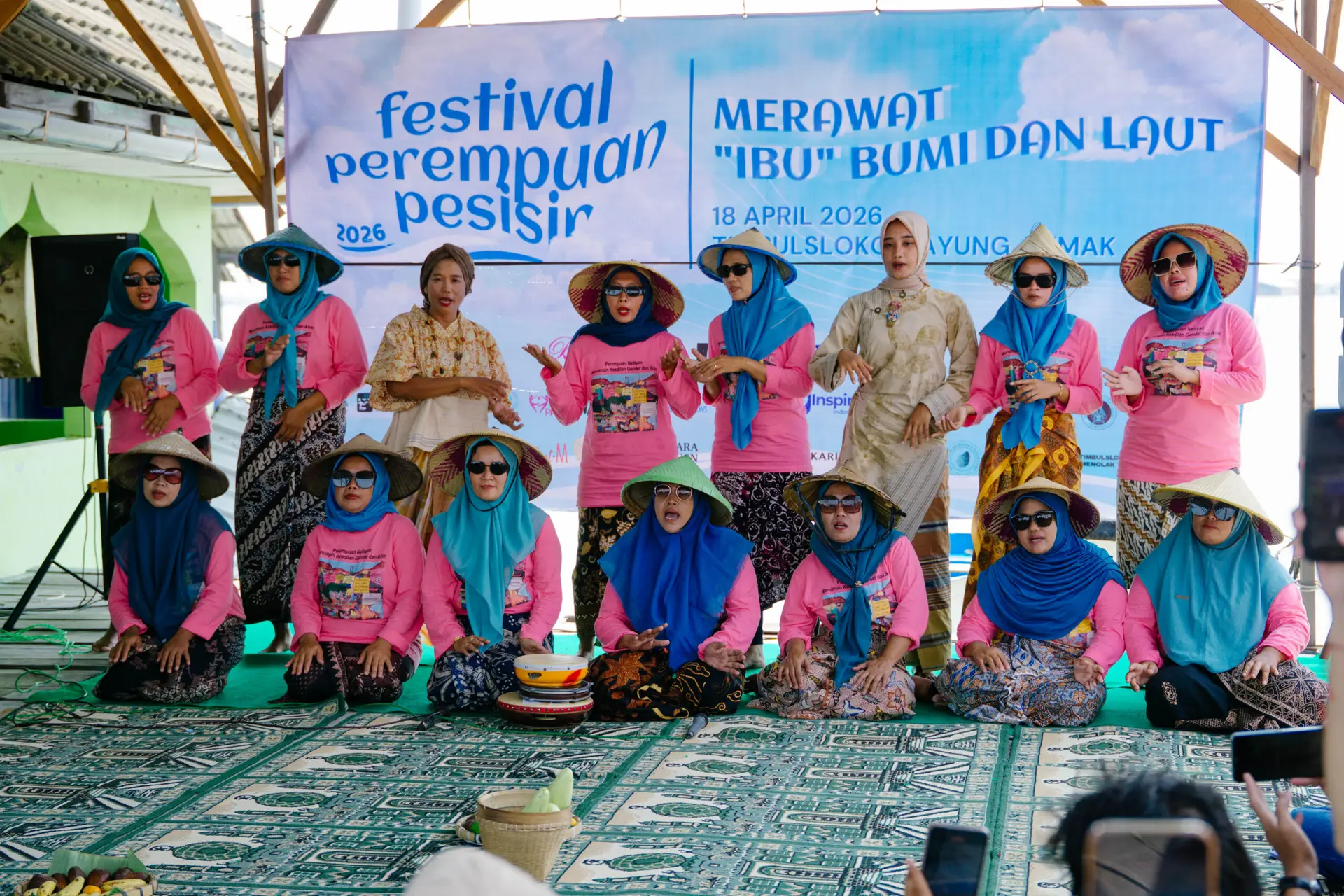
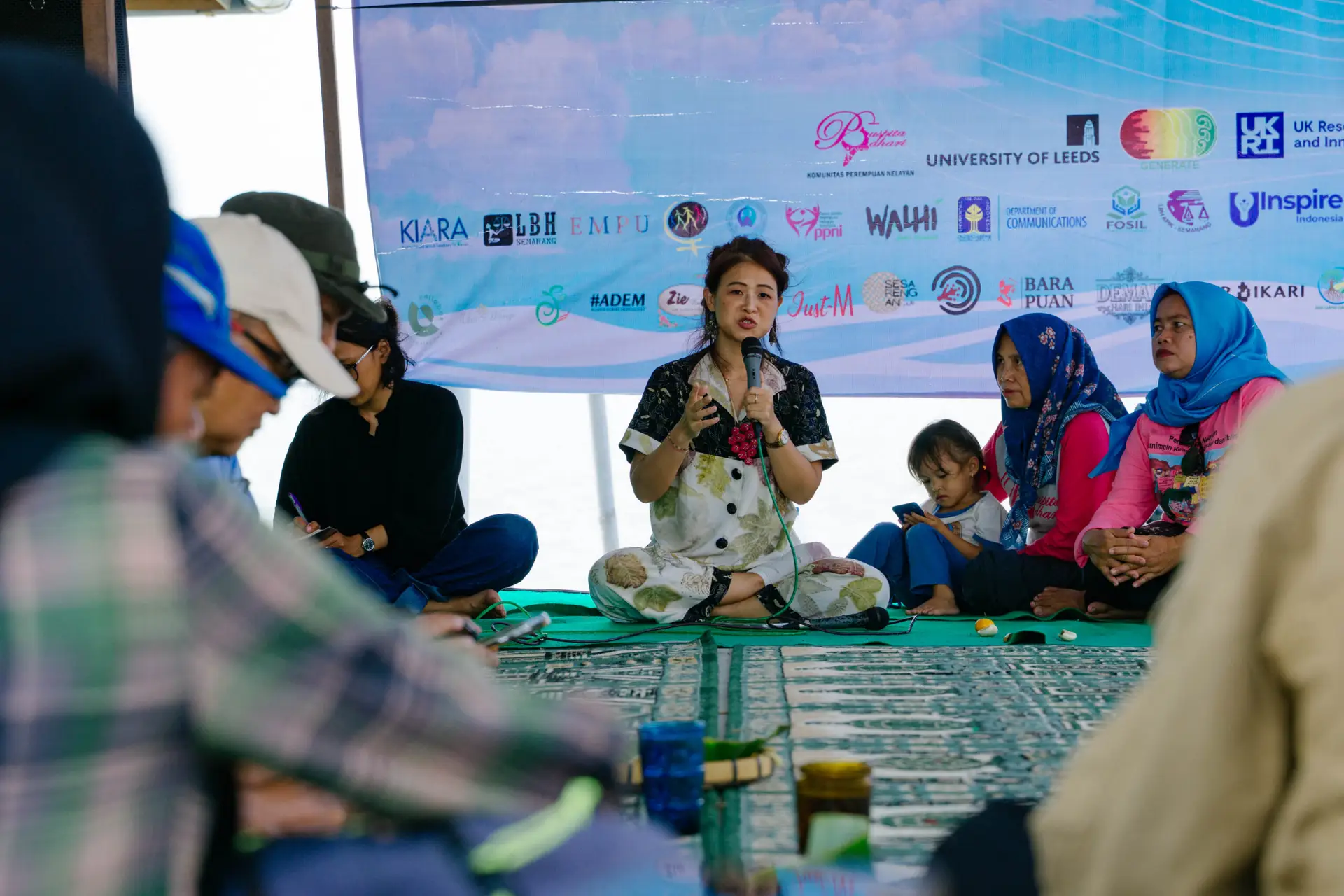
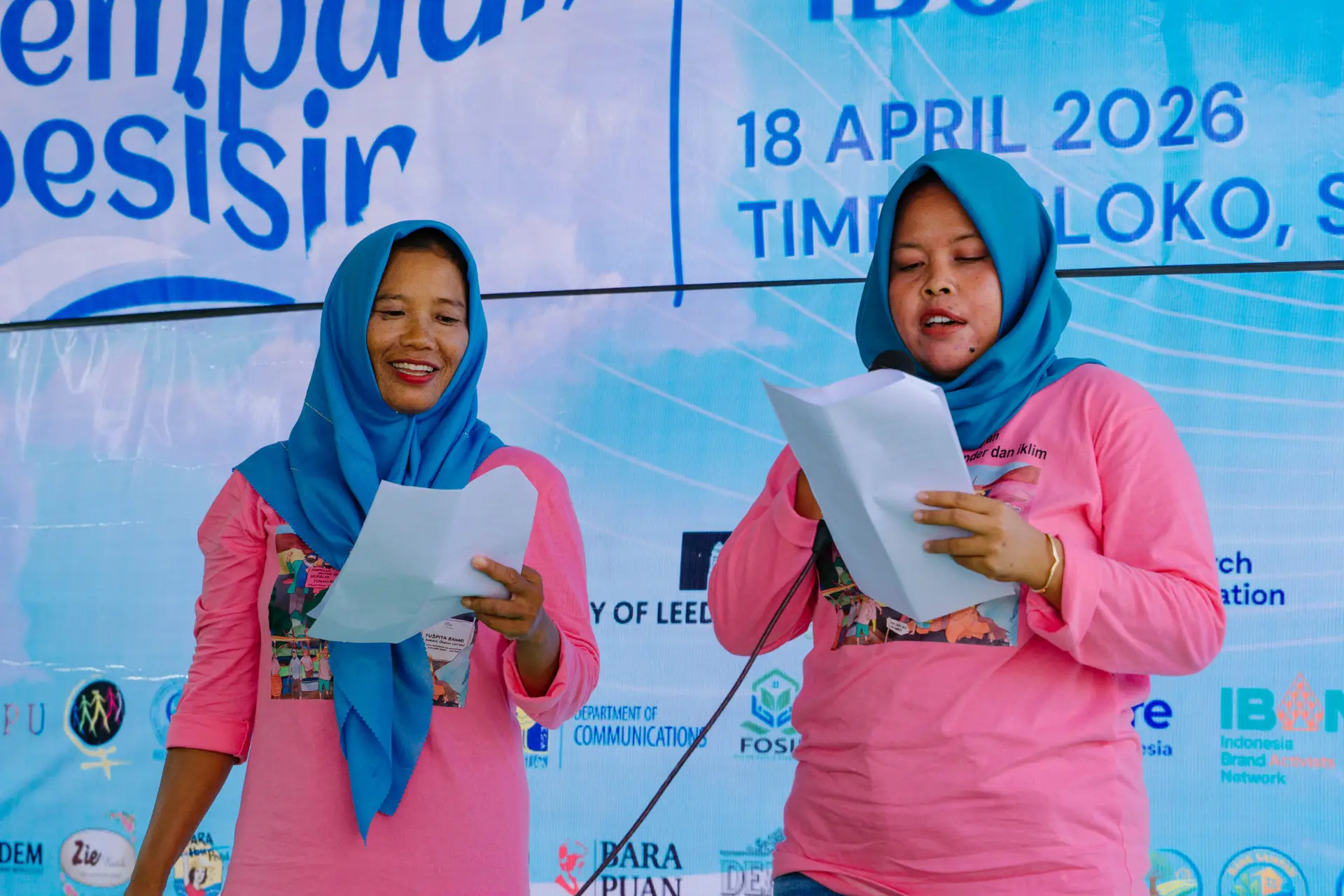
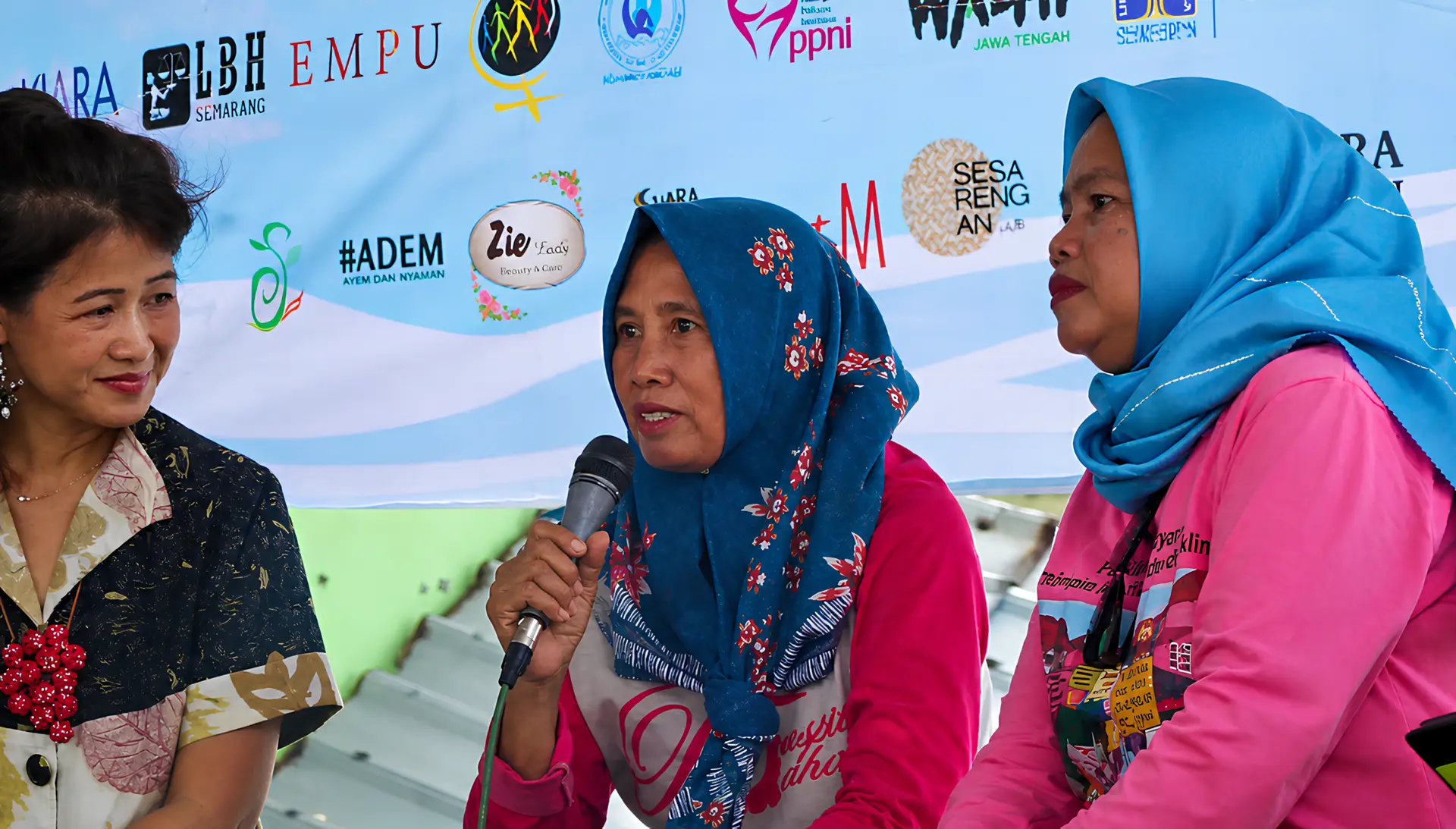
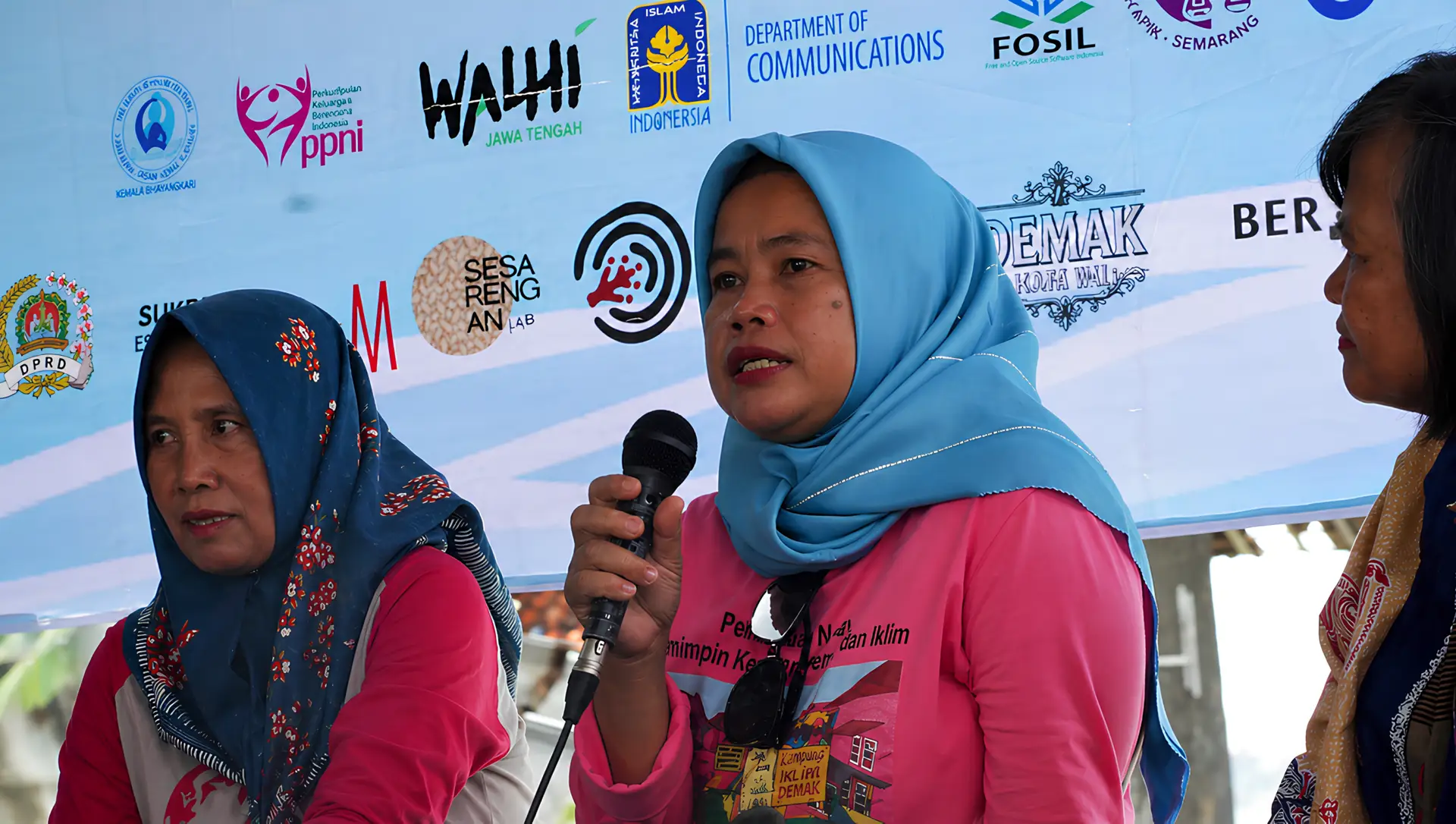
The centrepiece of the Festival was a Climate Justice Forum, bringing together fisherwomen from Purworejo, Morodemak, Margolinduk, Bedono, and Timbulsloko with policymakers from local and national government institutions, including a member of the Regional Representative Council (DPD RI), the Deputy Chair of the Demak Regional House of Representatives (DPRD), the former Chair of the National Commission on Violence Against Women (Komnas Perempuan, 2010-2014), representatives from the Demak Environmental Agency and the Office for Women’s Empowerment and Child Protection, as well as environmental activists and gender justice advocates. Participants called for a future coastal policy that does not ignore gender equality, women’s voices, or ecological sustainability.
Building global solidarity through research action partnerships
The Festival reflects ongoing collaborations between grassroots communities in Indonesia and researchers at the University of Leeds on gender, climate change, and social justice. Over the past six months, these collaborations have established four women-led waste banks and three food resilience gardens, distributed 200 plant seedlings, and gathered data on and co-designed interventions to prevent gender-based violence in climate-affected coastal communities.
By facilitating community-led initiatives such as this Festival, the GENERATE Project demonstrates how universities can work alongside frontline communities to co-produce knowledge, arts, and creative feminist praxis to support transformative local climate action.
As coastal women in Demak made clear throughout the Festival, those most affected by climate change are not passive victims—they are already leading the struggle for a more just and sustainable future.
Photographer: Daffa/Demak Berdikari.