Life in a Flood Zone: Kampala’s Nakivubo Channel
Flooding is the greatest climate risk facing Uganda.
At least 50,000 people are directly impacted by flooding every year – the aftermath of which includes displacement, destruction of property, endangered economic activity, poor physical and mental health, and loss of life. Erratic rainfall and its consequences have significant implications for the people and built environments of the country’s low-lying capital, Kampala, much of which was built on former wetlands at the base of the city’s seven hills.
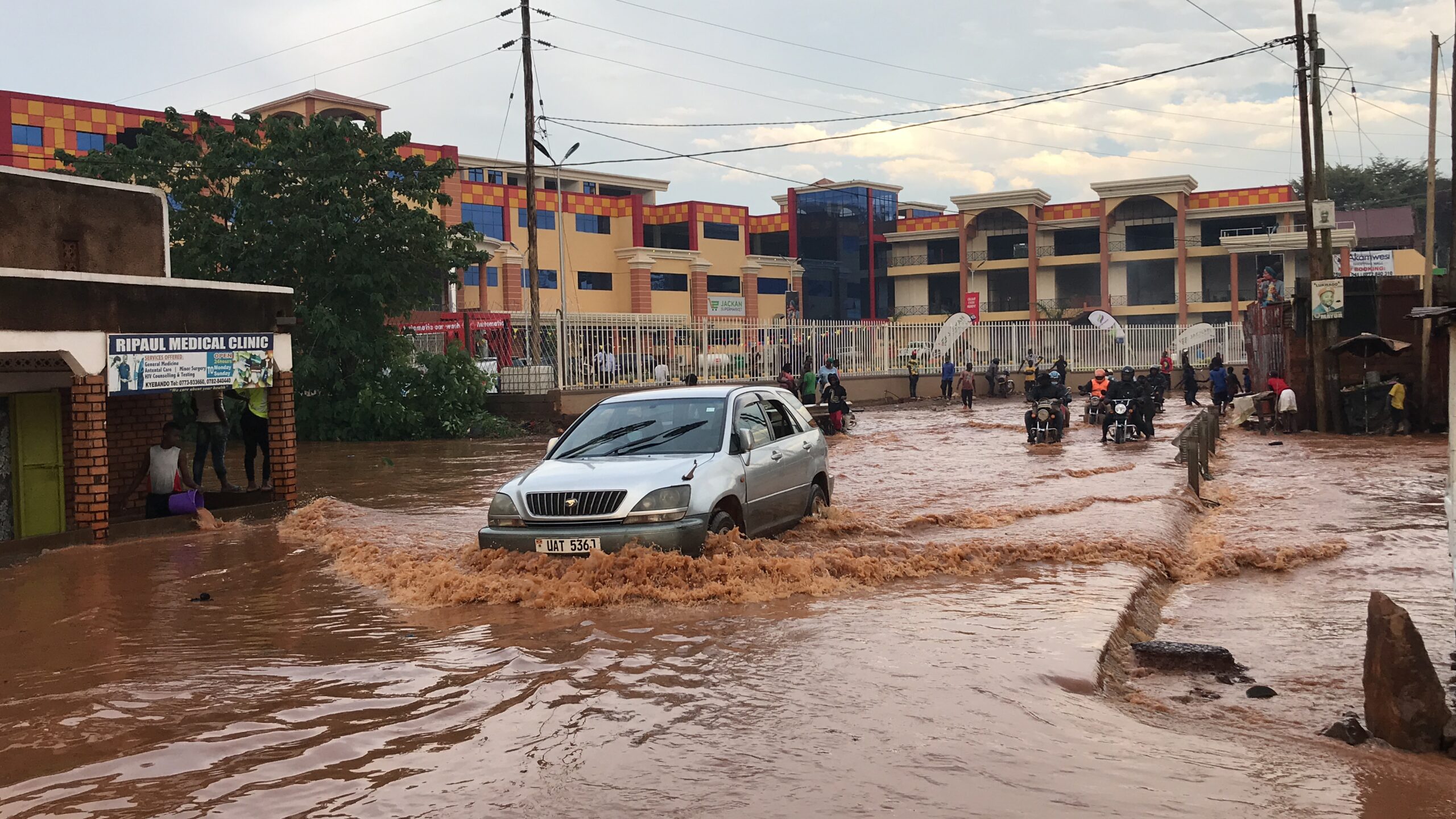
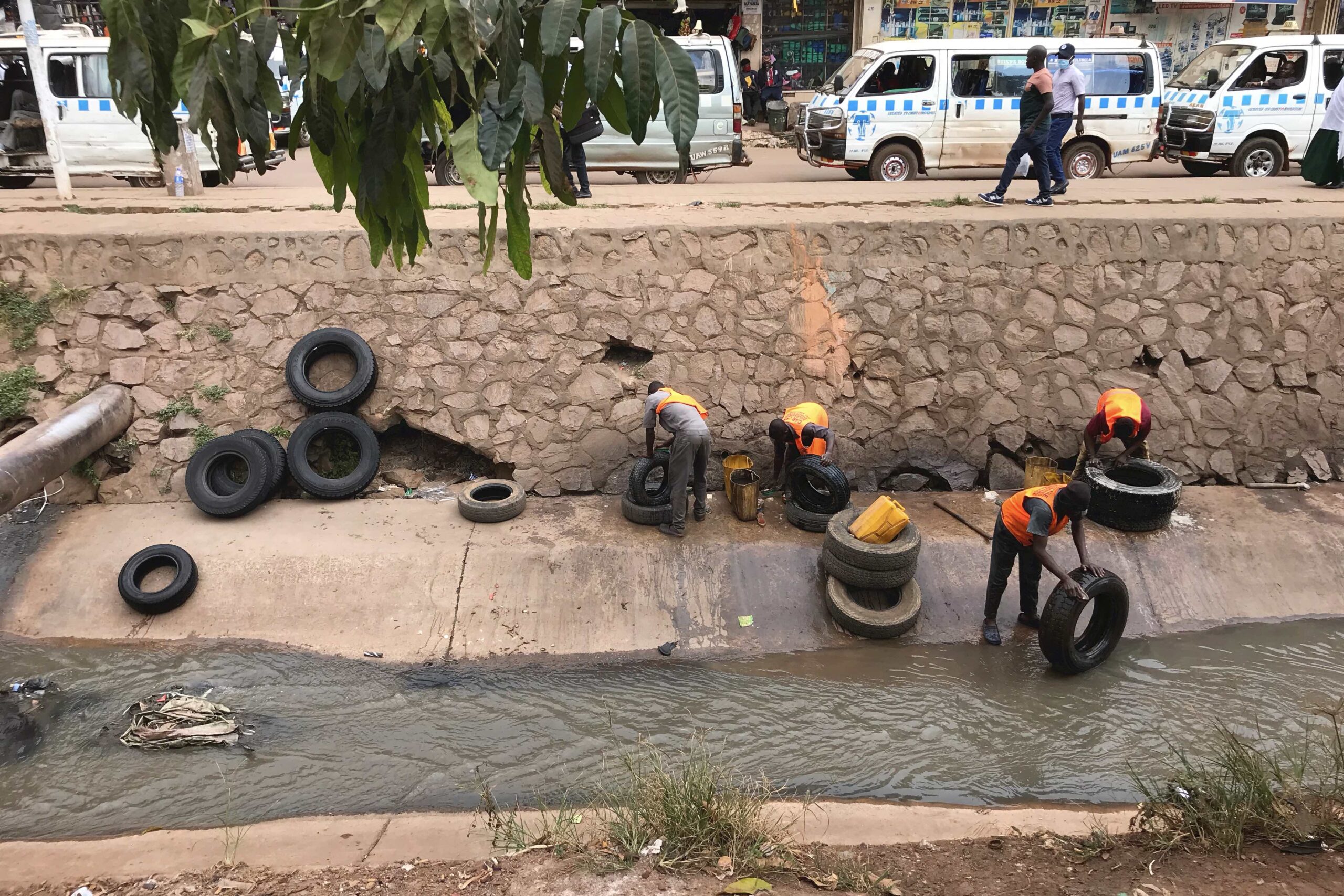
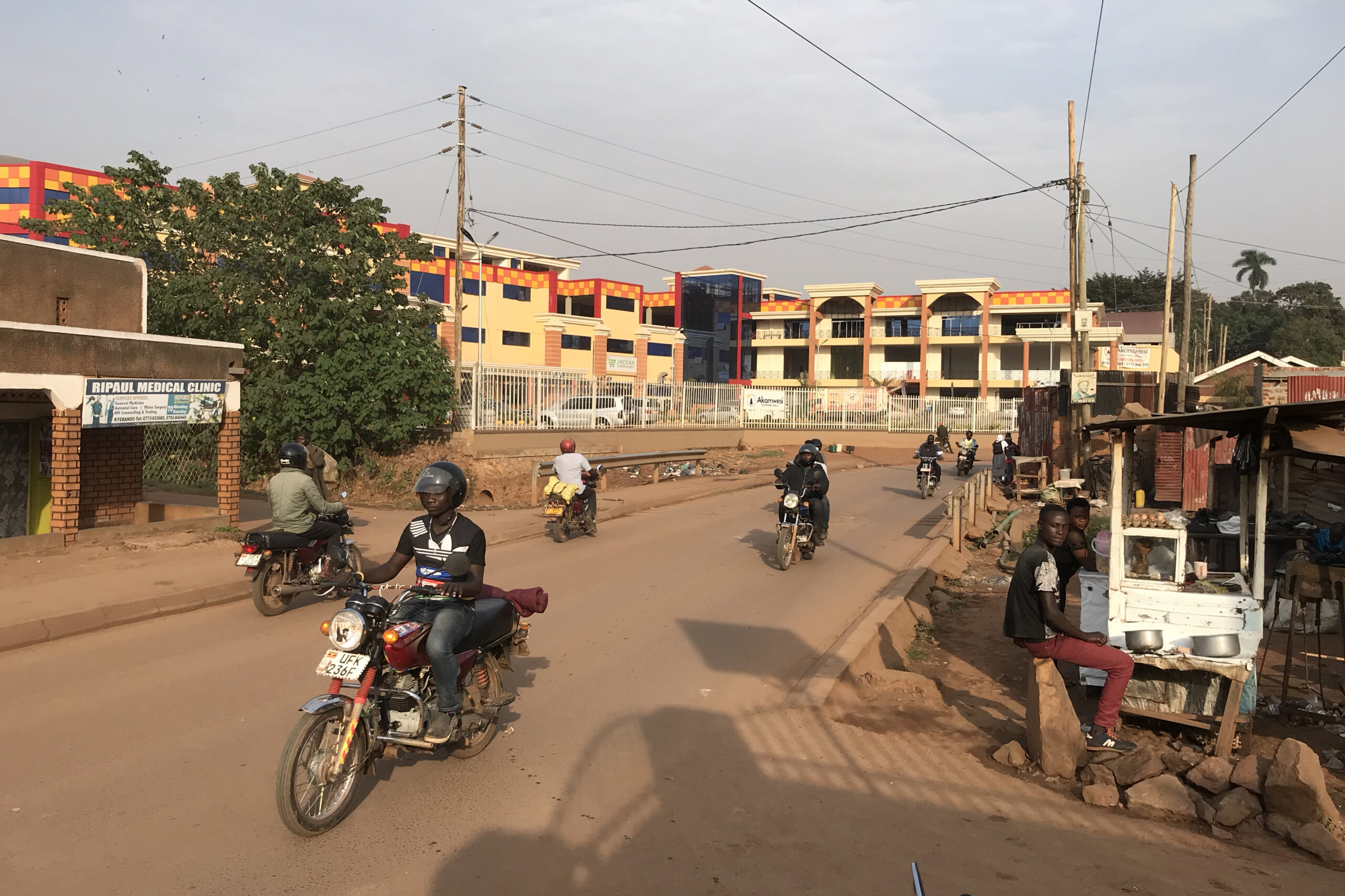
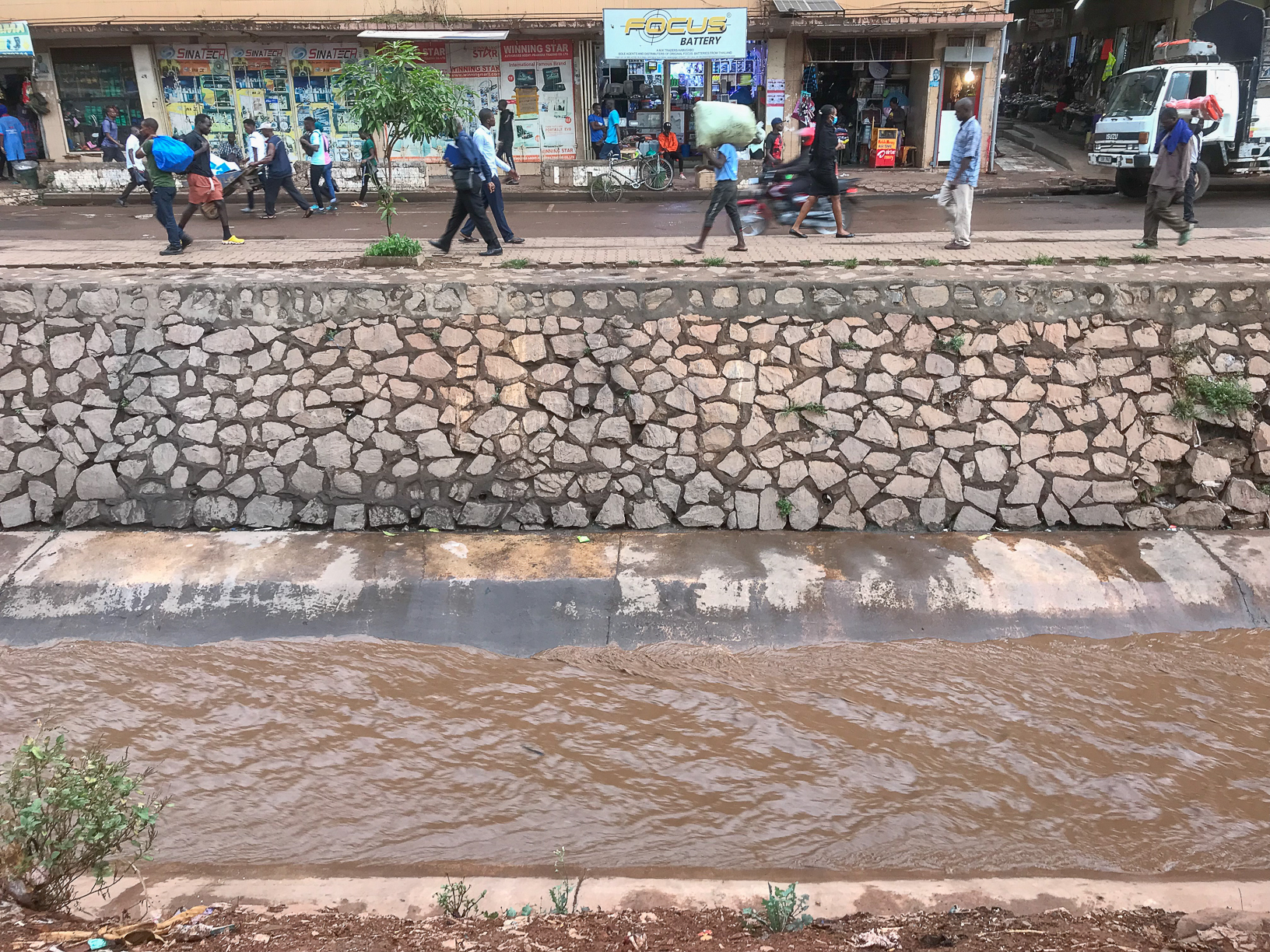
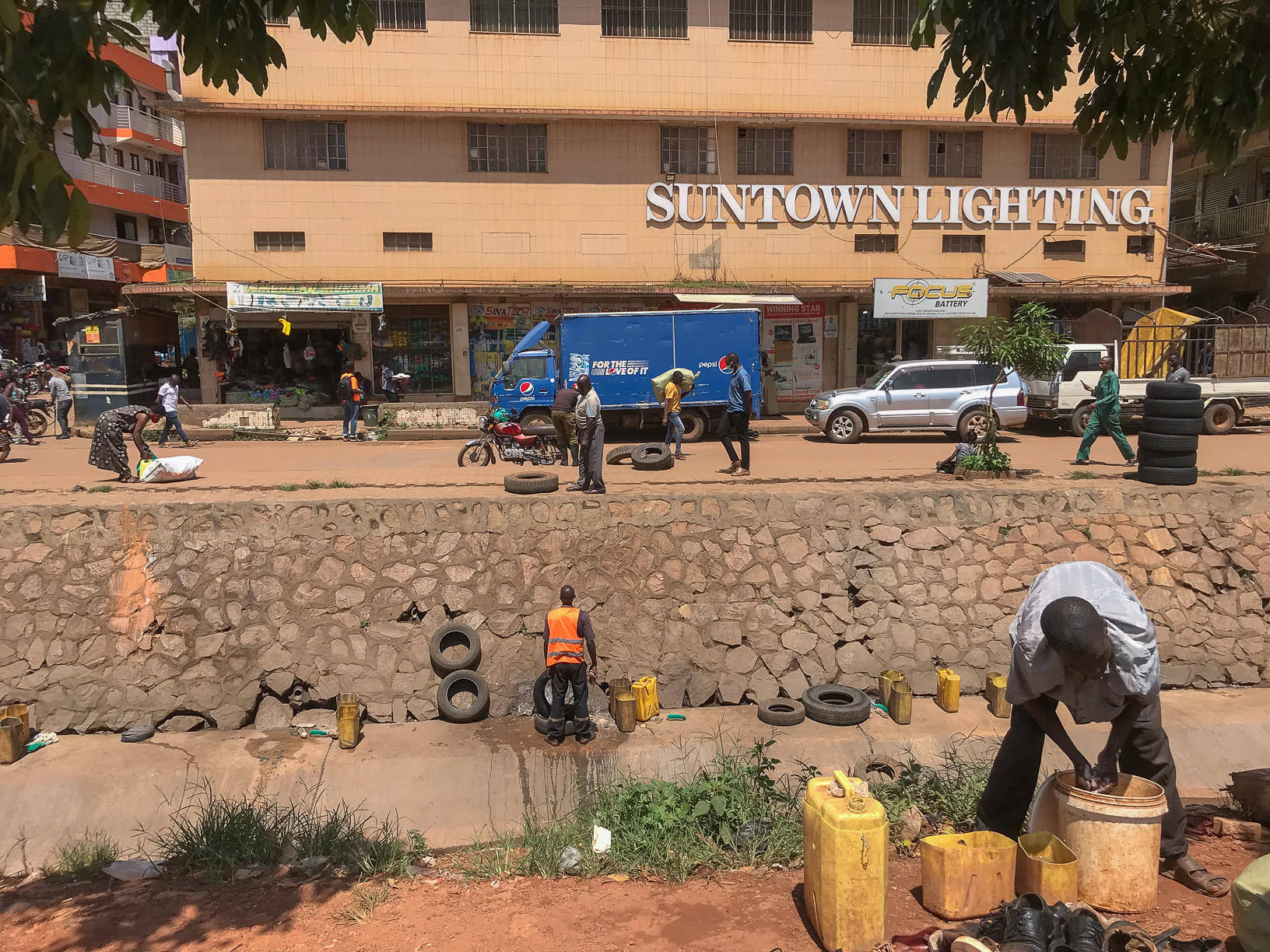
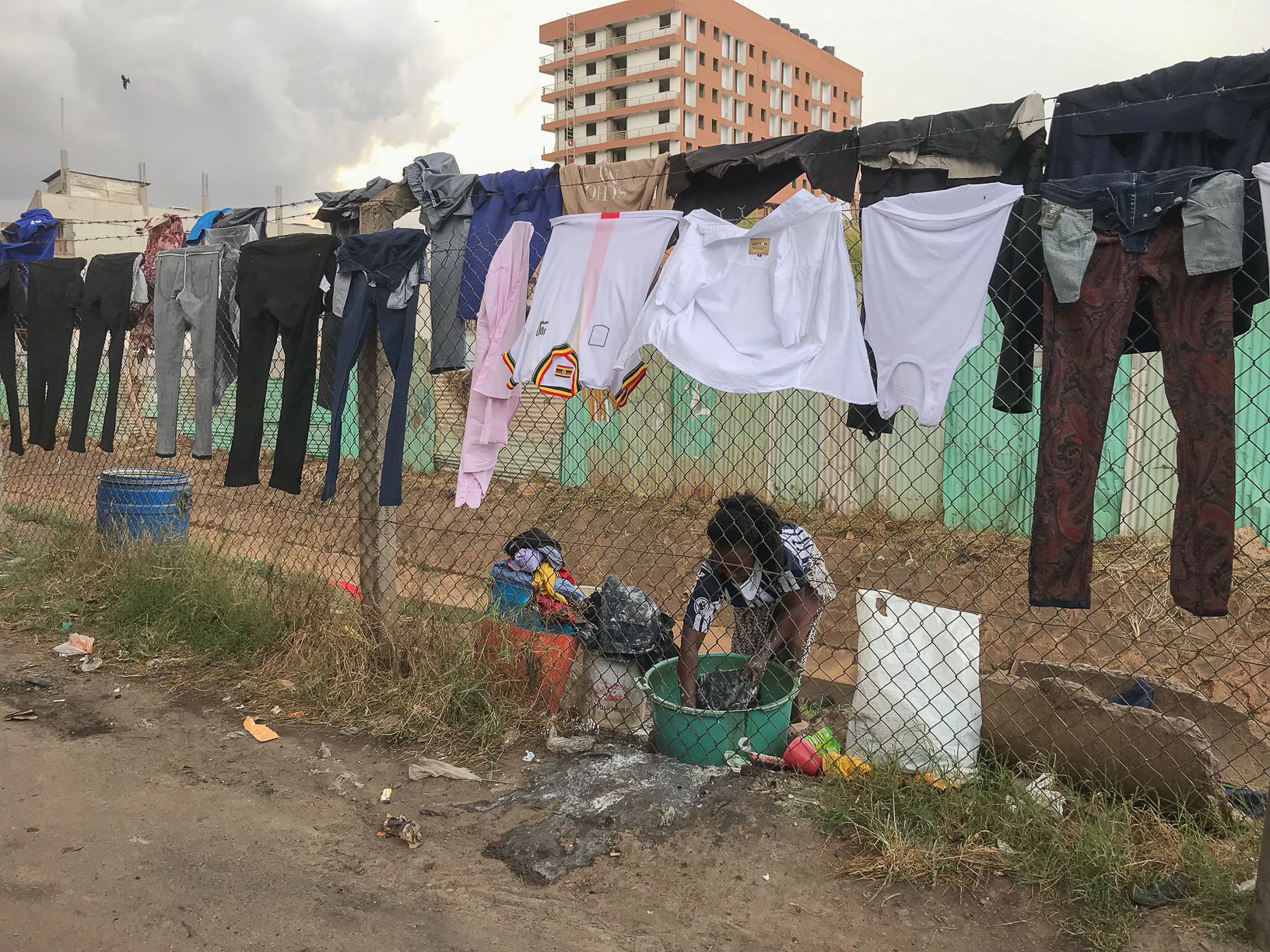
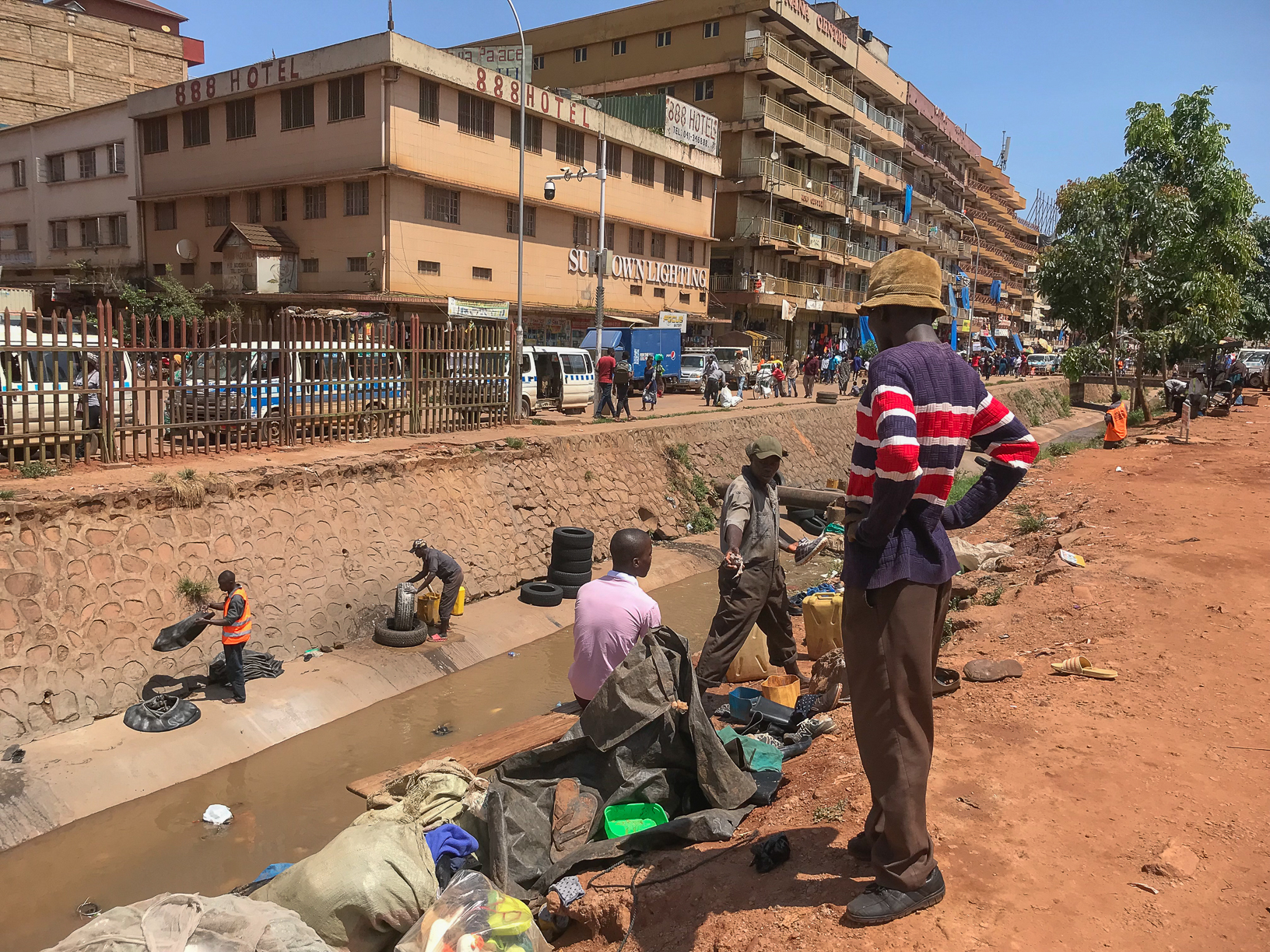
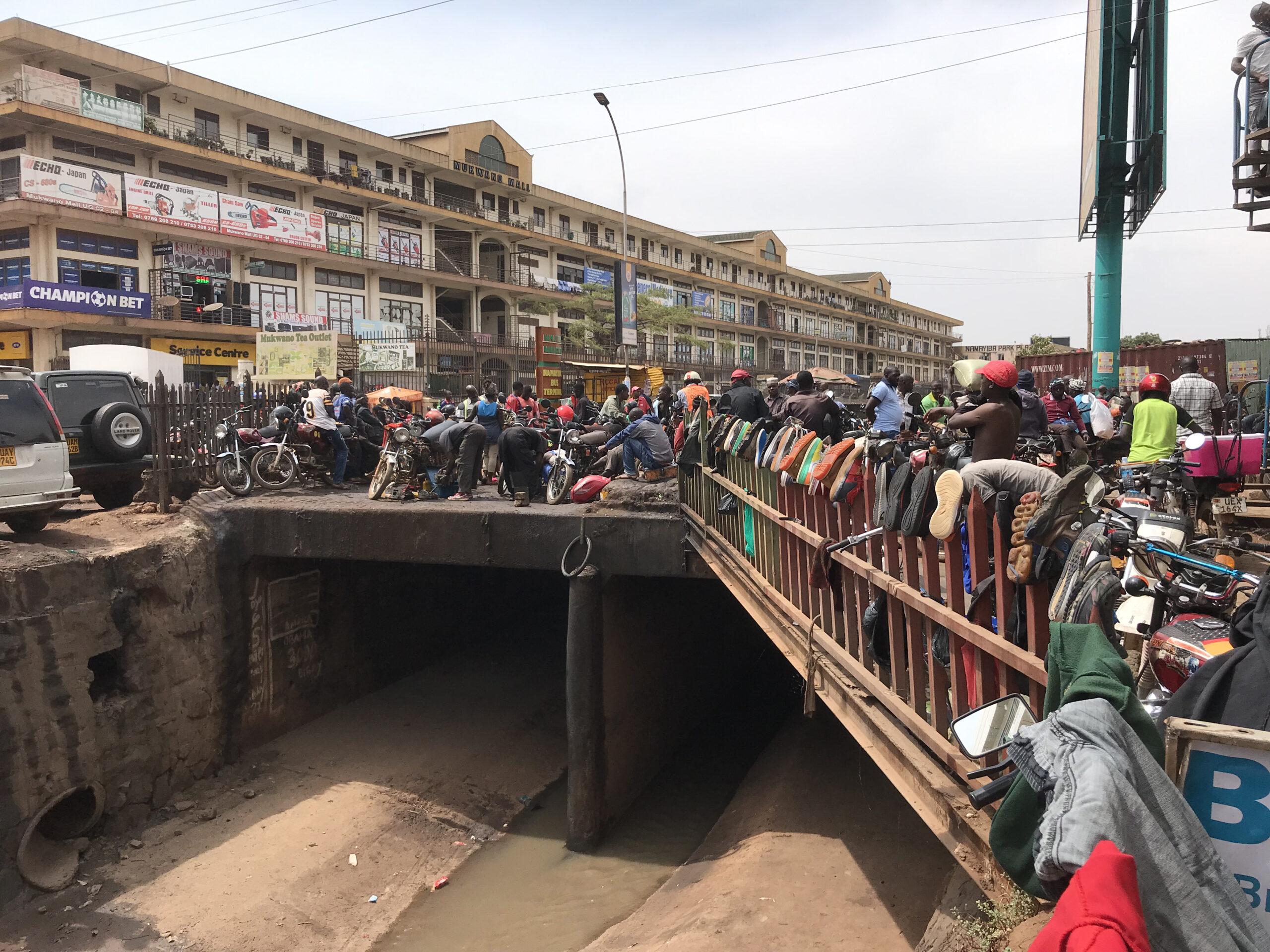
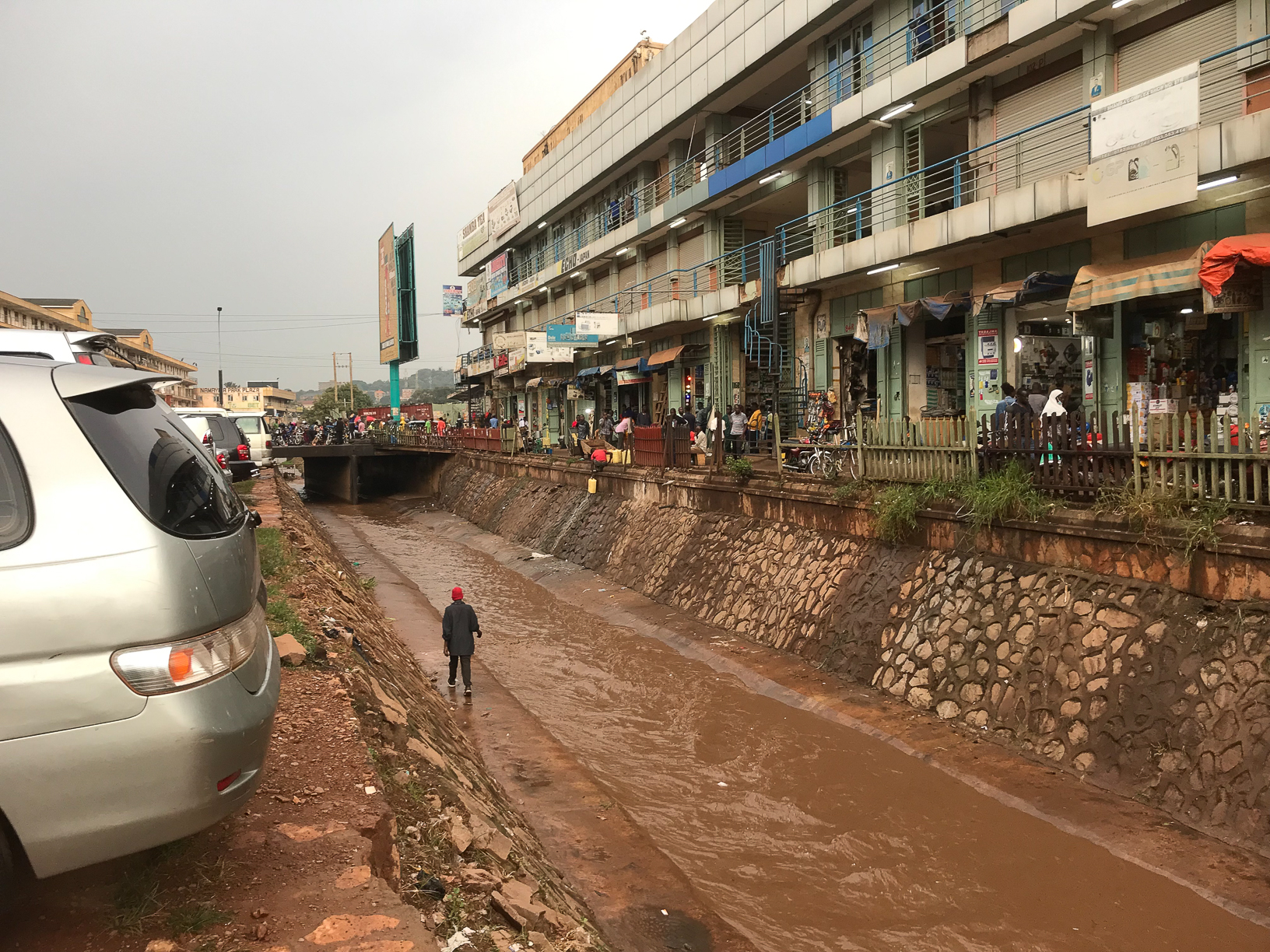
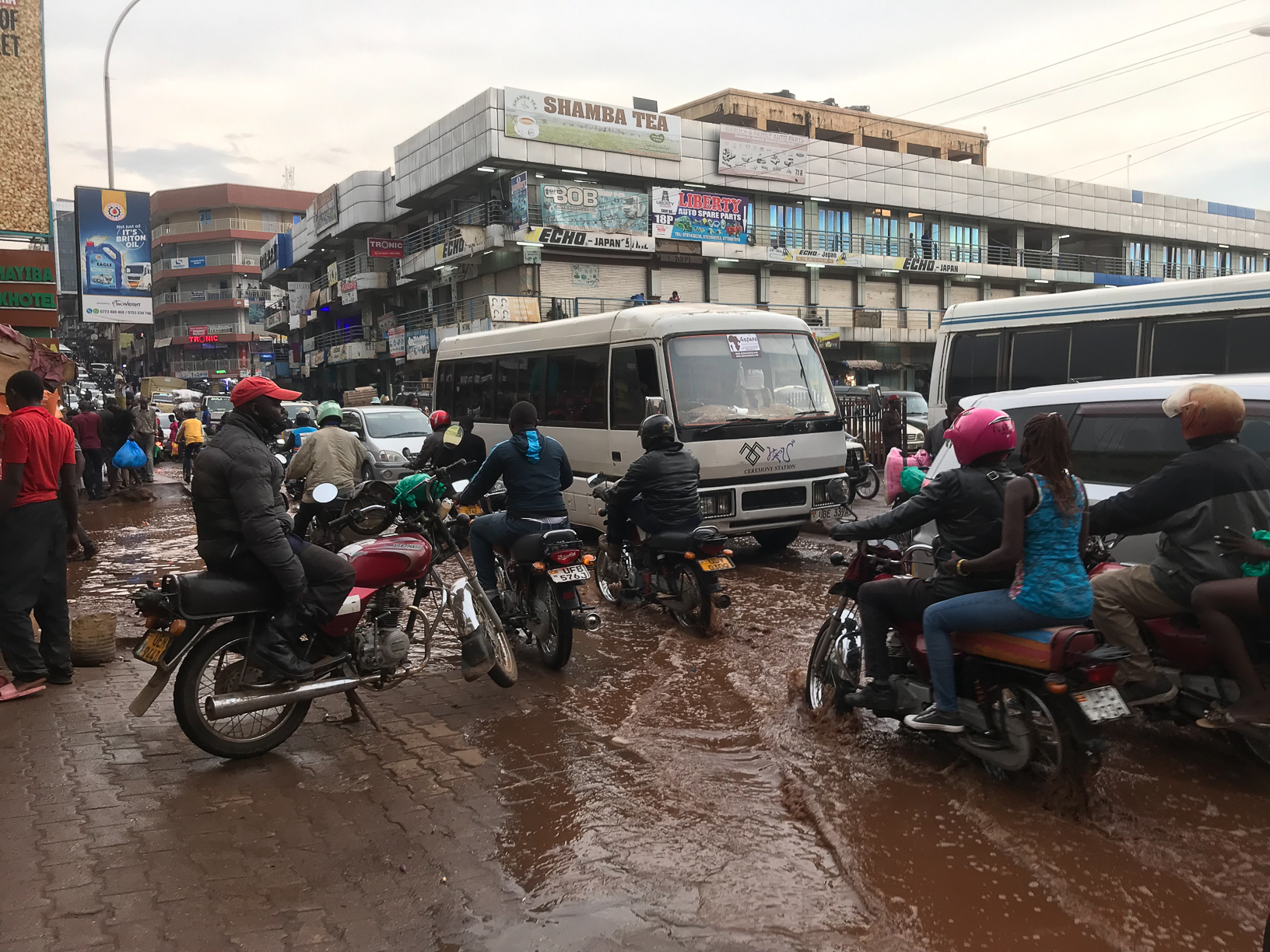
The photo project features Nakivubo Channel, a tributary channel and adjacent streets, the only drainage channel to run through the city’s central business areas, which is badly in need of improvement and expansion. During prolonged heavy rainfall, the Channel floods, hitting Kampala’s already marginalised urban residents hardest. During dry periods however the channel takes on different meanings and purposes, existing as a piece of transitory urban infrastructure which people can use to engage in informal economic jobs and traverse the city.
Kampala looks and feels very different in the aftermath of heavy rains. The project displays the Channel at different points of the year, including flooding after heavy rainfall in September 2021, the hot and dry month of January 2022, and the beginning of the rainy season in February 2022, in advance of expected heavier rainfall in March. The project explores environmental injustices, the negotiation of rapidly shifting urban space, and the different ways in which people use, and adapt, their everyday lives in response to the ongoing global climate emergency and its consequences.
Photographer: Jim Joel Nyakaana
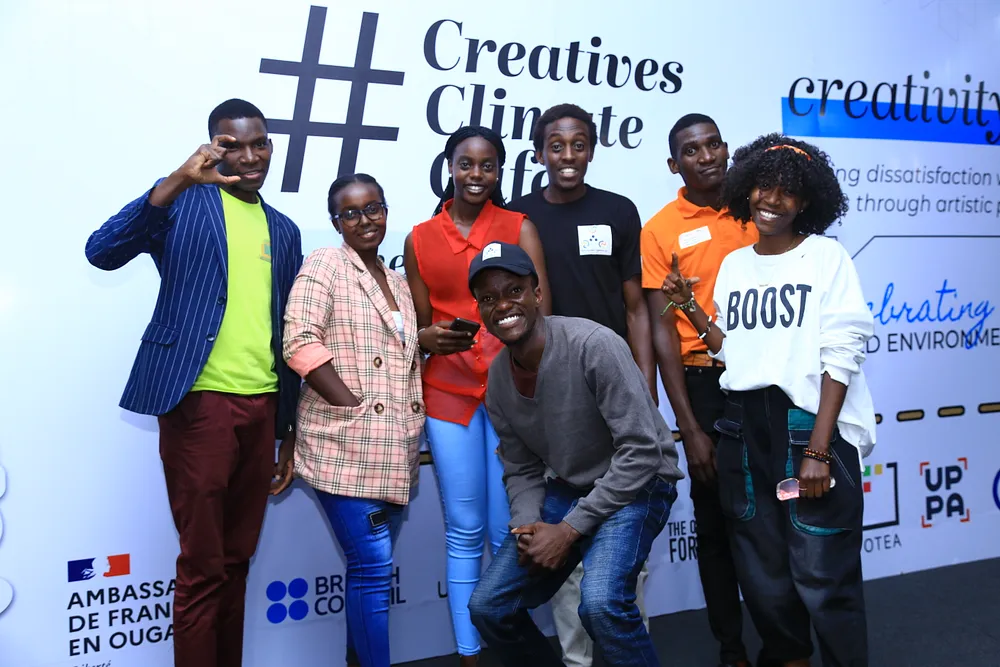
Creatives Climate Café
Our two-day Creatives Climate Café was co-led by GENERATE and the African Youth Initiative on Climate Change (AYICC), with support from the British Council, The Open Society Initiative for Eastern Africa, FOTEA, Uganda Press Photo Award (UPPA), Media Challenge Initiative, Design Hub Kampala, and the Embassy of France in Kampala.
As Juliet Grace Luwedde, regional coordinator for the African Youth Initiative on Climate Change, reflects: “The idea of the Creatives Climate Café was to bring together creative minds, storytellers, poets, painters, photographers and children in Kampala to interpret or simplify conversations around climate, and to think together of how to tell the success stories about the changes that are happening. A government official also joined us to explore possible collaborations to report about their work on climate, which is one of the biggest outcomes of the Climate Café: people realising that conversations on climate change need to happen outside of conference rooms”.
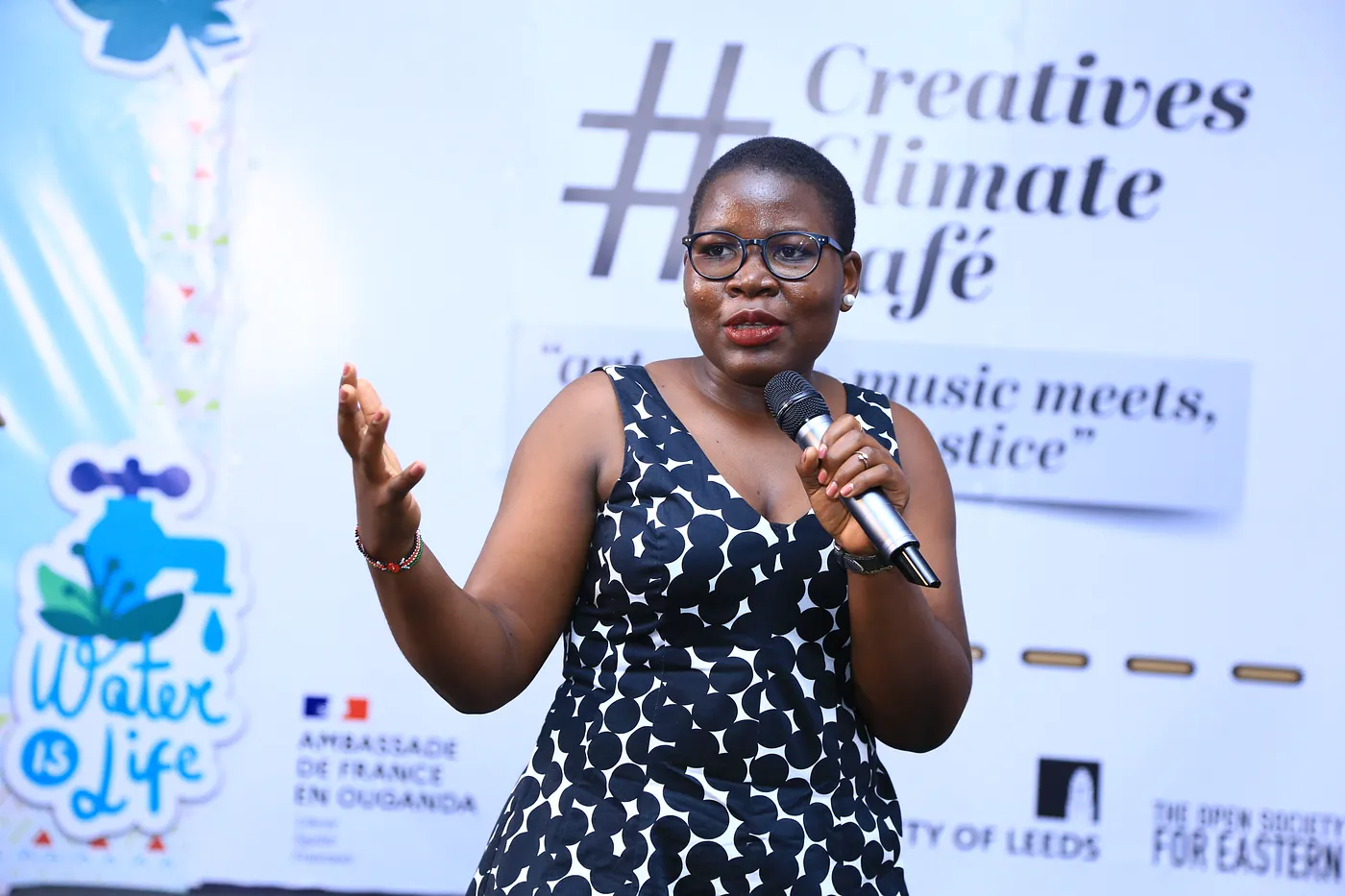
The Café was scheduled around World Environment Day 2022 and provided an opportunity for over 100 young people, creatives, activists, journalists and others interested in the issue of climate change in Uganda to come together and engage in creative responses and push for more climate action at the national and international scale.
The event included a keynote from the French Ambassador to Uganda, and comprised of interactive creative sessions on climate change and creative writing, photography, storytelling, and gender justice. The event provided new lessons and skills for a collection of engaged young people and creatives, as well as engaging key policymakers and stakeholders in better understanding the role of the arts and creative expression in climate action and policy.
The Café span out into new partnerships between media, practitioners, third sector organisations and artists, and reported new programmes of activity and practice focused on social inclusion and climate change, especially using creative arts to share climate stories.
Creatively Queering Climate and Environmental Justice: LBQ Women in Uganda
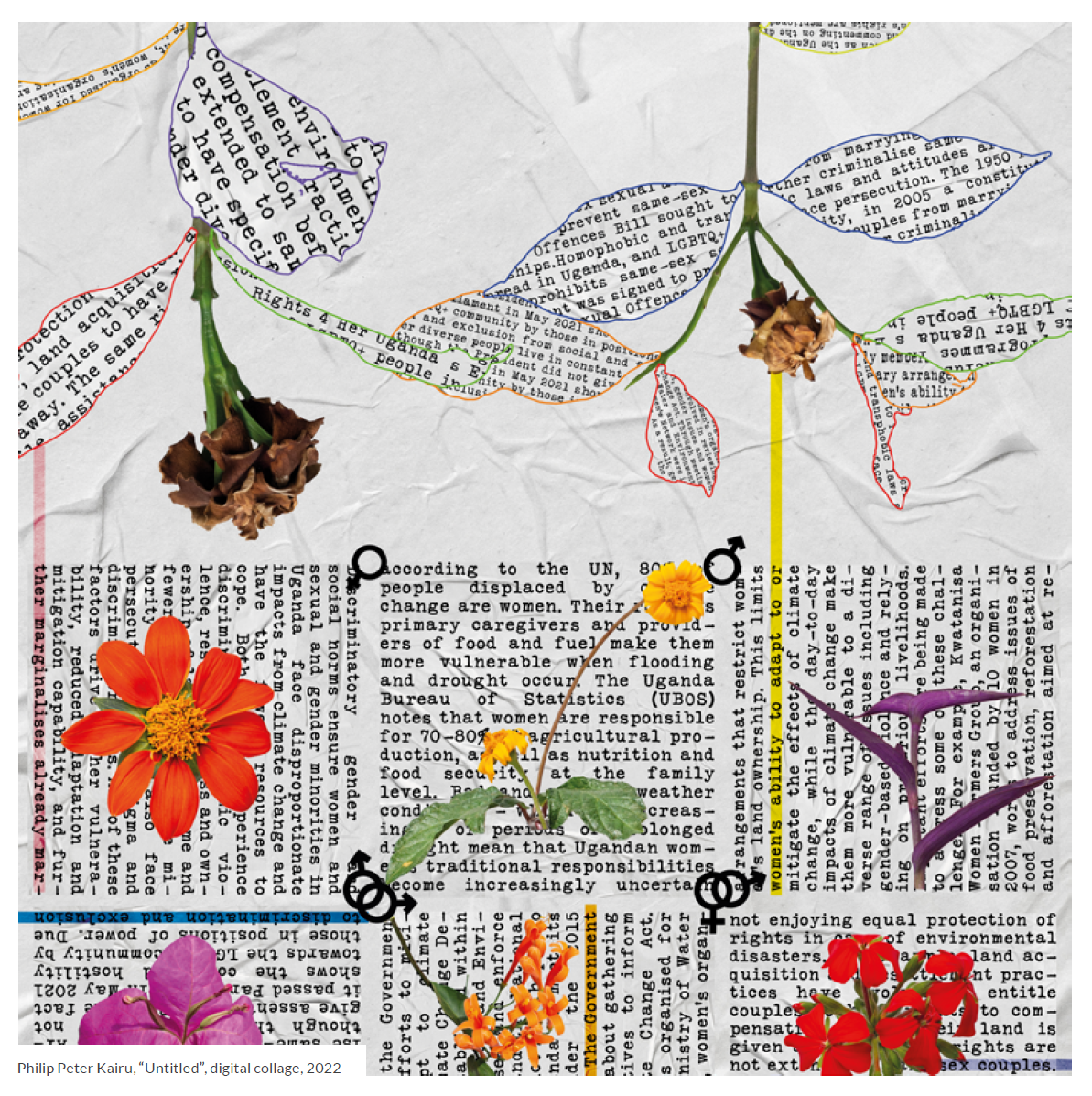
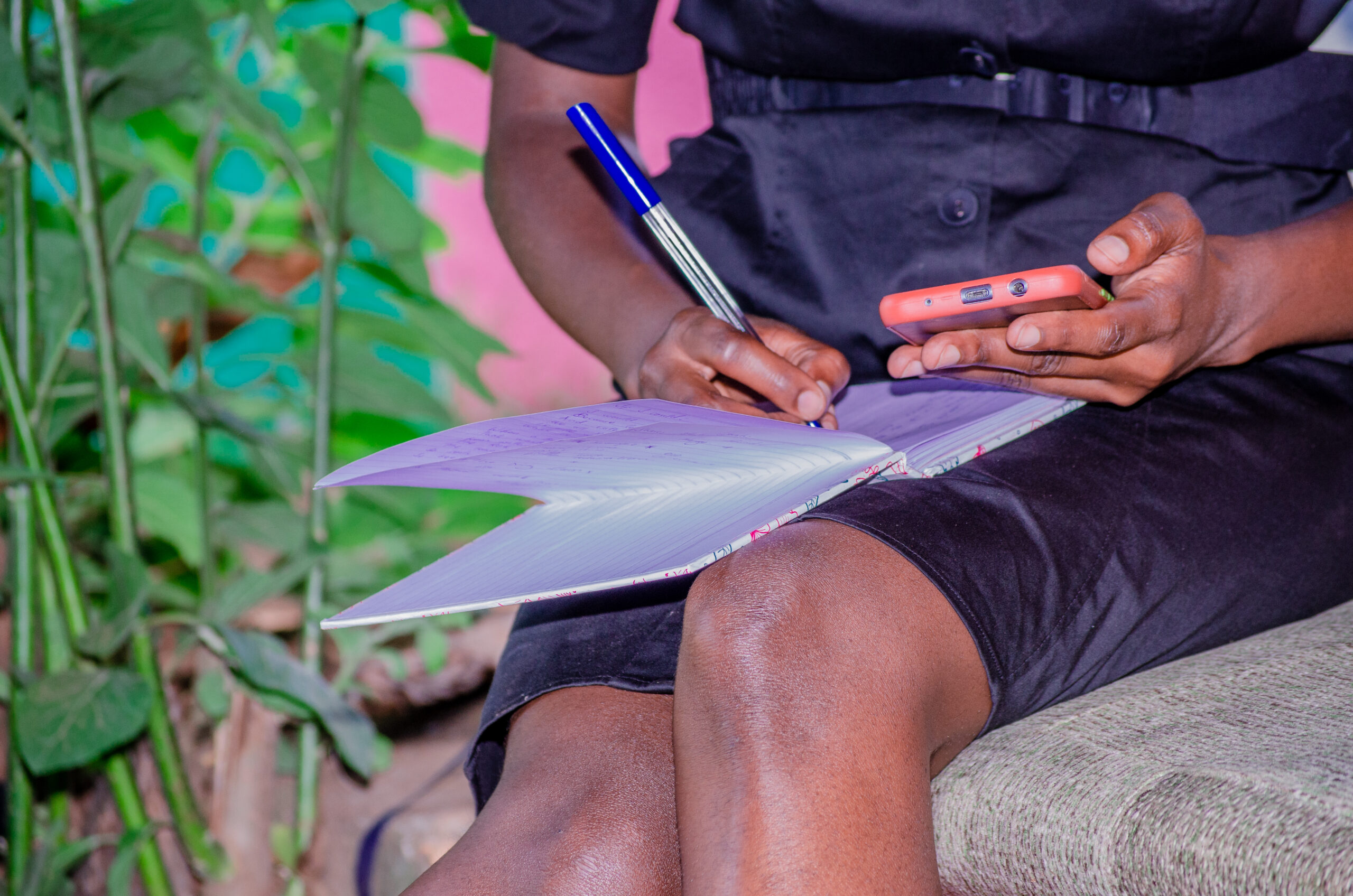
Facilitated by a poet and collage artist and in collaboration with a civil society organisation, GENERATE hosted two two-day workshops with LBQ (lesbian, bisexual and queer) women living in Kampala, Uganda.
The workshops provided LBQ women with the opportunity to creatively explore and reflect on their lived experiences of climate change and environmental injustice and how these relate to broader social and political injustices they face. The participants used both poetry and collage to highlight interrelated issues relating to housing and being unhoused, ageing, economic justice, and health and wellbeing, and how these are impacted by and intersect with broader environmental and climate injustices they face in Kampala, Uganda.
We created a safe space in which to also celebrate and centre the creativity, agency and resilience of our participants, providing materials and mentorship to experiment with creative expression and support each other’s works.
The first workshop provided a safe space for LBQ women to learn creative writing skills, discuss their lived experiences, share stories and memories, and build relationships and critical awareness of how sexual and gender diversity shapes climate impacts. A poet helped shape the emerging poems and provide feedback as we interwove discussion, performance, group feedback, shared meals and individual writing and quiet reflection across the span of two days.
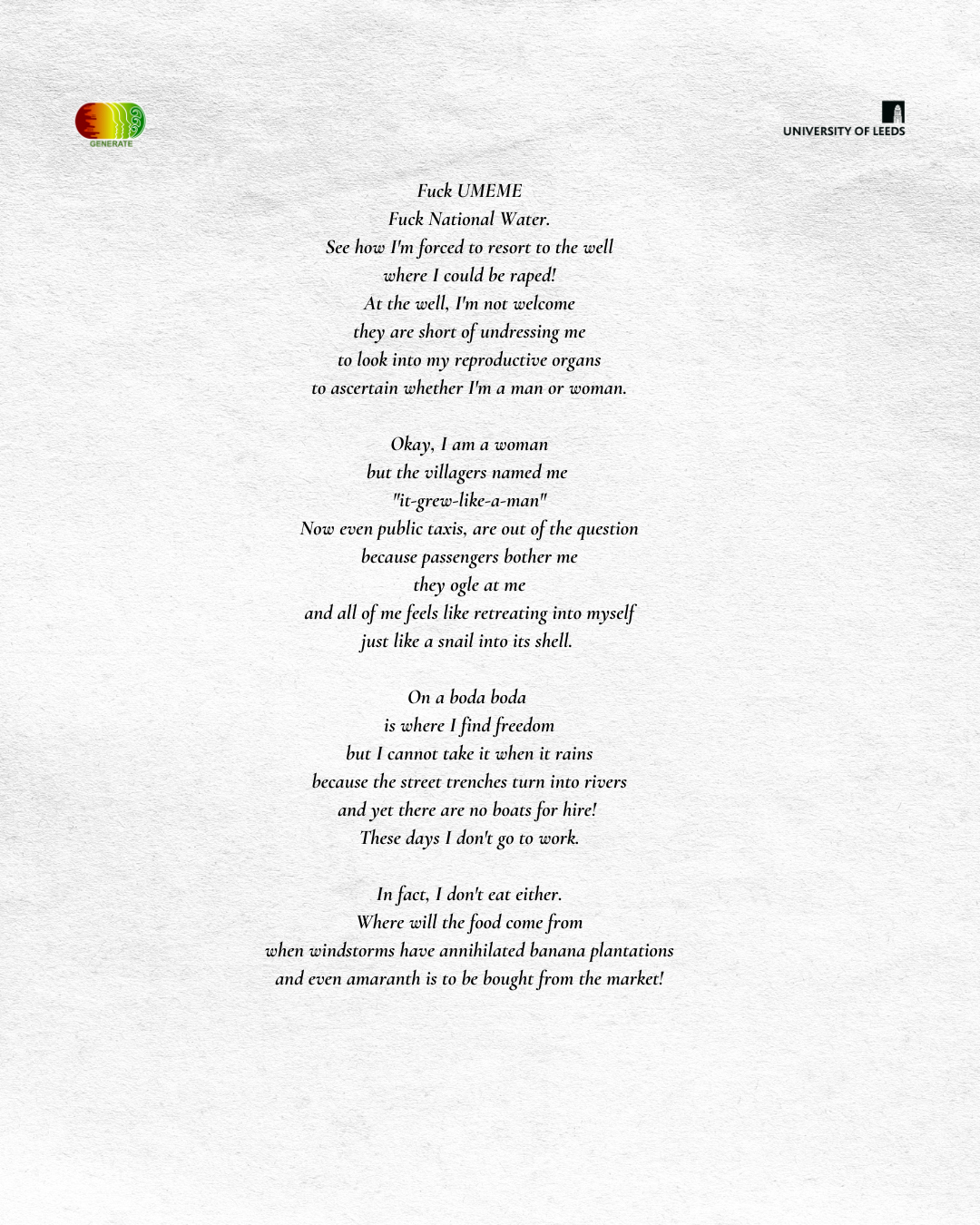
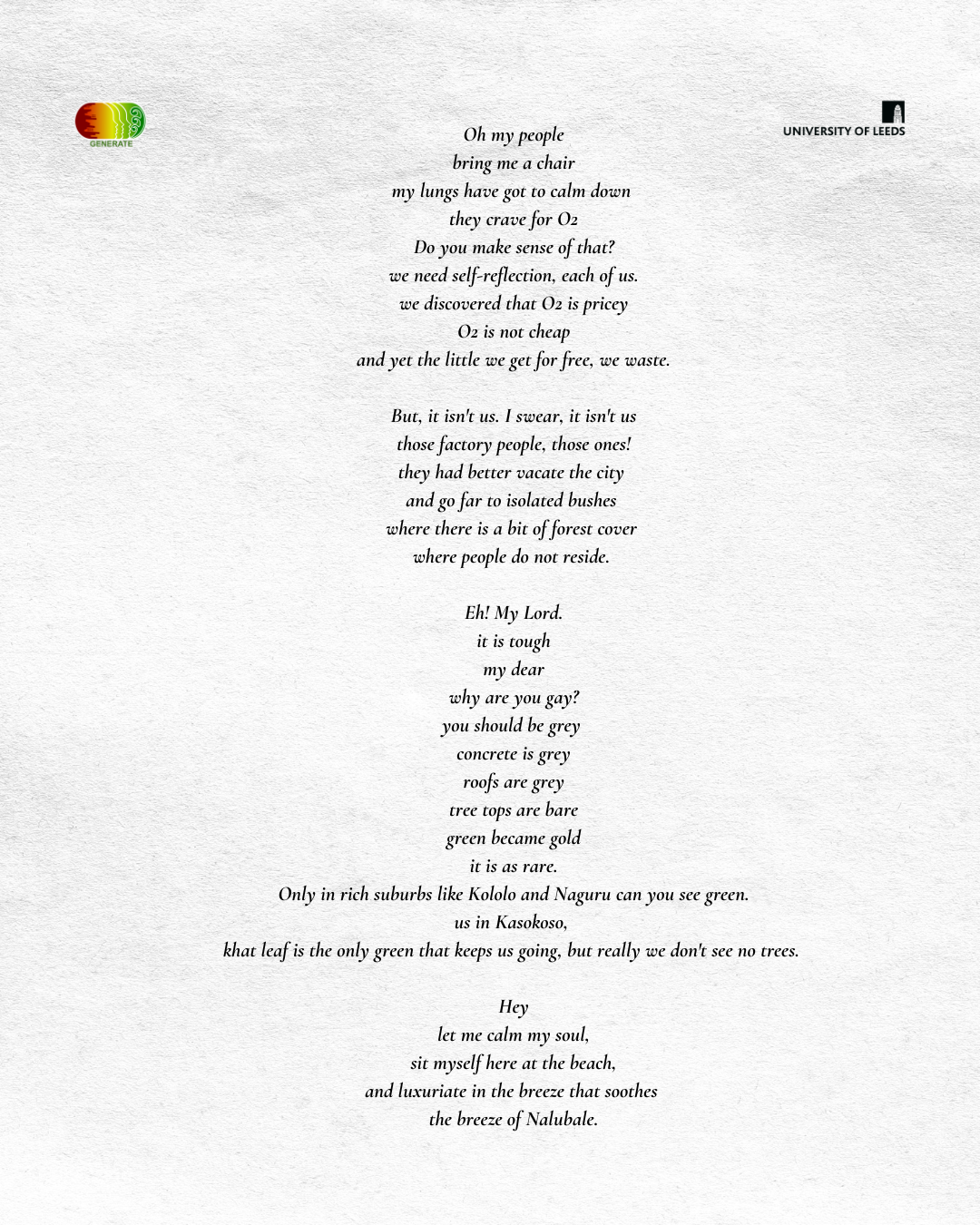
The workshop produced 15 poems on environmental themes, some of which are shared here. We have not included the poets’ names to protect their identities in light of the ongoing violent and political discrimination against sexual and gender diverse communities in Uganda.


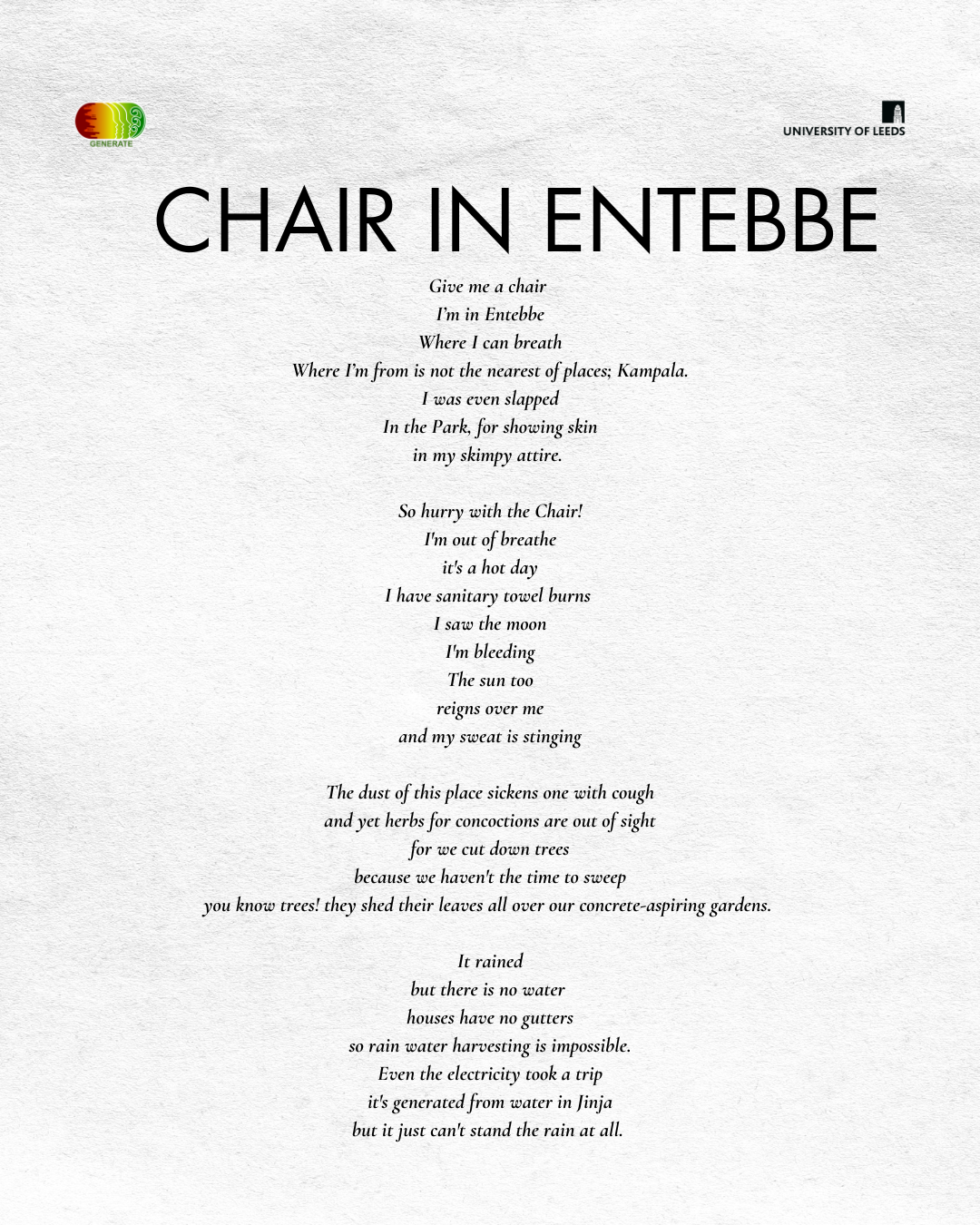
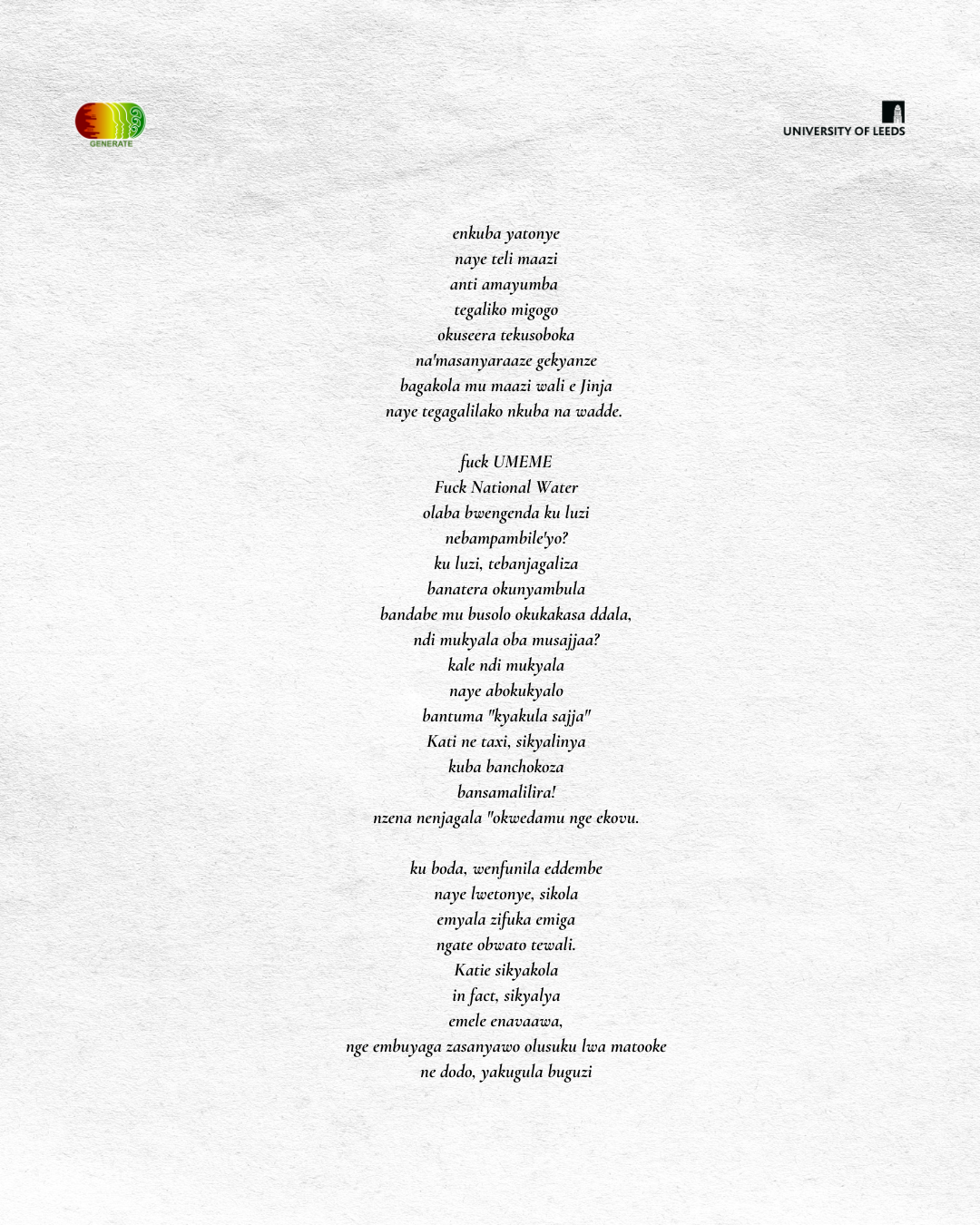
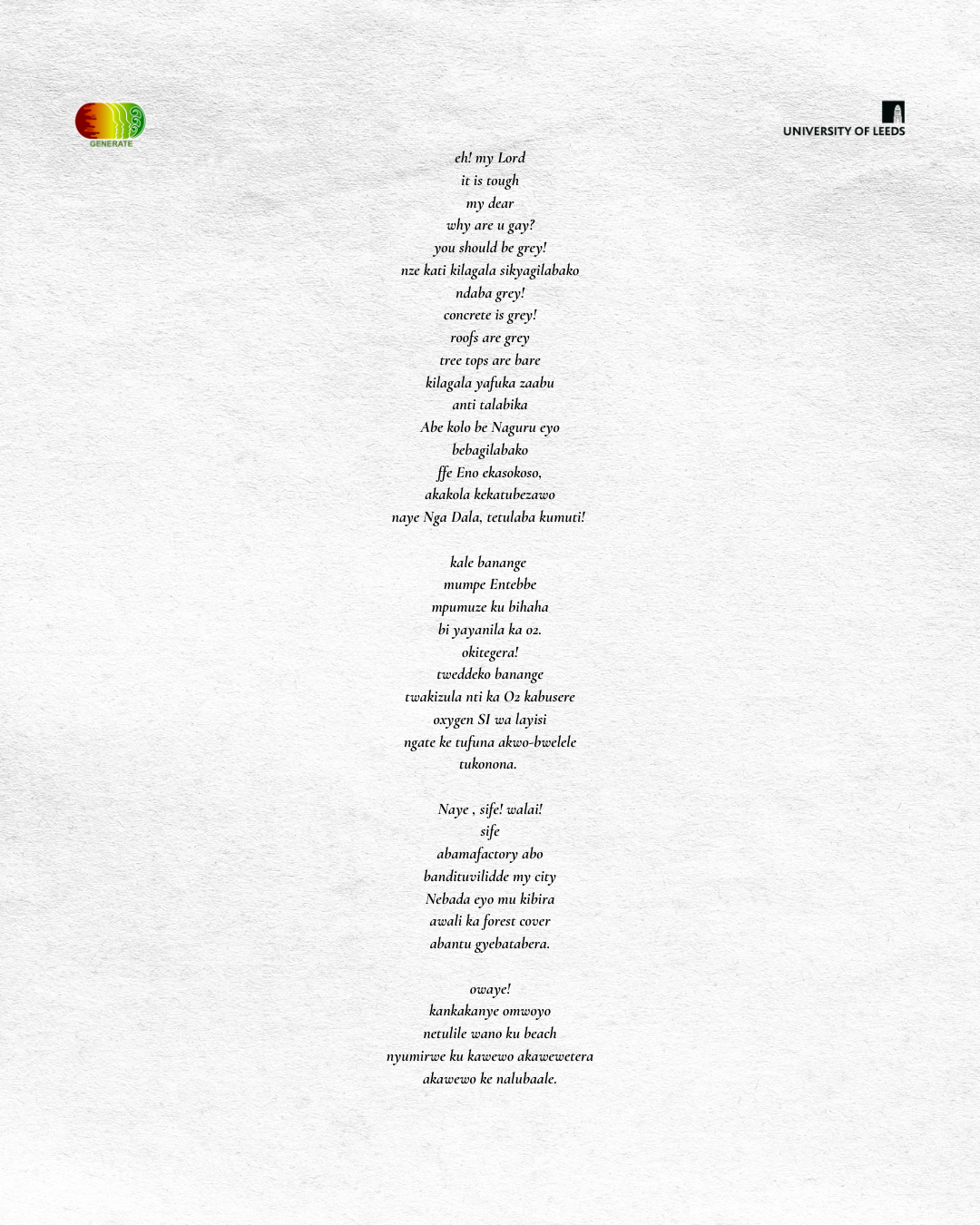
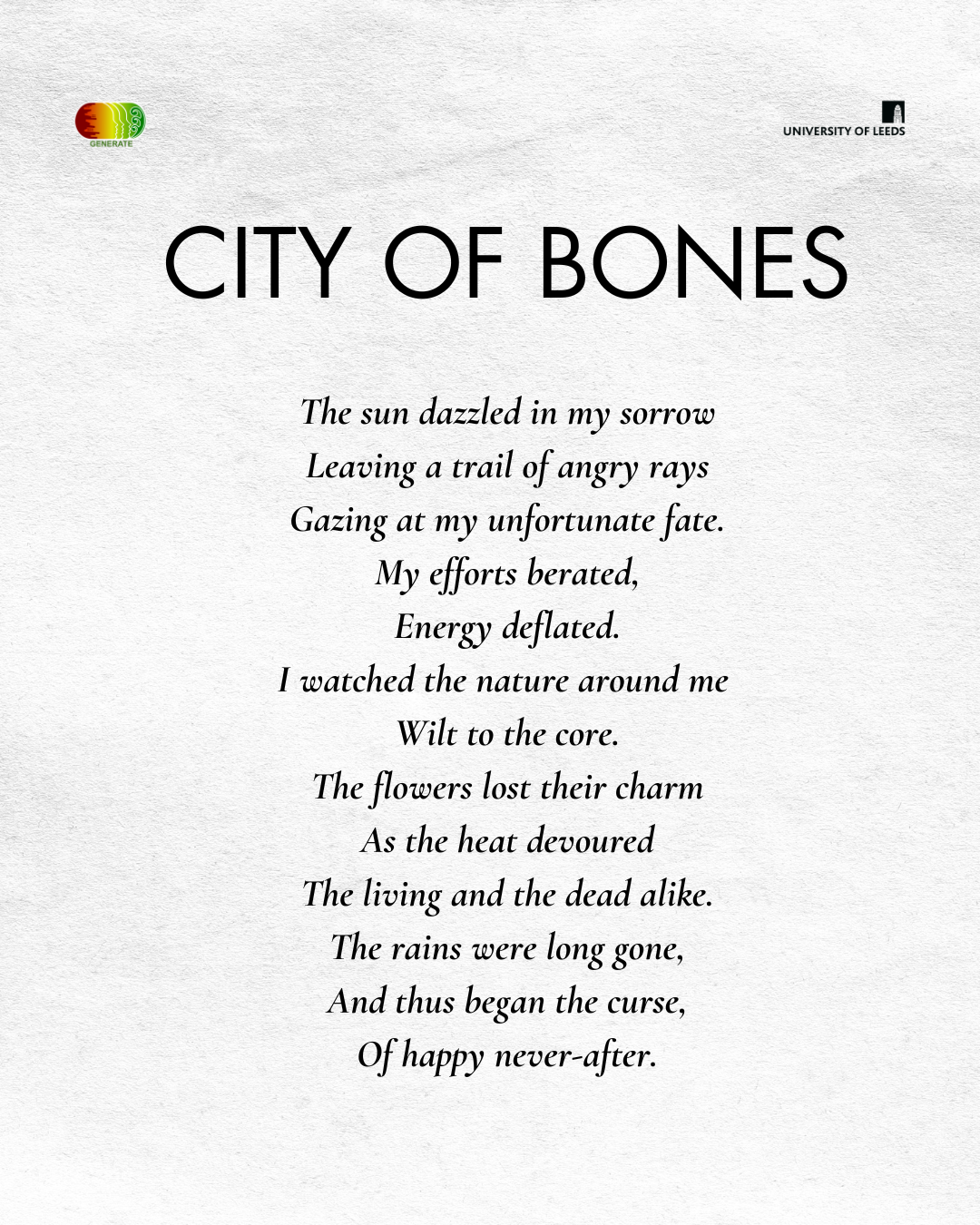

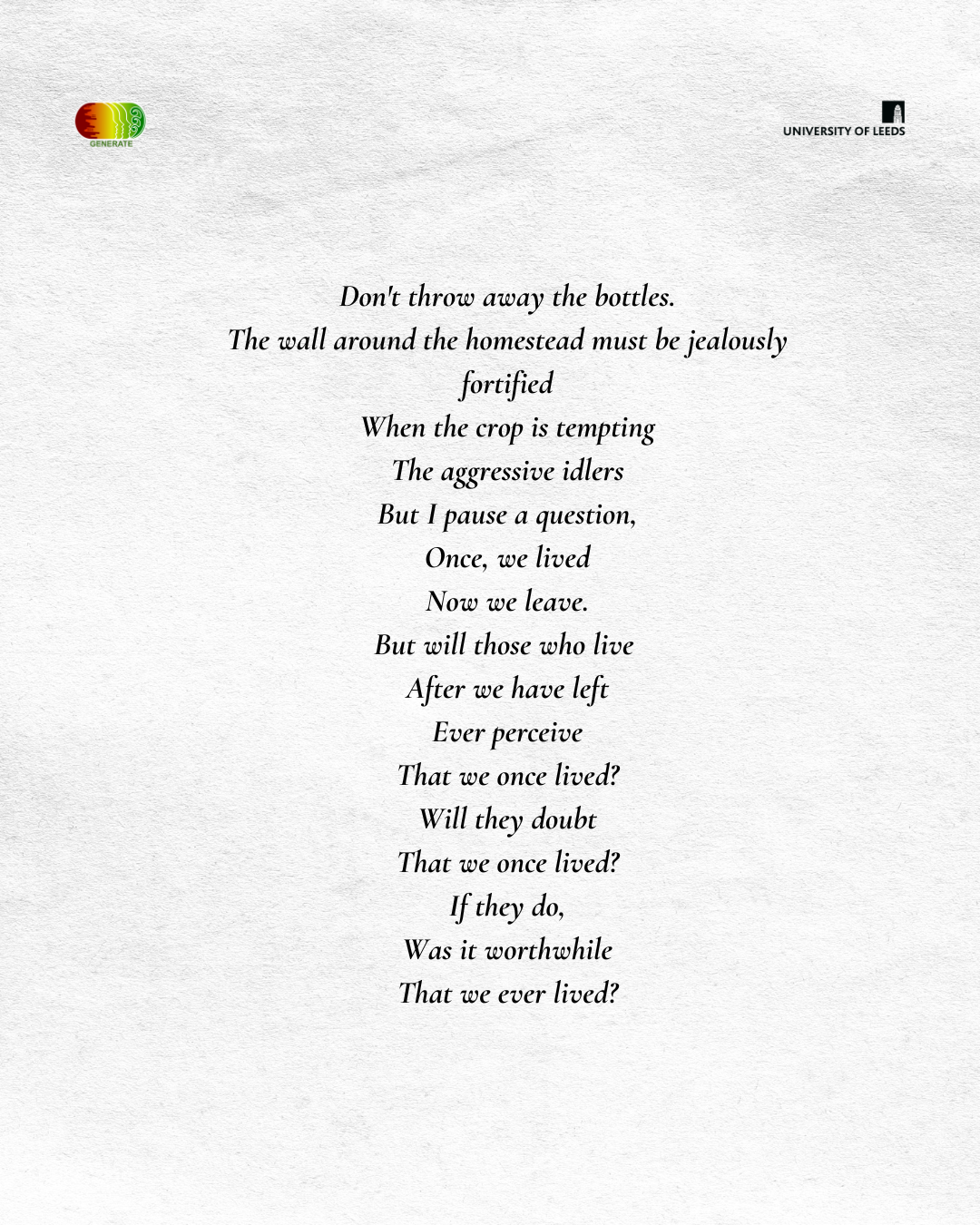
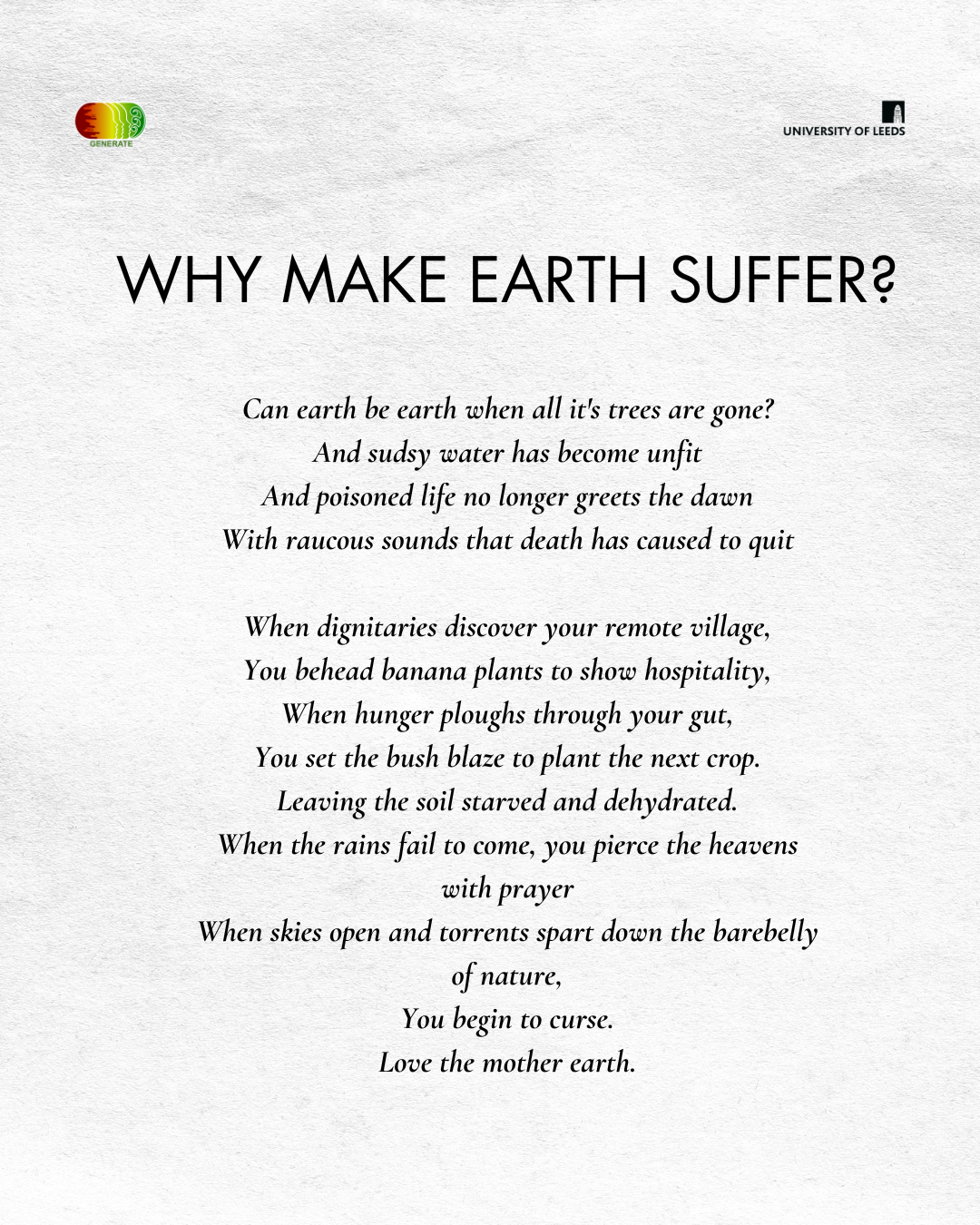

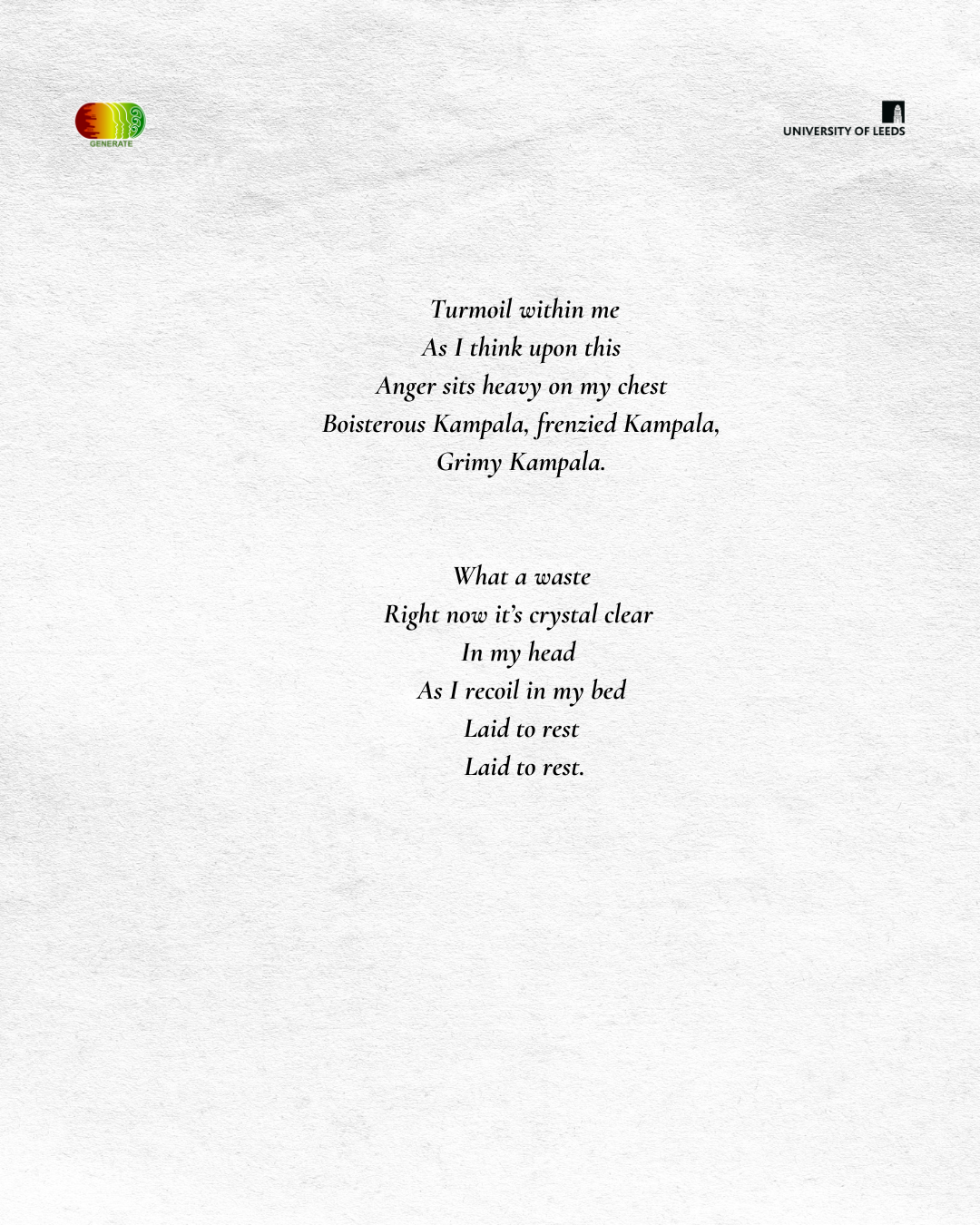
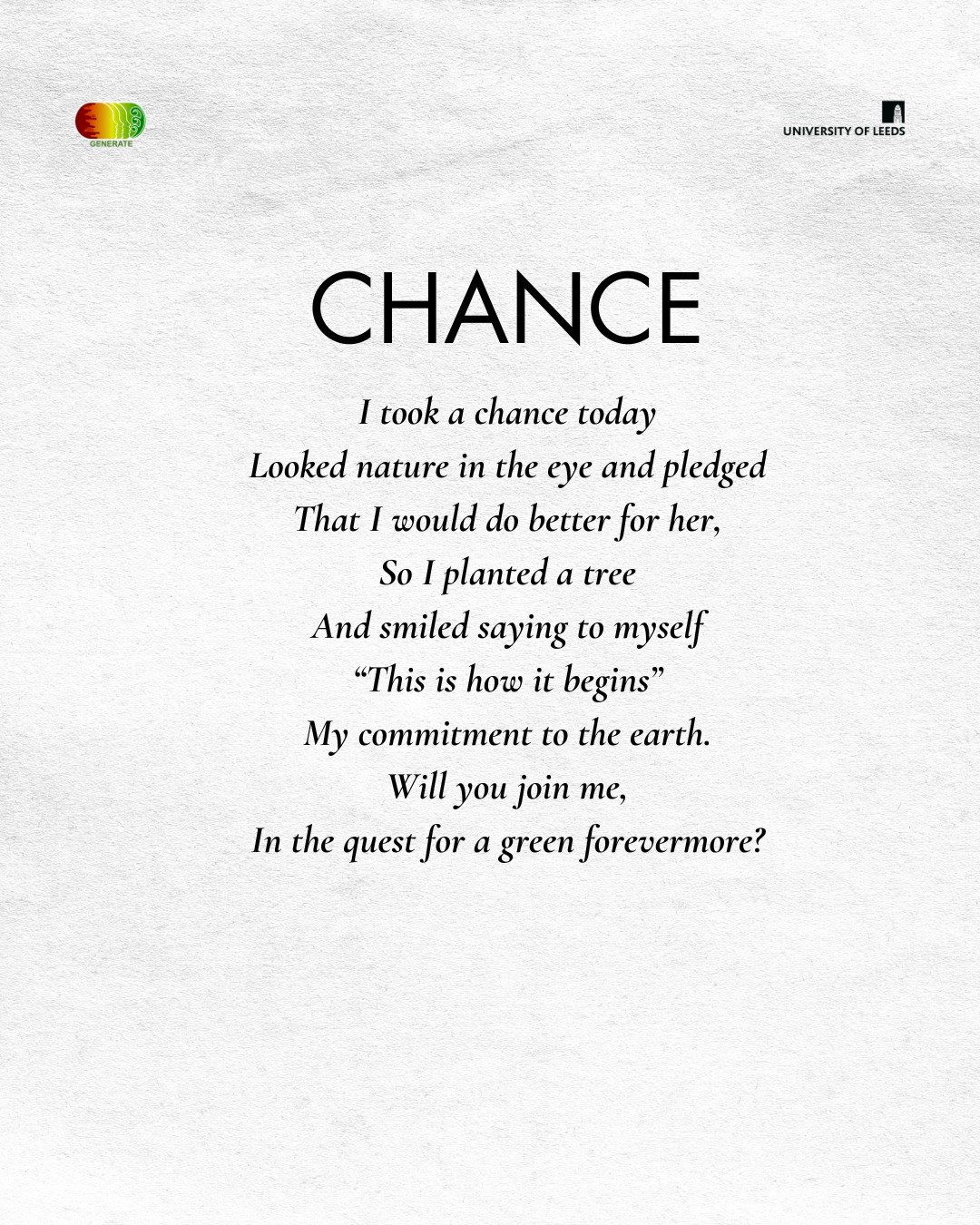


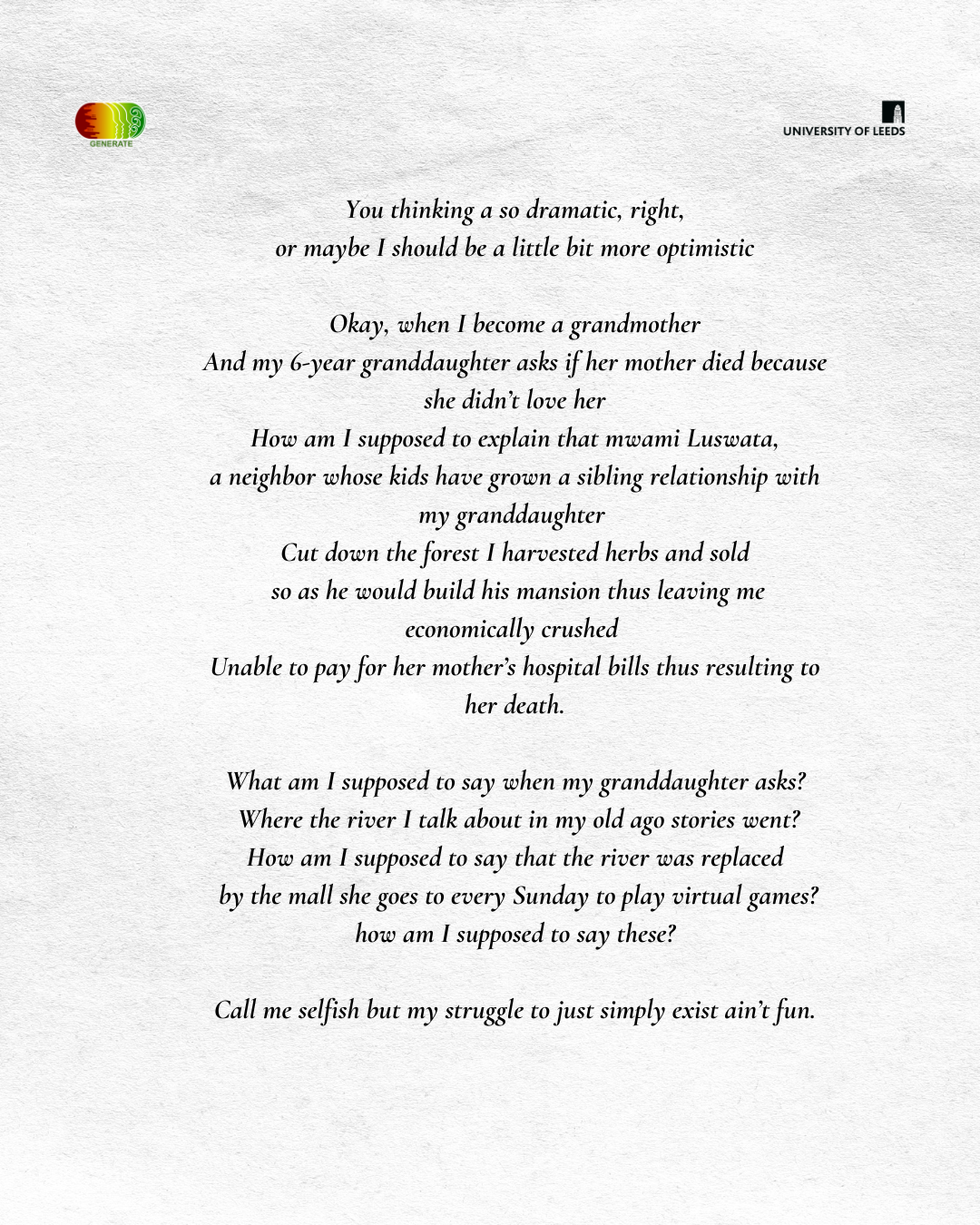
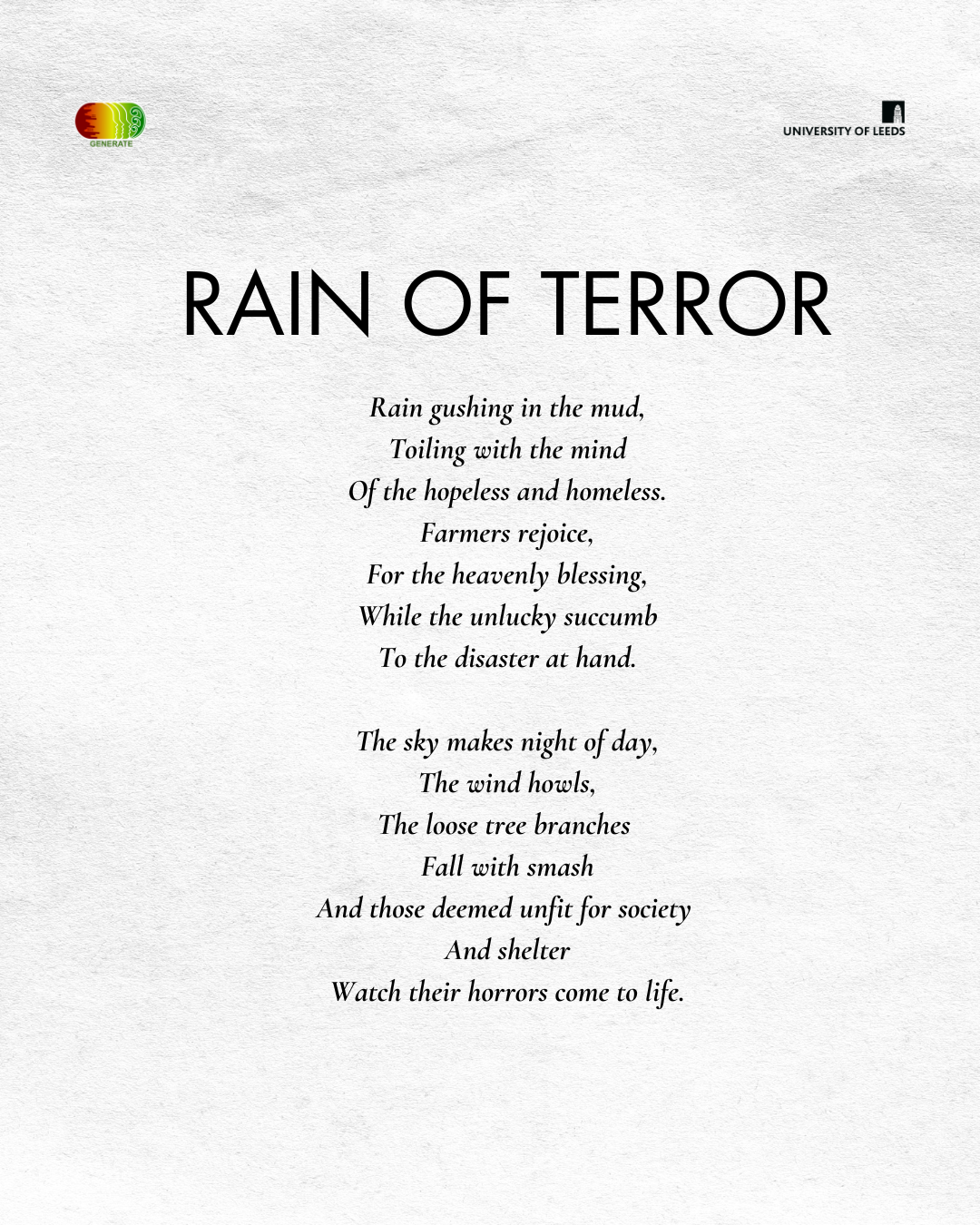


In the second two-day workshop, an artist taught participants about the (feminist) history of collage, different collage techniques and skills, explored the work of different collage artists around the world, how to bring local crafts and traditional forms of weaving into collage, and engaged in cycles of creativity, experimentation, individual quiet reflection, and individual and collective collage activities. These were interwoven with discussion and sharing or stories and experiences, responding to each other and feeding back on creative pieces.
Participants reflected on how the combination of creative expression and discussion helped them to develop new climate knowledge, new relationships and partnerships with other LBQ women, an increased sense of wellbeing from connecting with other LBQ women about lived experiences of shared challenges and coping mechanisms, and developing a creative outlet for these experiences.
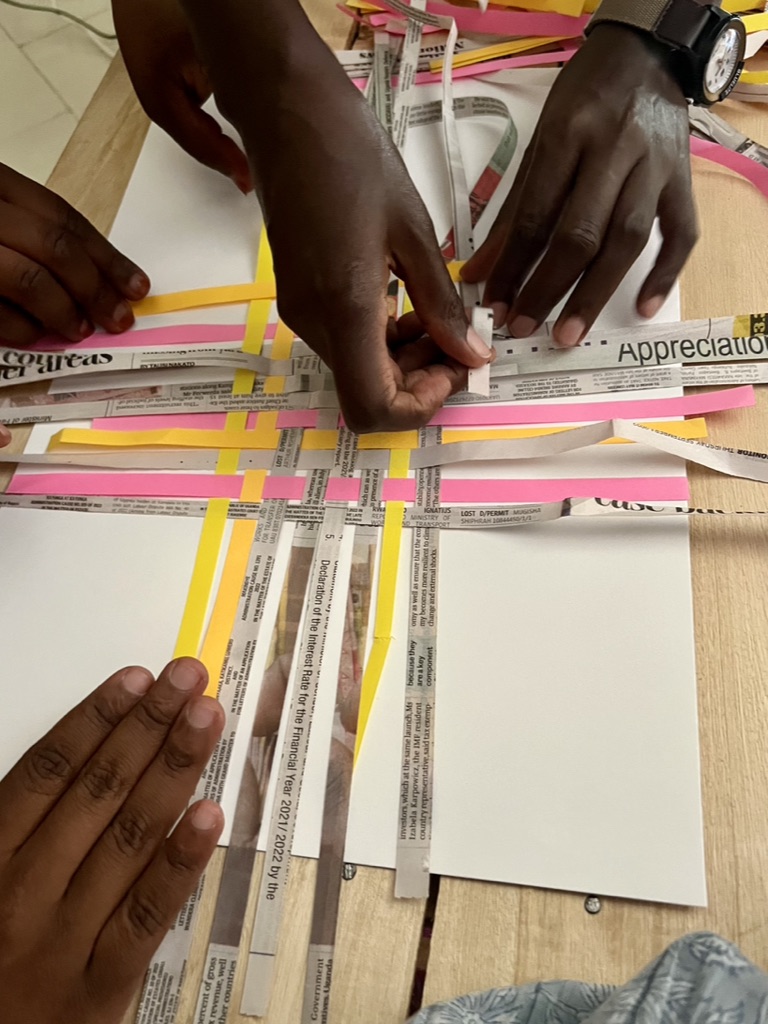
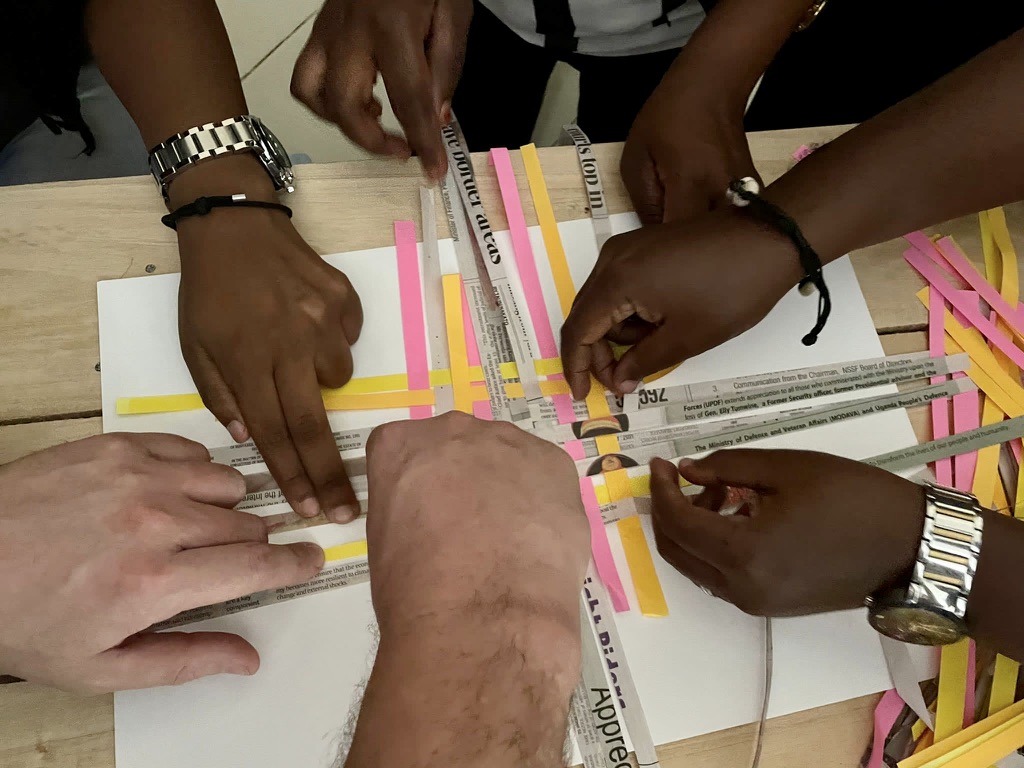
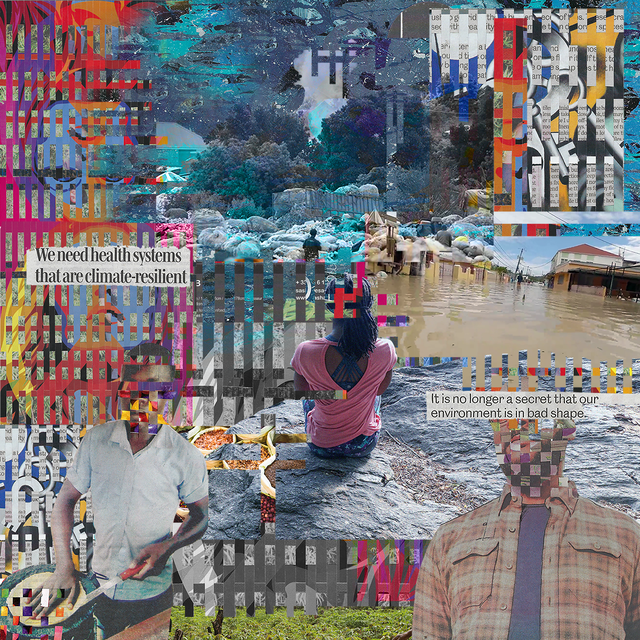

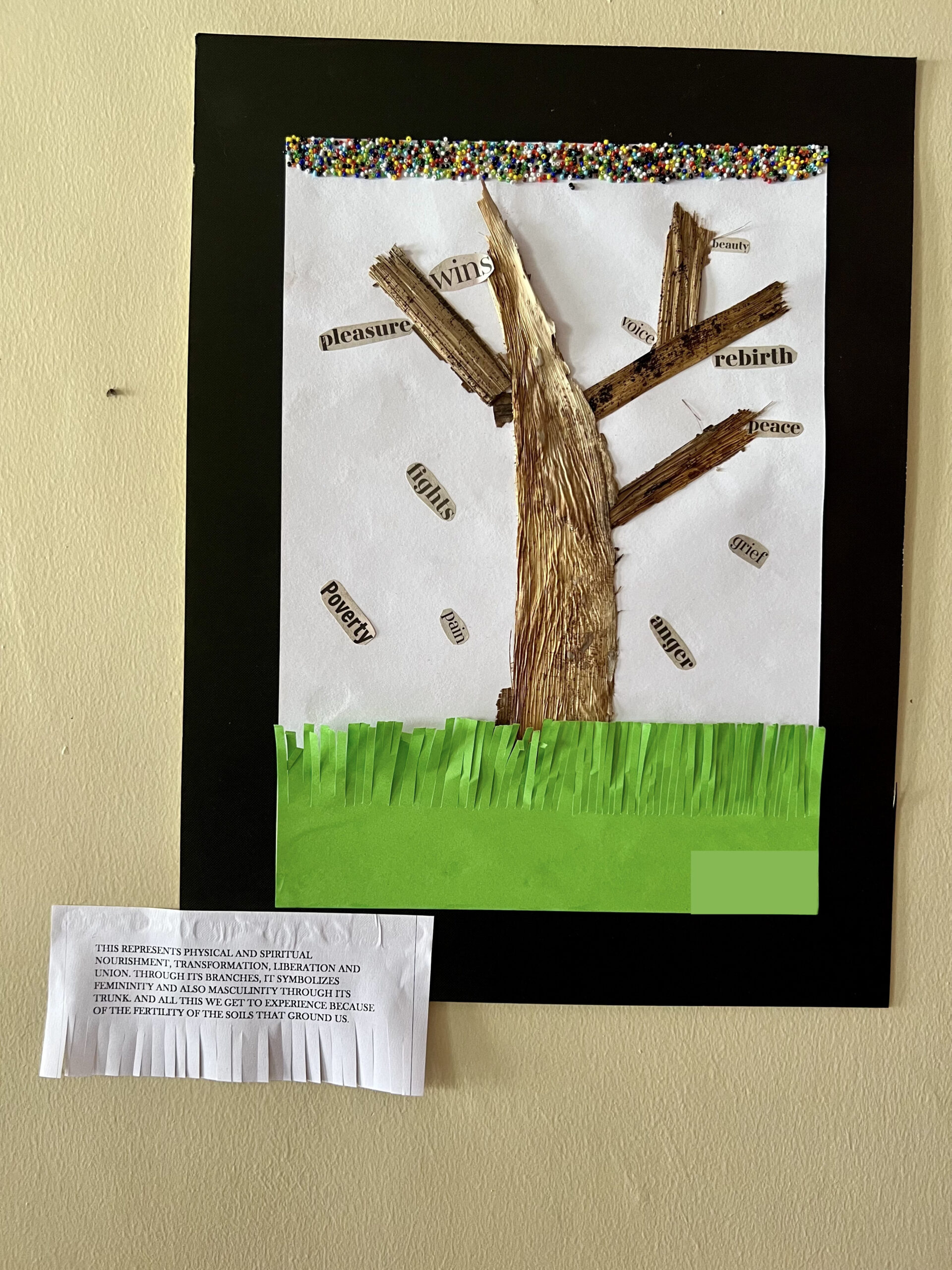

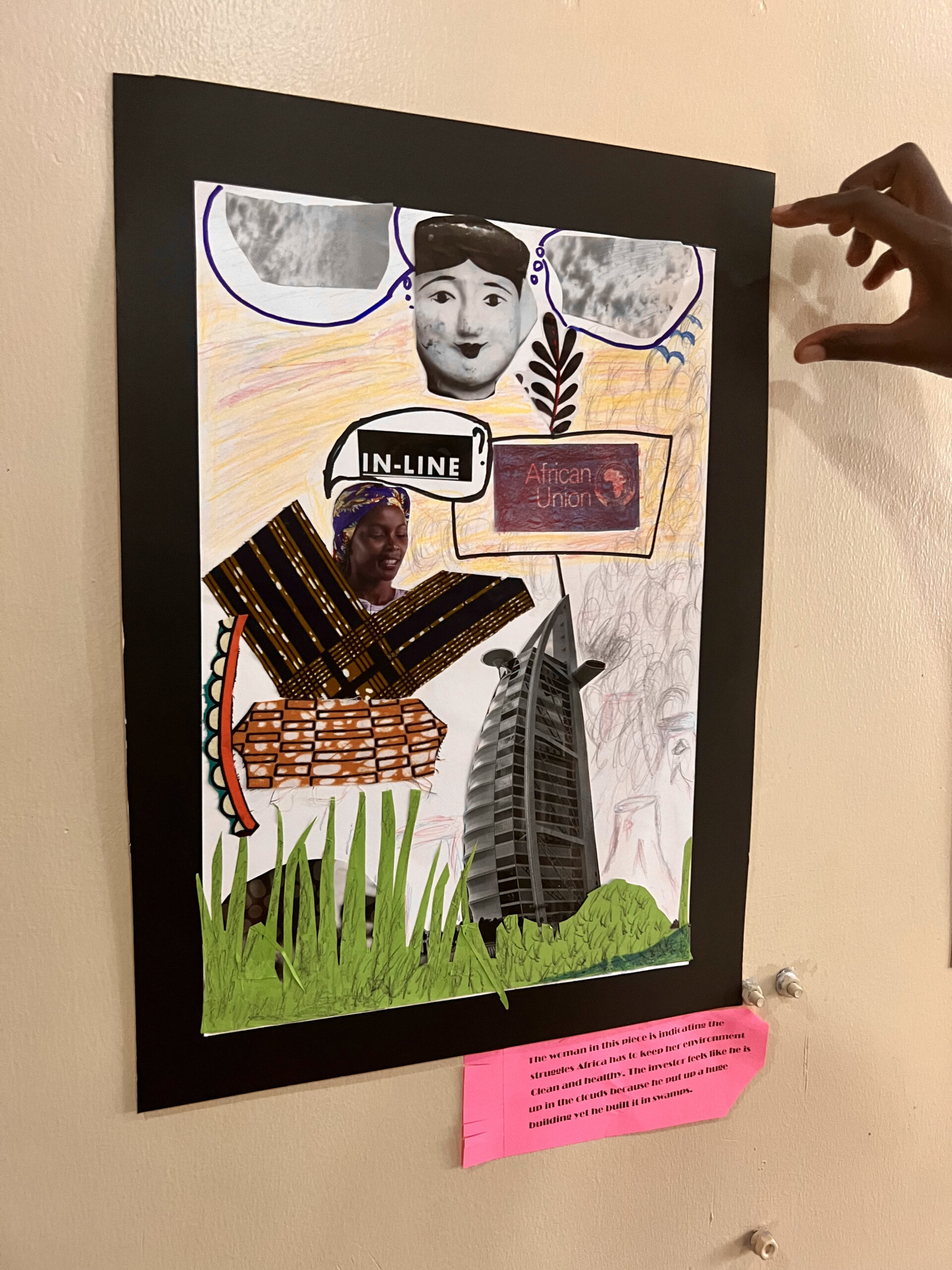

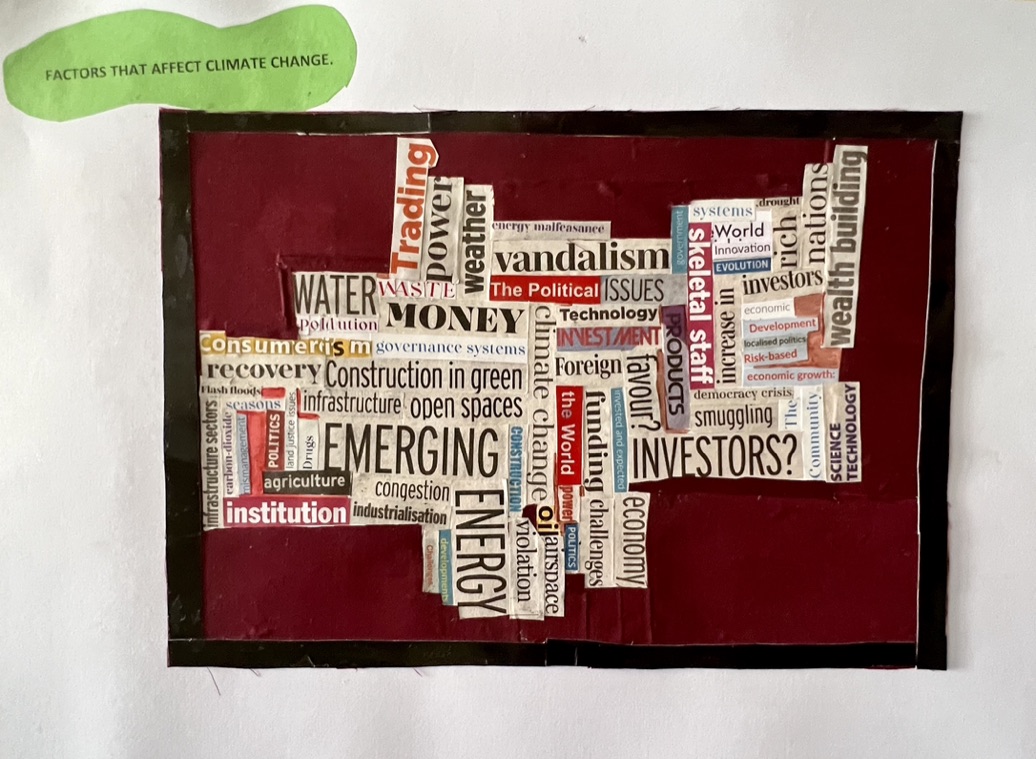
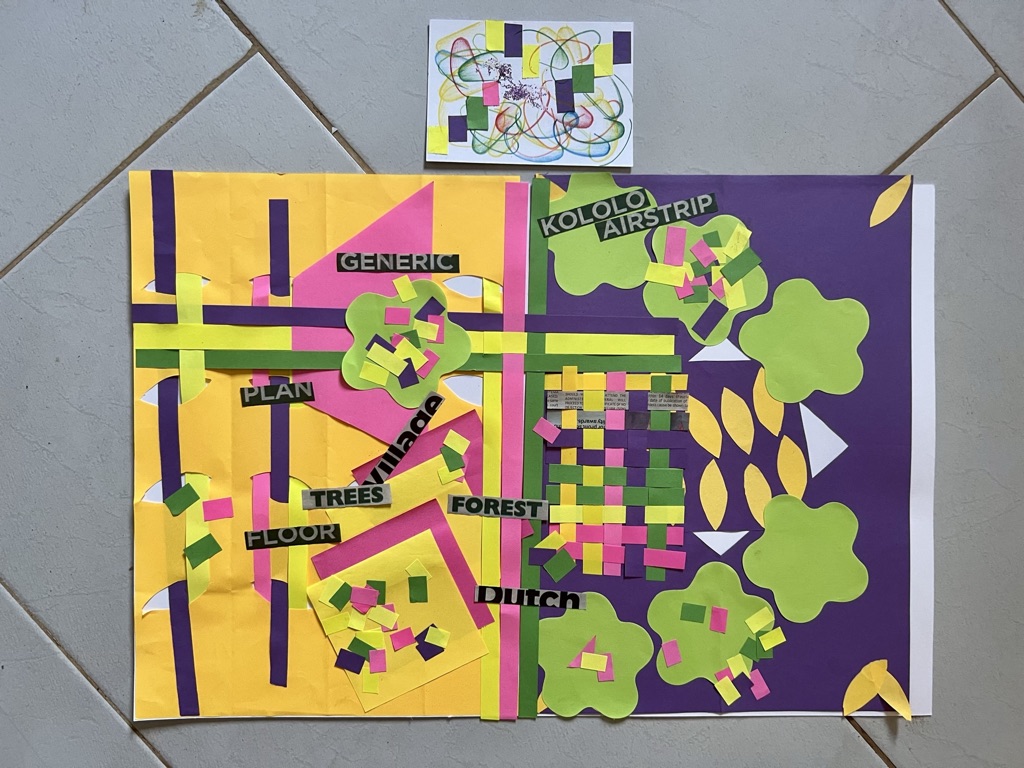

The poems and collages continue to be used as tools for advocacy, individual and collective reflection and discussion, and are exhibited in civil society organisation offices.
See Change: Visualising the Urban Climate Crisis
Climate change has crucial impacts on our life: today and in the future. It can seem like an issue which is too big or too abstract for people to respond to effectively or to consider in their everyday lives. To help respond to the growing challenges posed by climate change, GENERATE partnered with the FOTEA Foundation and Uganda Press Photo Awards on the project ‘See Change: Visualising the Urban Climate Crisis’.
During the project, emerging and established photographers took part in a Masterclass to explore new ways of visually representing climate change from different urban perspectives. By exploring how to tell better stories about the local impacts of climate change in Africa’s urban environments, we aimed to equip visual storytellers with the tools that they needed to raise awareness on these issues, help people understand the climate crisis better, and help them to advocate for change.
The Masterclass was facilitated by two experienced photographers: Georgina Goodwin and Edward Echwalu. It ran from July to August 2022 with participants in Kampala and virtually from Kenya and Nigeria. Participants included: Aídah Namusoke, Derrick Milimo, Oluwatosin Eiseke Bolaji, Wasswa James, Katumba Badru Sultan, Mildred Apenyo, Nicholas Shawn Mugarura, Sam Brian Kiseka, Timothy Namara and Vanessa Mulondo.
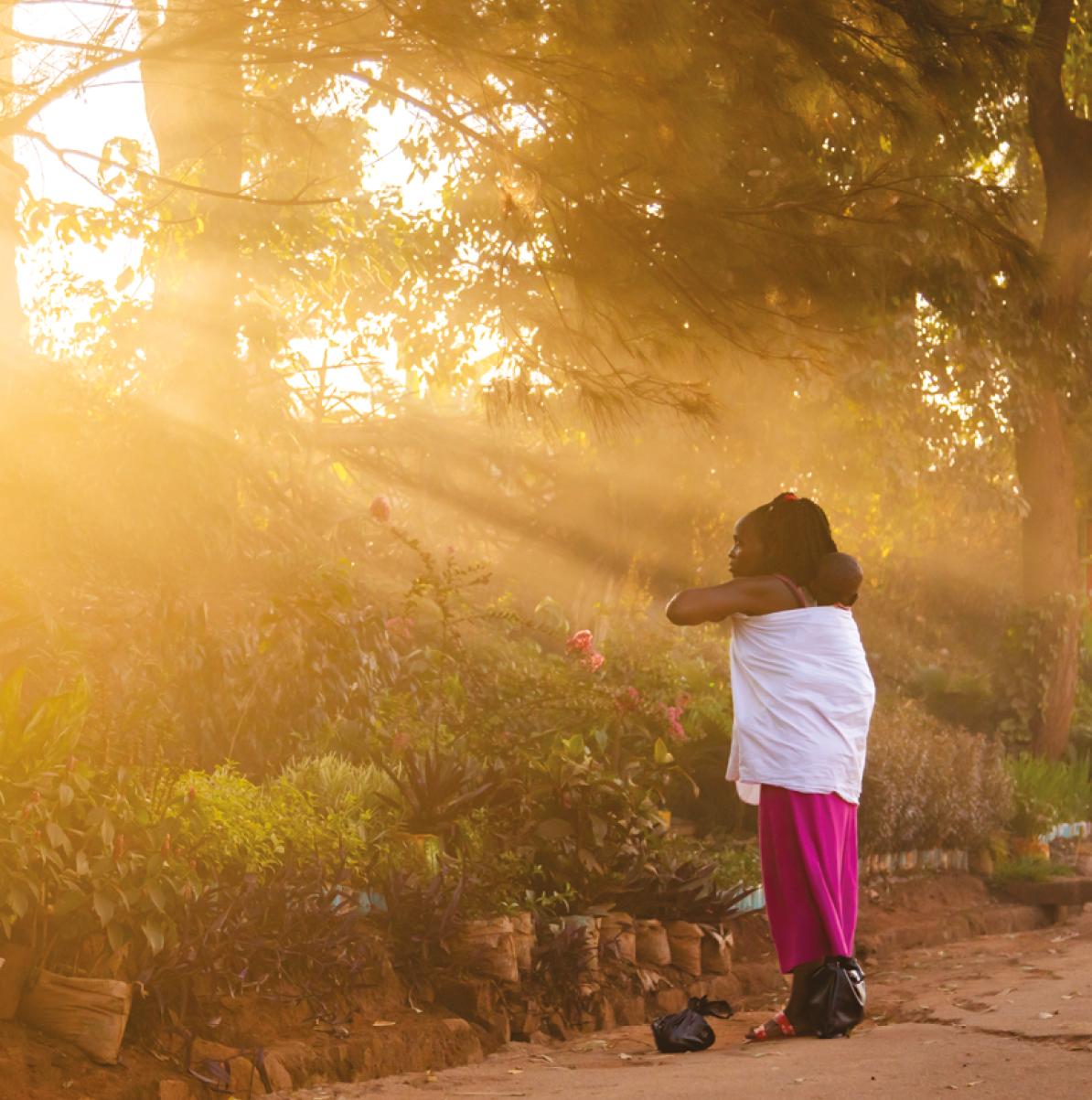
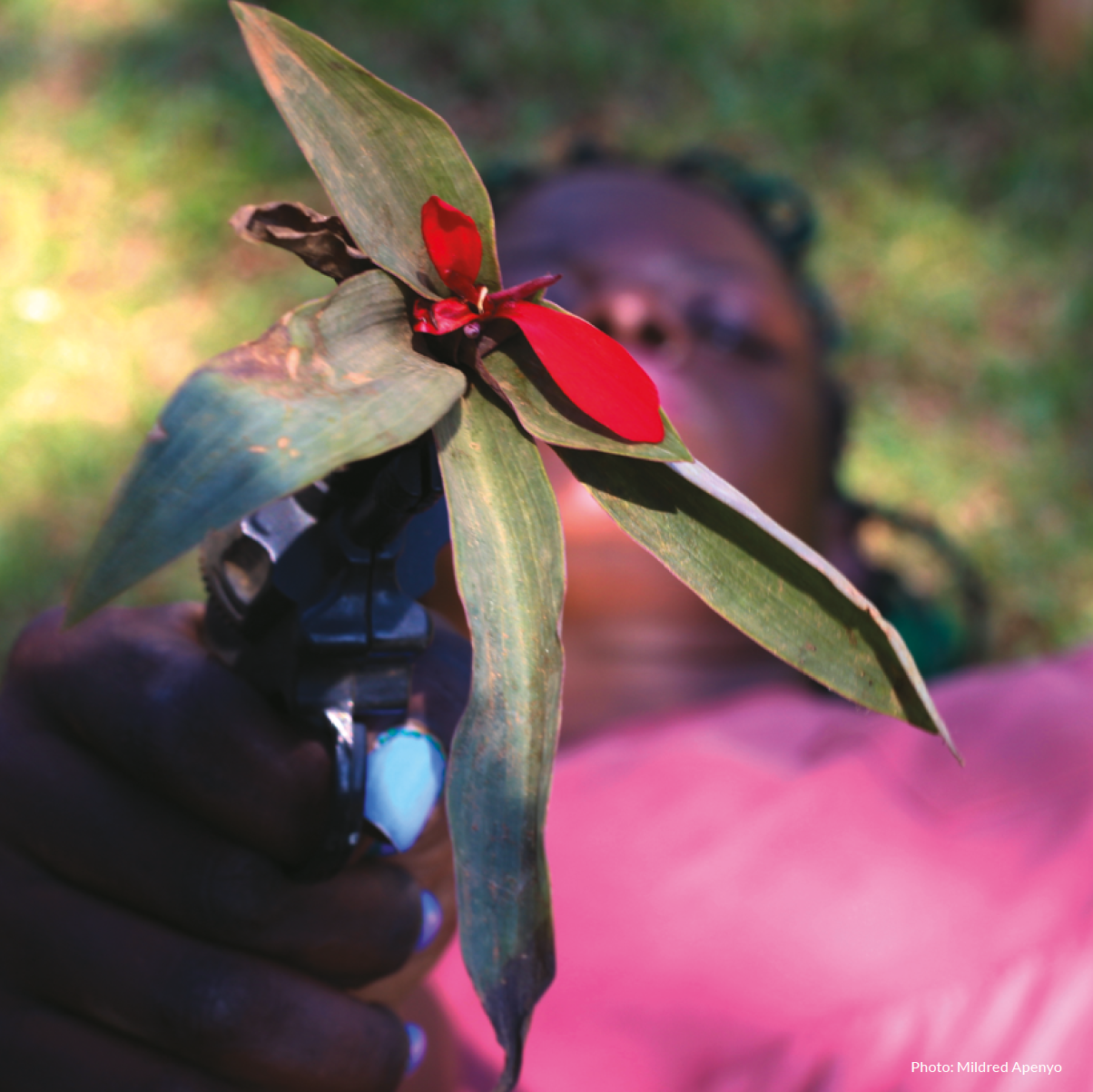
Photo stories created out of the Masterclass focused on a number of issues like health, housing, economic well-being and livelihoods. These are presented in our photobook ‘See Change: Visualising the Urban Climate Crisis’, along with articles written by leading activists on how vulnerable communities including people with diffabilities, gender and sexual diverse people, and asylum-seekers and refugees are dealing with and responding to the climate crisis. We also commissioned creative pieces from collage artist Philip Peter Kairu and poet Daphine Arinda.
The photo stories created were also presented in a month-long exhibition at the Uganda National Museum in Kampala and online for six months via Showroom.
We launched the See Change exhibition with two panel discussions, the first featuring activists from communities including people living with disability, sexual and gender diverse people, and refugees and asylum-seekers. The second panel invited responses from three policymakers from government and civil society. Both panels addressed climate-related challenges in Uganda and the need for inclusive and community-collaborative policy responses (nationally and internationally). The opening day attracted over 110 attendees.